
Packaging That Keeps Food Hot, Fresh, and Memorable
Think about the last time you bought food from a cart, a stadium stand, or a late-night window. Before you took a bite, the container told you something: whether the vendor cared, whether the food would stay warm, and whether you’d come back. That’s why smart food businesses treat Custom Food Packaging Boxes as part of the product itself, not a wrapper tossed on at the end.
Whether you run a food truck, a corner café, or a growing snack brand, the right box does three jobs at once. It protects the food, tells your story, and gives customers a reason to return. Here’s how to get all three right.
Why Packaging Matters More Than You Think
First Impressions Happen Fast
Color, typography, and finish all signal quality before anyone opens the lid. A matte, minimalist box suggests premium ingredients, while bold illustrations feel playful and approachable. Brands that tailor their Custom Food Packaging Boxes to a specific audience tend to feel more trustworthy, and trust is what turns a one-time order into a habit.
Protection and Freshness
Looks matter, but a box still has to survive the real world. Food faces steam, grease, crushing in delivery bags, and temperature swings. Well-engineered packaging keeps the contents intact and helps preserve texture and flavor, which means fewer complaints and better reviews.
Choosing the Right Materials
Paperboard, Corrugated, and Kraft
Each material has its place. Paperboard is lightweight and prints beautifully, making it ideal for bakery items, confectionery, and quick-service meals. Corrugated board adds strength for shipping and heavy delivery orders. Kraft has a natural, earthy look that suits organic and artisanal brands.
Food-Safe Coatings and Barriers
Many foods need protection from grease, moisture, or air. Food-safe coatings and liners can provide that barrier without ruining recyclability. Before you commit to a design, ask your supplier for documentation showing the materials meet FDA food-contact requirements. It’s a simple step that saves headaches later.
Design Choices That Win Attention
Good design isn’t about cramming in more graphics. It’s about making a few things unmistakable: what the product is, why it’s different, and how it fits into someone’s day.
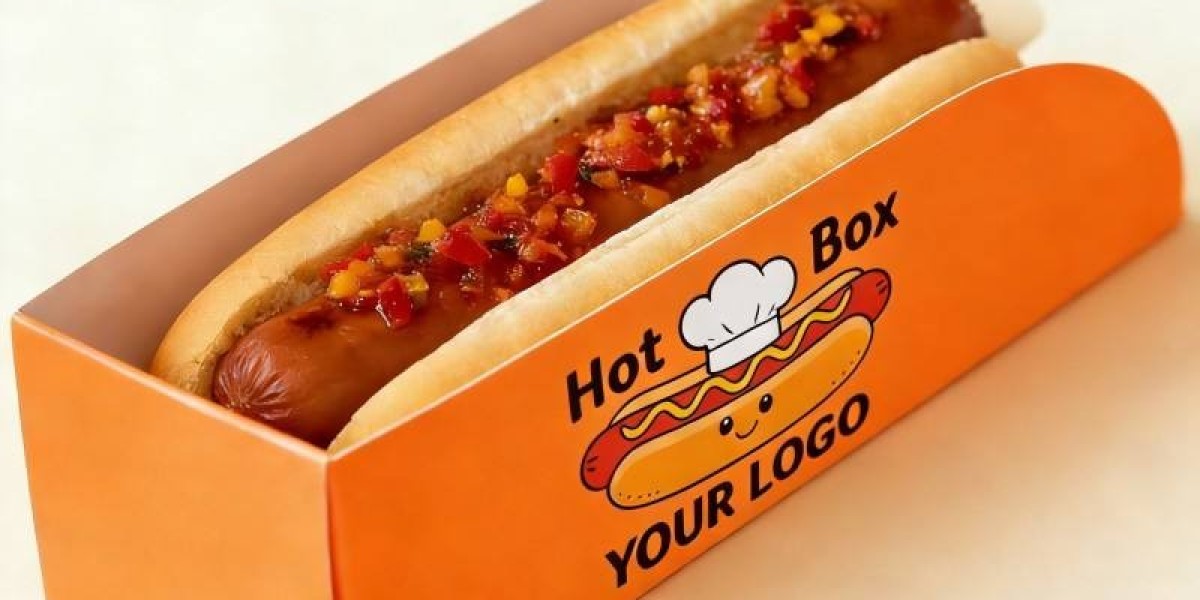
Consider the ballpark favorite. A hot dog is long, narrow, and messy, so a generic container rarely fits it well. Custom Hot Dog Boxes solve that with a snug, elongated shape that keeps the bun from sliding around, and they give you a clean surface for your logo, a menu tagline, or a fun slogan. Add a few small vent holes and the bun stays soft instead of turning soggy from trapped steam.
Practical details matter just as much as the artwork. If you’re ordering Custom Hot Dog Boxes, test them with real toppings like chili, onions, and mustard before approving production. A box that leaks or softens under a loaded dog will cost you more in lost goodwill than a plain carton ever would.
A few design habits worth adopting:
- Keep the brand name and product type readable from several feet away.
- Use one strong focal image rather than several competing ones.
- Reserve space for allergen information and reheating directions.
- Test your design next to competitors’ packaging, not in isolation.
Sustainability Is Now Part of the Brief
Customers increasingly notice how their food is packaged, and the numbers show why it matters. According to the U.S. Environmental Protection Agency, containers and packaging made up about 28 percent of municipal solid waste generated in the United States in 2018, roughly 82 million tons.
That context explains why recyclable and compostable materials have moved from a nice extra to an expectation. Choosing responsibly sourced board and water-based inks for your Custom Food Packaging Boxes shows customers you take that seriously. Just be honest in your claims. Vague green labels without specifics can backfire, while clear recycling instructions build trust.
Working With a Packaging Partner
A reliable supplier does more than print. Look for one that offers structural design help, sensible minimum quantities, and sample runs. Request a physical prototype before approving a full order so you can check fit, durability, and print quality in your hands rather than on a screen.
Lead times matter, especially around holidays and big event seasons, so build in extra weeks for proofing and shipping. For smaller brands, short-run digital printing has made Custom Food Packaging Boxes affordable without forcing you to store thousands of unused units.
Frequently Asked Questions
How much does custom food box printing cost?
It depends on size, material, print method, and order quantity. Larger runs lower the cost per unit, while short runs cost more each but reduce upfront risk. Ask for quotes at several quantities, and remember that Custom Food Packaging Boxes with special finishes or inserts cost more than simple one-color designs.
Are recyclable boxes safe for direct food contact?
Not automatically. Recyclable paperboard is often fine for dry foods, but oily or moist items may need a food-safe liner or barrier coating. Always confirm compliance with your supplier.
Can a small food stand order in low quantities?
Yes. Digital printing has made small batches practical, so a new vendor can launch Custom Hot Dog Boxes in limited runs, gather customer feedback, and refine the design before scaling up.
Final Thoughts
Great packaging is quiet salesmanship. It earns attention, keeps food fresh, and gives customers a reason to remember you. Start with your audience, pick materials that fit your menu and your values, and test everything before you print in volume. Done well, an investment in Custom Food Packaging Boxes pays you back every time a customer reaches for your food instead of the stand next door.