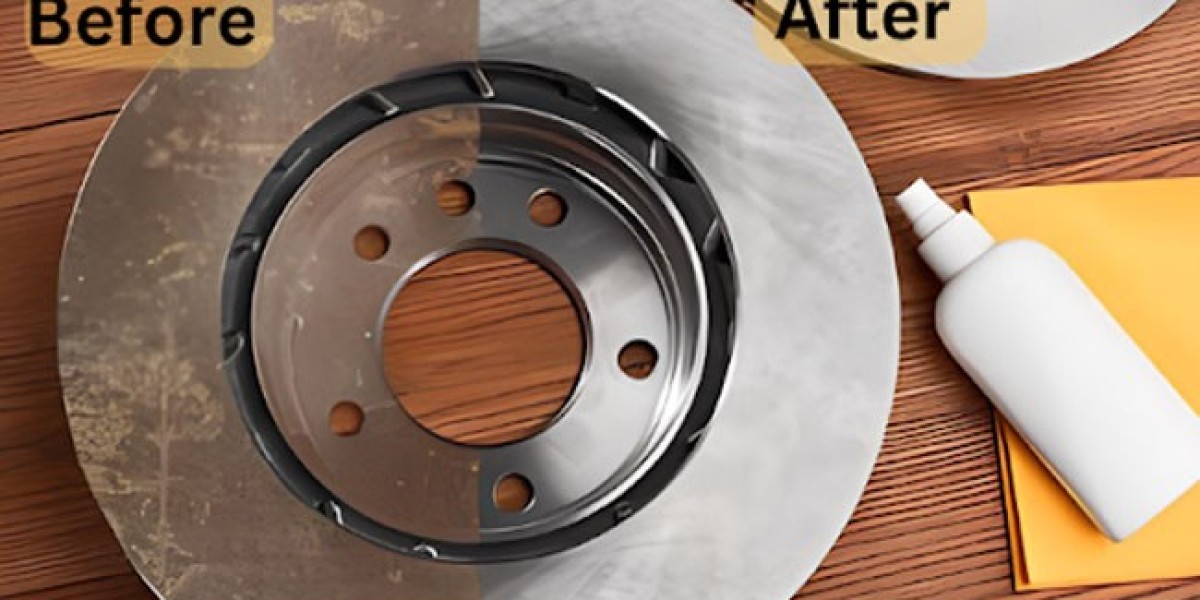

Stainless steel is widely appreciated for its durability, strength, and ability to resist corrosion. It is used in various applications, including kitchen appliances, industrial machinery, automotive parts, construction materials, and manufacturing equipment. Despite its protective properties, stainless steel can develop rust stains due to moisture, salt buildup, harsh chemicals, or contamination from iron particles.
Understanding How to Remove Rust from Stainless Steel? helps you choose suitable cleaning methods to restore the surface and minimize further corrosion. By using appropriate cleaning products and maintaining proper care, you can effectively address minor rust stains and preserve the appearance and performance of stainless steel.
What Causes Rust on Stainless Steel?
Stainless steel contains chromium, which forms a protective oxide layer that helps resist corrosion. When this protective layer is compromised or the surface becomes contaminated, rust stains may develop.
Common causes include prolonged moisture exposure, contact with salt or chloride-containing substances, contamination from ordinary steel tools, and the use of unsuitable cleaning chemicals. Identifying the cause can help determine the best cleaning method.
5 Ways to Remove Rust from Stainless Steel
1. Clean Light Rust with Baking Soda
Baking soda can help remove minor rust stains without the harsh abrasion associated with some scouring products. Mix baking soda with a little water to create a paste. Apply it to the affected area and gently rub with a soft cloth. Rinse thoroughly and dry the surface.
Avoid excessive pressure to protect the stainless steel finish.
2. Use White Vinegar Carefully
White vinegar may help loosen light rust deposits because it contains acetic acid. Dampen a soft cloth with vinegar and gently wipe the stained area. Rinse the surface promptly with clean water and dry it completely.
Do not leave acidic solutions on stainless steel for extended periods, and never mix vinegar with bleach or other cleaning chemicals.
3. Choose a Stainless Steel Cleaner
A cleaner specifically designed for stainless steel can help remove surface stains and accumulated contaminants. Select a product compatible with the metal grade and finish, then follow the manufacturer's directions.
For industrial equipment, check chemical compatibility before applying any cleaner to the entire component.
4. Try a Non-Abrasive Sponge
A soft sponge or nylon cleaning pad can help remove loose rust deposits without unnecessarily scratching the metal. Gently clean the affected area in the direction of the surface grain, using a compatible cleaning solution when needed.
Avoid steel wool and ordinary iron-based wire brushes because they can scratch the surface or introduce particles that may lead to additional rust stains.
5. Consider Specialized Rust Removal Products
Persistent rust stains on industrial components may require a specialized rust removal solution. The appropriate treatment depends on the stainless steel grade, the severity of corrosion, and the surrounding operating conditions.
Zavenir Daubert specializes in corrosion protection and metalworking solutions. For demanding industrial applications, consult a qualified professional to identify a suitable cleaning and corrosion-control approach. Always follow product safety instructions and test compatibility before use.
How to Prevent Rust on Stainless Steel
Removing existing rust is only part of effective metal maintenance. The following practices can help reduce the likelihood of rust returning:
- Keep surfaces dry: Remove standing water and moisture after cleaning.
- Clean regularly: Remove dirt, salt deposits, and chemical residues before they accumulate.
- Use appropriate tools: Choose soft cloths and non-abrasive cleaning materials.
- Avoid unsuitable chemicals: Do not use chloride-rich cleaners or bleach unless specifically approved for the application.
- Inspect metal components: Check regularly for rust spots, discoloration, and surface damage.
- Apply suitable corrosion protection: For industrial components, select protective products appropriate for the metal and its operating environment.
These preventive measures can help maintain stainless steel surfaces and support longer service life.
Common Mistakes to Avoid
Using aggressive cleaning materials can damage stainless steel and make future maintenance more difficult. Avoid harsh scrubbing, prolonged exposure to acidic cleaners, and cleaning products that are incompatible with the metal surface.
Do not ignore deep rust spots, pitting, or recurring corrosion. These signs may indicate damage that requires professional inspection rather than routine household cleaning.
Conclusion
Rust stains on stainless steel can often be addressed with suitable cleaning methods, including baking soda paste, careful vinegar application, stainless steel cleaners, and non-abrasive cleaning pads. More persistent corrosion may require specialized treatment and professional assessment.
Zavenir Daubert recognizes the importance of effective metal care and corrosion prevention in industrial environments. By choosing appropriate cleaning methods, maintaining dry surfaces, and following preventive practices, businesses and individuals can help preserve stainless steel quality and performance over time.