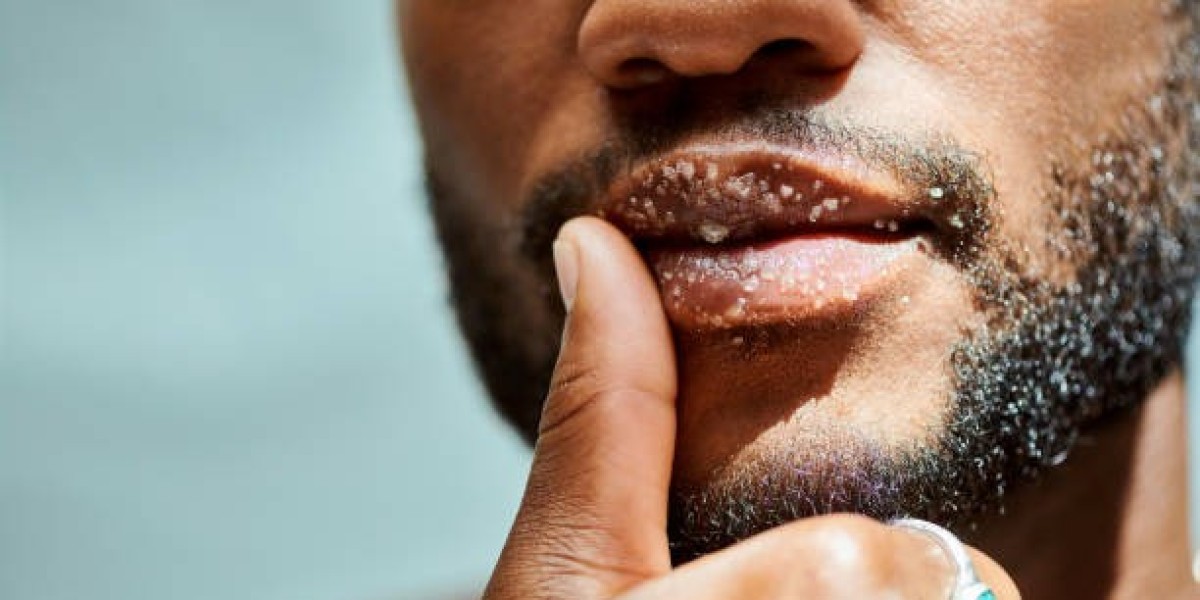

Dark or pigmented lips are a common concern that can develop due to sun exposure, smoking, genetics, hormonal changes, irritation, or certain medications. Although natural lip color varies from person to person, noticeable discoloration may lead some individuals to explore cosmetic treatments. Smoker’s Lips Treatment in Riyadh may be considered by people who want to address lip discoloration associated with smoking, fine lines, or changes in the surrounding skin. The most suitable approach depends on the cause of pigmentation, skin sensitivity, and the condition of the lips.
Before choosing a treatment, it is important to understand that lip pigmentation does not always indicate a problem. Some people naturally have darker lips, while others develop changes gradually over time. Identifying the underlying cause can help determine whether skincare, lifestyle changes, or professional treatment may be appropriate.
What Causes Dark and Pigmented Lips?
Sun Exposure
Ultraviolet radiation can stimulate melanin production and contribute to darker pigmentation on the lips. Because lip skin is delicate, regular sun exposure without protection may gradually affect its color and texture.
Smoking and Tobacco Use
Smoking can contribute to changes in lip appearance through repeated lip movements, exposure to tobacco-related chemicals, and irritation. Some people may notice darker lip color alongside vertical lines around the mouth. Quitting smoking can help reduce continued exposure, although existing pigmentation may not disappear completely.
Genetics and Natural Pigmentation
Natural lip color is influenced by genetics and melanin production. People with naturally darker lips do not necessarily need treatment. Cosmetic procedures should focus on individual concerns rather than attempting to change normal skin characteristics to meet an unrealistic standard.
Irritation and Allergic Reactions
Lip products, fragrances, flavorings, cosmetics, and certain dental products can trigger irritation or allergic reactions in susceptible individuals. Repeated inflammation may lead to post-inflammatory hyperpigmentation. Identifying and avoiding the trigger is often an important first step.
Hormonal Changes and Medical Factors
Hormonal changes, certain medications, and some medical conditions can contribute to pigmentation changes. Sudden, persistent, or unexplained discoloration should be evaluated by a healthcare professional before cosmetic treatment is considered.
Best Treatment Options for Dark and Pigmented Lips
Lip Balm and Daily Sun Protection
A simple lip-care routine is often a good starting point. Use a moisturizing lip balm to reduce dryness and protect the lip barrier. Choose a broad-spectrum lip product with SPF 30 or higher, and reapply according to the product instructions, especially after eating, drinking, or spending time outdoors.
Sun protection may help prevent further darkening, although it does not remove all existing pigmentation. Consistent use is particularly important for people whose lip discoloration is aggravated by sunlight.
Gentle Skincare and Irritant Avoidance
Avoid lip products that cause burning, itching, peeling, or persistent dryness. Fragrances, menthol, camphor, and strong exfoliating ingredients can irritate sensitive lips. Picking, scrubbing, or using harsh home remedies may worsen inflammation and lead to more discoloration.
If pigmentation developed after introducing a new product, discontinue the suspected irritant and seek professional advice if symptoms persist. Gentle care can help the skin recover and reduce the likelihood of repeated inflammation.
Professional Laser Treatments
Certain laser treatments may be considered for selected pigmentation concerns, but their suitability depends on the cause of discoloration, skin tone, and the device used. A qualified dermatologist should assess the lips and explain the potential benefits and risks before treatment.
Possible complications include burns, irritation, scarring, and temporary or persistent changes in pigmentation. People with darker skin tones may be more susceptible to post-inflammatory pigment changes after some procedures, so careful treatment selection is essential.
Medical Assessment for Persistent Pigmentation
If darkening is associated with inflammation, an allergic reaction, or an underlying medical condition, treating the cause may be more appropriate than pursuing a cosmetic procedure. A clinician can determine whether further examination, medication review, or targeted treatment is needed.
Avoid using unregulated lip-lightening creams or products containing potentially harmful ingredients. Strong bleaching agents and inappropriate use of prescription products can damage the delicate lip area.
Treatments for Smoking-Related Lip Concerns
People who smoke may experience both pigmentation and vertical lines around the mouth. These are separate concerns and may require different approaches. Smoker’s Lips Treatment in Riyadh can involve an assessment of the lip color, surrounding skin texture, and fine lines to determine which options may be suitable.
A provider may discuss skincare, sun protection, or selected professional procedures based on the individual's needs. Quitting smoking remains an important step in reducing continued tobacco exposure and supporting overall health.
Can Dark Lips Become Naturally Lighter?
The outcome depends on the reason for pigmentation. When discoloration is caused by irritation, avoiding the trigger and allowing the skin to heal may gradually improve the appearance. Sun-related pigmentation may respond to consistent protection and, in selected cases, professional care.
However, naturally darker lip color may not change significantly with treatment, and no procedure can guarantee a particular shade. The goal should be healthy lips and a realistic improvement in concerns that can be safely addressed.
How to Care for Lips Before and After Treatment
Appropriate lip care can support comfort and help reduce irritation. Follow these practical steps:
Use a gentle, fragrance-free lip moisturizer that suits your skin.
Apply lip balm with SPF 30 or higher during the day.
Avoid smoking and other sources of repeated irritation.
Do not scrub, peel, or pick the lips.
Avoid unverified lightening products and harsh home remedies.
Follow professional aftercare instructions if you undergo a cosmetic procedure.
If the lips become swollen, painful, cracked, or persistently inflamed, seek medical advice rather than continuing with products that may worsen the symptoms.
Who Should Consider Professional Treatment?
People with persistent pigmentation, smoking-related discoloration, or changes in lip texture may benefit from an assessment by a qualified dermatologist or medical aesthetic professional. A consultation is especially important if the discoloration is new, uneven, rapidly changing, or accompanied by a sore that does not heal.
The provider should review your medical history, current products, skin tone, and treatment expectations. Before proceeding with Smoker’s Lips Treatment in Riyadh, ask about the likely results, recovery period, possible side effects, and alternatives. This helps ensure that treatment decisions are based on the cause of the pigmentation rather than appearance alone.
Book a Consultation at Royal Clinic Saudia
If you are concerned about dark or pigmented lips, a professional assessment can help identify possible causes and suitable care options. Contact Royal Clinic Saudia to discuss Smoker’s Lips Treatment in Riyadh, explore appropriate approaches for pigmentation and lip appearance, and receive recommendations tailored to your skin concerns.