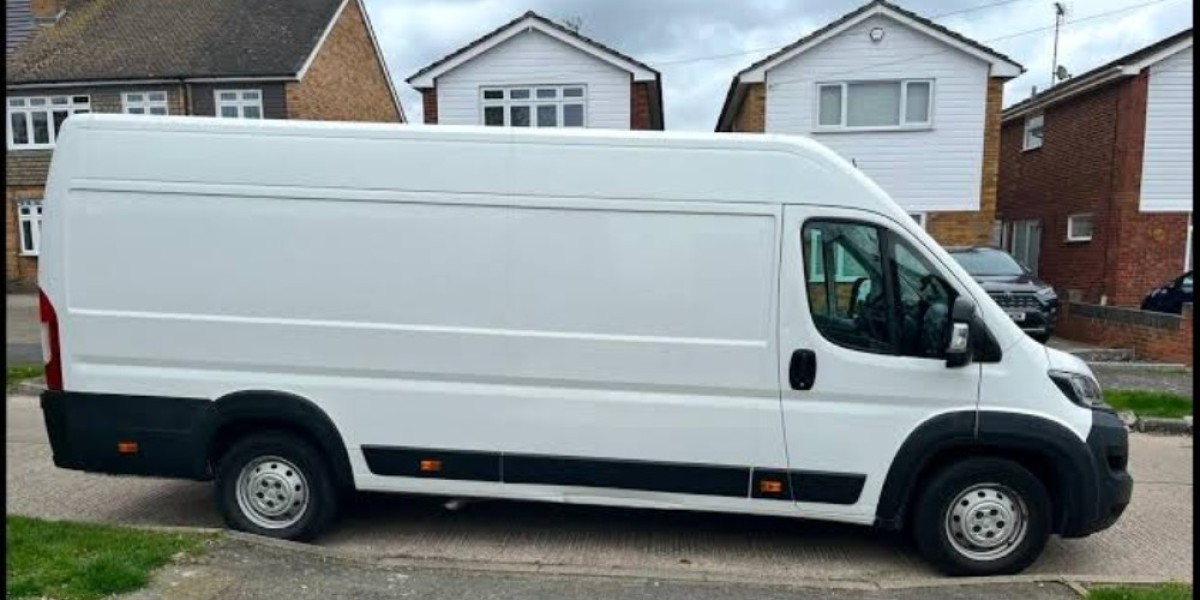

Planning a long-distance house move involves more than packing boxes and arranging transport. When moving from Peterborough to another town, city or region, you need to organise your belongings, confirm travel arrangements, prepare both properties and make sure everything is ready for the journey. Starting early gives you more time to deal with unexpected changes and reduces the pressure as moving day approaches.
A clear plan also helps you keep track of important tasks, from booking a suitable removals service to updating your address and preparing for your first night in your new home. By dividing the move into manageable stages, you can stay organised, protect your belongings and make the transition to your new property smoother.
Create a Moving Timeline and Confirm Your Date
Begin by establishing your likely moving date and working backwards to decide when each task needs to be completed. If you are buying a property, coordinate with your solicitor or conveyancer before committing to arrangements that may be difficult to change. Renters should check their tenancy agreements, notice periods and key handover times. A written timeline helps you prioritise tasks and prevents important arrangements from being left until the final few days.
Divide your checklist into weekly stages and assign deadlines to tasks such as sorting belongings, gathering packing materials, notifying service providers and confirming transport. Keep contact details for your estate agent, landlord, solicitor and removals provider in one place. If your completion date or access arrangements change, update your checklist immediately and inform everyone affected. This simple system makes it easier to adapt without losing track of essential details.
Choose a Suitable Removals Service
Long-distance moves require careful coordination because your belongings may spend several hours travelling before reaching their destination. When comparing removal providers, explain the size of your property, the number of belongings you intend to move, the destination and any access restrictions at either address. Ask what the service includes, whether packing assistance is available, how delivery timings are arranged and what protection applies to your possessions during transport.
Request written quotations and compare the services offered rather than making a decision based on one factor alone. Check the company's experience with longer journeys, its terms and conditions, arrangements for delays, and the process for reporting damage. Make sure any insurance or liability cover is clearly explained, including applicable limits and exclusions. Confirm your booking in writing, with the agreed date, collection details, destination address and any special handling requirements.
Declutter and Prepare an Inventory
Moving home provides an opportunity to review everything you own before it is packed. Work through each room, including lofts, garages, cupboards and outdoor storage areas. Separate belongings into items to keep, donate, sell, recycle or dispose of responsibly. Reducing the number of unnecessary possessions can simplify packing and make loading and unloading more manageable, particularly when travelling a considerable distance.
Create an inventory of the items you plan to move, paying particular attention to valuable furniture, electrical equipment, antiques and fragile belongings. Record any existing damage and take photographs of important items before packing them. Label boxes with their contents and destination room so they can be placed correctly at your new property. If you need to transport anything unusually large or delicate, tell your removals provider early so suitable handling arrangements can be made.
Pack Carefully for a Long Journey
Packing for a long-distance move requires sturdy materials and a consistent system. Use strong boxes suited to their contents, cushioning for fragile objects and protective covers for furniture. Place heavier items in smaller boxes to make them easier to lift, while lighter belongings can go into larger cartons. Fill empty spaces with suitable packing material to limit movement, and avoid overfilling boxes or leaving them too heavy to carry safely.
Pack room by room and label each box on more than one side, making the destination room easy to identify when unloading. Keep screws and fittings from dismantled furniture in labelled bags, and wrap glassware and other breakables individually. Prepare a separate bag for important documents, keys, medication, chargers, toiletries and a change of clothes. Keep these essentials with you rather than burying them among boxes that may not be unpacked immediately.
Organise Transport, Access and Travel Arrangements
A long-distance move can become complicated if the vehicle cannot park close to the property or if access is restricted at either end. Check the collection and delivery addresses, parking availability, narrow roads, stairs, lifts and any building access rules. If permits or reserved loading spaces are necessary, arrange them in advance. Measure large furniture and doorways at the new property to check that bulky items can be brought inside without difficulty.
Plan the journey with your removals provider, including the expected collection window, estimated arrival arrangements and the best way to communicate if circumstances change. Allow flexibility for traffic, weather and delays rather than assuming the journey will run exactly to schedule. If you are travelling separately, plan your own route and keep your phone charged. Make sure someone can provide access to the destination property if you will not arrive before the moving team.
Update Your Address and Prepare Both Properties
Several administrative tasks need attention before you leave Peterborough. Notify your bank, insurer, employer, relevant healthcare providers and other organisations that need your current address. Arrange mail redirection if required, and contact utility providers about final readings and the arrangements for your new home. Check broadband availability and installation dates so that you understand when internet access will be ready. Keep confirmation emails and reference numbers together for easy access.
Prepare your old property for handover by clearing cupboards, checking storage spaces and completing any agreed cleaning or maintenance. At the new address, confirm that keys will be available and identify where essential items should be placed. If possible, arrange for the property to be clean before furniture arrives. Photograph meter readings at both homes, and keep a record of the condition of the properties where relevant. Completing these jobs beforehand leaves you with fewer distractions on moving day.
Coordinate the Move with Your Removals Team
A few days before departure, contact your chosen provider to reconfirm the date, collection time, destination address and access arrangements. Tell the team about any changes to your inventory, items requiring special care or furniture that needs dismantling. If you are working with a removal company peterborough, provide accurate information about the distance, the volume of belongings and any delivery restrictions so the arrangements reflect the needs of your move.
On moving day, keep your inventory and essential documents accessible, show the team which items need special handling and make a final check of every room, cupboard and storage area before leaving. At the destination, direct boxes to their labelled rooms and check that the main items have arrived. Note any concerns promptly and follow the agreed procedure for reporting them. Once the essentials are in place, you can begin unpacking in order of priority instead of trying to organise everything at once.
Conclusion
A long-distance move from Peterborough becomes easier to manage when you start early, organise your belongings and confirm important arrangements in writing. A realistic timeline, a reliable removals service, a detailed inventory and careful packing all help reduce avoidable problems. Paying attention to access, travel arrangements and administrative tasks also makes it easier to coordinate the collection and delivery of your possessions.
Focus first on the tasks that depend on other people, such as confirming your moving date, booking transport and arranging property access. Then work through packing, address updates and final checks using your timeline. Keep essential items separate, maintain clear communication with your removals team and allow some flexibility for unexpected delays. With these preparations in place, you can approach moving day with greater confidence and settle into your new home more comfortably.






