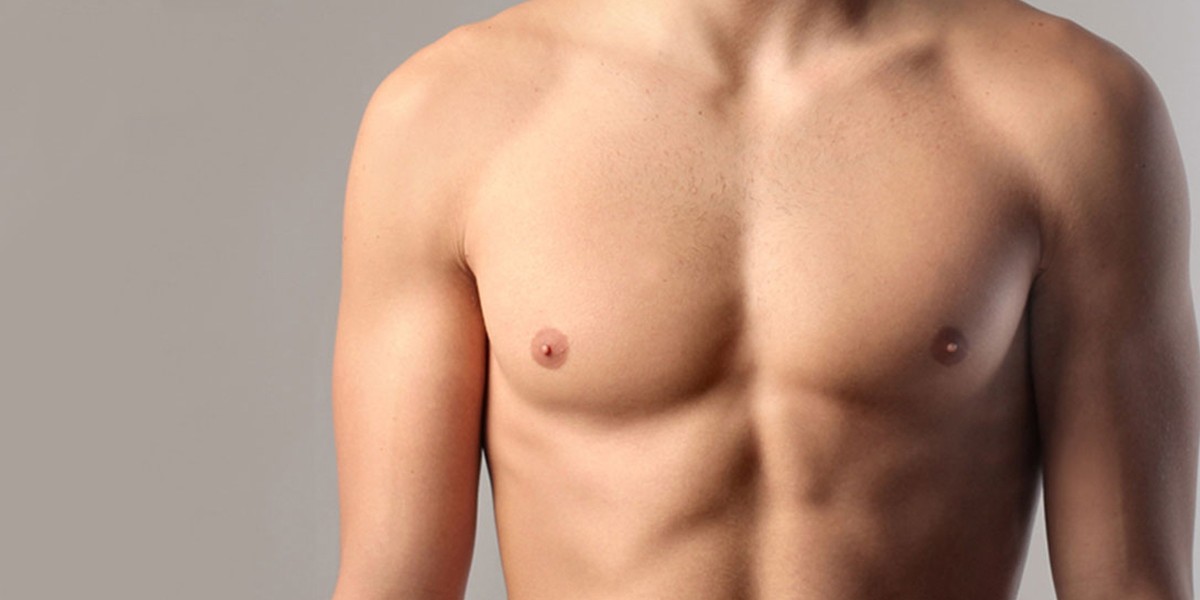

Cosmetic procedures that use the body's natural resources have become increasingly popular among people seeking subtle, natural-looking enhancements. Fat Transfer Surgery in Riyadh is one such option, offering a way to restore lost volume, refine body contours, and enhance selected facial or body features using fat taken from another area of the same person's body. This procedure, also known as fat grafting or autologous fat transfer, combines fat removal with the careful placement of purified fat into targeted areas.
In Saudi Arabia, interest in fat transfer treatments reflects a growing preference for personalized aesthetic procedures that complement individual proportions. Understanding the available techniques, treatment areas, potential benefits, limitations, and recovery requirements can help individuals make informed decisions. Although fat transfer can provide meaningful aesthetic improvements, the suitability and expected results vary according to anatomy, health, available donor fat, and the surgeon's assessment.
What Is Fat Transfer Surgery?
Fat transfer surgery is an aesthetic procedure in which fat is collected from one part of the body, processed to separate suitable fat cells, and injected into another area to improve volume or contour. Common donor areas include the abdomen, thighs, flanks, and hips, depending on the individual's body composition and treatment plan.
Unlike procedures that rely on synthetic fillers or implants, fat transfer uses tissue obtained from the patient's own body. However, this does not mean that the procedure is risk-free or that all transferred fat will survive permanently. Some of the injected fat is naturally reabsorbed during healing, and results can vary considerably.
How Does Fat Transfer Work?
The procedure generally involves three main stages:
Fat harvesting: Fat is removed from a selected donor area using liposuction.
Fat processing: The collected material is processed to separate usable fat from excess fluid and other unwanted components.
Fat injection: The prepared fat is carefully placed into the intended treatment area using specialized instruments.
The surgeon determines the harvesting and injection techniques according to the treatment area, desired improvement, and individual anatomy. Careful planning is essential for balanced contours and appropriate fat distribution.
Popular Fat Transfer Techniques in Riyadh
Different fat transfer techniques address different aesthetic concerns. The appropriate approach depends on whether the primary goal is facial rejuvenation, breast enhancement, or improved body contours.
Facial Fat Transfer
Facial fat transfer is designed to restore volume in areas that appear hollow or have lost fullness with age. Fat may be transferred to the cheeks, temples, under-eye region, or selected facial contours when clinically appropriate.
The procedure can soften the appearance of volume loss and create a more refreshed look without changing the person's fundamental facial characteristics. Results depend on the quality of the donor fat, injection technique, and how the transferred cells establish a blood supply.
Breast Fat Transfer
Breast fat transfer uses harvested fat to increase breast fullness or improve selected contour irregularities. It may be considered by individuals seeking a modest enhancement rather than a substantial increase in breast size.
The amount of volume that can be achieved is limited by the available donor fat, breast anatomy, and the amount of tissue that can safely accommodate the transfer. Multiple sessions may sometimes be considered to achieve the desired improvement. Patients should also understand that fat transfer can produce changes in breast imaging, making it important to inform healthcare professionals about the procedure.
Buttock and Body Contouring
Fat grafting can also be used to improve the shape of the buttocks, hips, or other selected body areas. The fat is harvested from donor regions and transferred to areas where additional volume may improve overall proportions.
Buttock fat grafting requires particular attention to safety because the procedure can cause serious complications if fat enters the bloodstream. Patients considering buttock enhancement should seek a qualified specialist who follows established safety standards, including appropriate fat placement techniques and intraoperative guidance where indicated.
Correcting Contour Irregularities
Fat transfer may help improve certain contour irregularities caused by previous surgery, injury, or uneven soft-tissue volume. The suitability of treatment depends on the cause and severity of the irregularity, the condition of the surrounding tissues, and the amount of available donor fat.
A detailed assessment helps determine whether fat grafting alone is appropriate or whether another treatment approach may be more suitable.
Benefits of Fat Transfer Surgery in Saudi Arabia
Fat transfer surgery can offer several potential advantages when performed for appropriate candidates. Its main appeal is the use of the patient's own tissue to address volume loss or enhance body proportions.
Natural-Looking Enhancement
Because fat can be distributed in small amounts across carefully selected areas, surgeons may be able to create gradual, natural-looking improvements. The aim is to complement existing features rather than produce an exaggerated appearance.
Improvement in Two Body Areas
Fat transfer combines fat removal from a donor area with volume enhancement in a recipient area. For example, harvesting fat from the abdomen or thighs may help refine those contours while providing material for facial or body enhancement.
The extent of improvement in the donor area depends on the amount of fat removed and the individual's anatomy. Fat transfer should not be considered a weight-loss procedure or a substitute for maintaining a stable weight.
Use of the Patient's Own Tissue
Using the patient's own fat avoids the need to introduce a separate synthetic filler into the treated area. Nevertheless, fat grafting still involves surgical risks, including infection, bleeding, uneven contours, fat necrosis, and unpredictable volume retention.
Personalized Treatment Planning
Fat transfer can be adapted to different treatment goals. A carefully designed plan considers facial proportions, body shape, skin condition, medical history, and realistic expectations.
Who Is a Suitable Candidate for Fat Transfer Surgery?
The best candidates are generally adults in good overall health who want to address localized volume loss or enhance specific features. They should have sufficient donor fat, realistic expectations, and an understanding that some transferred fat may not survive.
A consultation with a qualified plastic surgeon is important to assess suitability. Factors that may influence candidacy include:
Overall health and medical history.
Smoking or nicotine use, which can impair healing.
Availability of suitable donor fat.
Skin quality and the condition of the treatment area.
Previous cosmetic procedures or relevant medical conditions.
Ability to follow postoperative instructions and attend follow-up appointments.
Individuals with certain health conditions or insufficient donor fat may require an alternative treatment plan. The final decision should be based on an individualized medical assessment rather than online information alone.
Preparing for Fat Transfer Surgery
Preparation helps patients understand the procedure, reduce avoidable risks, and plan for recovery. Before surgery, the surgeon should review medical history, current medications, allergies, previous procedures, and aesthetic goals.
Medical Assessment and Planning
The consultation may include a physical examination, photographs, discussion of donor and recipient areas, and an explanation of expected outcomes. Patients should ask about the surgeon's qualifications, surgical setting, anesthesia, complication management, and follow-up arrangements.
Before the Procedure
Preoperative instructions vary according to the procedure and medical circumstances. Patients may be advised to stop smoking, adjust certain medications under medical supervision, arrange transportation, and prepare a comfortable recovery space.
Medications should never be stopped without guidance from the treating clinician. Following the surgical team's instructions is essential for safe preparation.
Recovery and Aftercare Following Fat Transfer
Recovery varies depending on the amount of fat harvested, the treatment area, and whether additional procedures are performed. Swelling, bruising, tenderness, and temporary changes in sensation can occur in both donor and recipient areas.
What to Expect During Healing
Initial swelling generally improves over the following weeks, while the final contour may take several months to become clearer. Some transferred fat is reabsorbed during this period, so early results may differ from long-term outcomes.
Patients should follow the surgeon's instructions regarding compression garments, wound care, activity restrictions, sleeping positions, and follow-up visits. Pressure or direct weight-bearing on the treated area may need to be limited for a specified period, depending on the procedure.
Possible Risks and Complications
Although fat transfer can be effective for selected patients, it is still surgery. Potential complications include infection, bleeding, fluid accumulation, asymmetry, irregular contours, fat necrosis, cyst formation, and changes in sensation. Rare but serious complications can also occur, particularly with certain body fat-grafting procedures.
Increasing pain, spreading redness, fever, chest pain, breathing difficulties, or sudden swelling should prompt urgent medical assessment. Understanding these risks before treatment is an important part of informed consent.
Understanding Fat Transfer Results
The outcome of fat transfer depends on the treatment area, surgical technique, healing process, and the proportion of transferred fat that survives. Results may become more predictable after swelling settles and the retained fat stabilizes.
Maintaining a relatively stable weight can help preserve the overall appearance because transferred fat cells may change in size with weight fluctuations. However, no surgeon can guarantee a specific volume of retained fat or permanent symmetry. Some patients may benefit from a further procedure, while others may be satisfied with the initial result.
A realistic treatment plan focuses on safe improvement rather than promising perfection.
Choosing a Qualified Fat Transfer Specialist in Saudi Arabia
Selecting an appropriately qualified surgeon is one of the most important decisions when considering fat transfer surgery. Patients should verify the surgeon's relevant credentials, plastic surgery training, experience with the intended procedure, and access to a properly equipped surgical facility.
It is also helpful to ask about the technique used, realistic outcomes, potential complications, and the plan for managing unexpected problems. Before-and-after photographs may provide context, although individual results will differ.
Patients researching Fat Transfer Surgery in Riyadh should prioritize medical qualifications, transparent communication, appropriate safety protocols, and personalized care rather than relying solely on promotional claims.
Frequently Asked Questions
What Is Fat Transfer Surgery Used For?
Fat transfer surgery is used to restore volume, enhance selected facial or body features, and improve certain contour irregularities. Common applications include facial rejuvenation, breast enhancement, and body contouring.
Is Fat Transfer Surgery in Saudi Arabia Safe?
Fat transfer can be performed safely in appropriately selected patients by qualified specialists using suitable techniques and surgical facilities. However, every surgical procedure carries risks, and the risk profile depends on the treatment area and technique.
How Long Do Fat Transfer Results Last?
Some transferred fat may survive for many years, while another portion is naturally reabsorbed during healing. Long-term results vary, and weight changes can affect the appearance of the treated area.
How Long Does Recovery Take After Fat Transfer?
Initial recovery often takes days to several weeks, depending on the procedure. Swelling and bruising may take longer to resolve, and the final result can take several months to assess.
Can Fat Transfer Be Used for Both the Face and Body?
Yes. Fat transfer can be used in selected facial and body areas, including the cheeks, breasts, hips, and buttocks. The appropriate treatment depends on anatomy, available donor fat, and the safety considerations for each area.
How Can Patients Prepare for Fat Transfer Surgery in Riyadh?
Patients should arrange a consultation with a qualified plastic surgeon, review their medical history, discuss expectations and risks, and follow all preoperative instructions. They should also plan for transportation, recovery time, and postoperative appointments.
Conclusion
Fat transfer surgery offers a personalized approach to restoring volume and refining selected facial and body contours by using fat harvested from the patient's own body. Understanding the available techniques, potential benefits, limitations, risks, and recovery requirements is essential before choosing treatment. Whether considering facial rejuvenation, breast enhancement, or body contouring, patients should seek an individualized assessment from a qualified specialist and maintain realistic expectations about the results.
For individuals exploring Fat Transfer Surgery in Riyadh and broader aesthetic treatment options in Saudi Arabia, Enfield Royal Clinic Saudi can be included in their research when exploring available services. Prospective patients should independently verify the treating surgeon's qualifications, the suitability of the proposed procedure, and the safety standards followed before making a decision.





