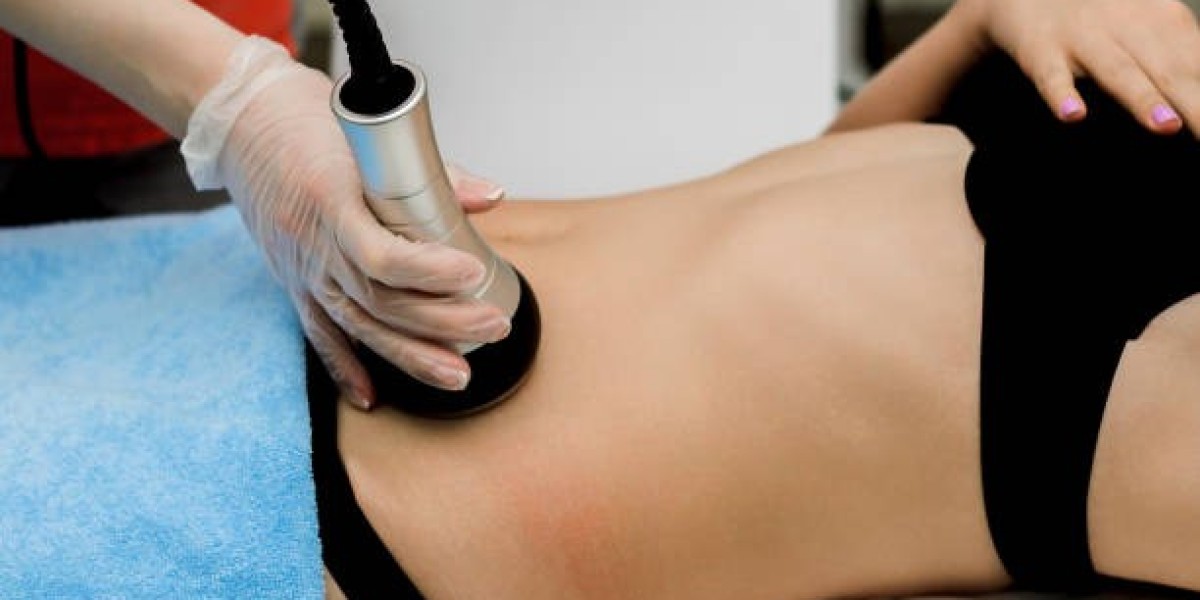

Non-surgical aesthetic treatments are popular among people who want firmer-looking skin and smoother body contours without undergoing surgery. However, understanding possible side effects is an important part of choosing any cosmetic procedure. Venus Legacy uses radiofrequency energy and pulsed electromagnetic fields to deliver controlled heat to targeted tissue, helping improve the appearance of skin firmness and cellulite in selected areas. Before choosing Venus Legacy in Riyadh (فينوس ليجاسي في الرياض), it is helpful to learn about common temporary reactions, less common complications, and the precautions that can help support a safer treatment experience. Individual responses vary, so a professional assessment should always come before treatment.
Is Venus Legacy a Safe Treatment?
Venus Legacy is a non-invasive aesthetic treatment that generally involves minimal downtime for suitable candidates. Most reported reactions are temporary, but no procedure is entirely free of risk. The device uses controlled heat, so the practitioner must monitor the skin’s temperature and response throughout the session. Treatment settings, technique, individual sensitivity, and medical history can all influence the experience. A qualified provider should explain the expected benefits, possible risks, and alternatives before obtaining your informed consent. You should never feel pressured to proceed if your questions or safety concerns have not been addressed.
Common Side Effects of Venus Legacy
Temporary Skin Redness
Redness is a possible short-term reaction after treatment. It may occur because the skin has been exposed to controlled heat and physical contact from the applicator. Mild redness usually settles on its own, but persistent or worsening redness should be discussed with your provider.
Warmth and Skin Sensitivity
The treated area may feel warm or slightly sensitive during or after a session. Many patients describe the treatment itself as a warm massage. If the heat becomes uncomfortable, painful, or unusually intense, tell the practitioner immediately so the treatment can be adjusted or stopped.
Mild Swelling
Some people experience temporary swelling in the treated area. The duration and intensity can vary depending on individual sensitivity and the treatment settings. Inform your provider if swelling becomes pronounced, increases instead of improving, or is accompanied by significant pain.
Tenderness or Discomfort
Mild tenderness can occur after treatment, particularly in sensitive areas. The practitioner should monitor your comfort throughout the session. Severe pain is not an expected outcome to ignore and should prompt immediate communication with the provider.
Less Common Side Effects and Complications
Bruising
Bruising may occur in some cases, especially when the treatment involves pressure or suction. Tell your practitioner if you bruise easily or take medication that affects blood clotting. Never stop prescribed medication without advice from the clinician who manages it.
Burns and Blistering
Although the treatment is designed to deliver controlled energy, excessive heat or an unsuitable treatment approach can potentially cause burns or blisters. Report intense burning, blistering, or severe pain promptly. Do not pop blisters or apply unapproved products to damaged skin.
Changes in Skin Pigmentation
Changes in skin color, including darker or lighter patches, are possible but less common. These changes may be temporary, although persistent pigmentation changes can occur. Tell your practitioner about previous pigment concerns, recent sunburn, or skin irritation before treatment.
Irritation or Allergic Reactions
Some patients may experience itching or irritation related to skin contact, gels, or other products used during the procedure. Inform your provider about known allergies and sensitivities. Seek medical advice if irritation is severe, spreading, or persistent.
Who Should Avoid Venus Legacy or Seek Medical Advice?
Venus Legacy is not suitable for everyone. Pregnancy, certain implanted electronic devices, metal implants in the treatment area, active skin infections, and some medical conditions may make treatment inappropriate or require additional assessment. Specific restrictions depend on the device instructions, treatment area, and individual circumstances. You should also tell your practitioner about recent cosmetic procedures, scars, skin conditions, medications, and any reduced sensation in the area. Do not proceed until the provider has reviewed these factors and confirmed that treatment is appropriate for you.
How to Reduce the Risk of Side Effects
Taking a few precautions can help you prepare for your appointment and recognize problems early.
Choose a qualified practitioner: Make sure your provider is trained to use the device and follows its instructions.
Share your medical history: Disclose medications, allergies, implants, and existing skin conditions.
Prepare your skin: Follow the clinic’s instructions and avoid treatment over sunburned, irritated, infected, or broken skin.
Communicate during treatment: Tell the practitioner immediately if the heat becomes painful or uncomfortable.
Follow aftercare guidance: Use only recommended skincare products and avoid irritating the treated area.
These steps can reduce avoidable risks, but they cannot guarantee that side effects will not occur.
What Should You Do After Treatment?
After a session, follow the aftercare instructions provided by your practitioner. Mild warmth or redness may settle without special treatment. Avoid rubbing or irritating the area, and ask your provider when it is appropriate to resume activities that expose the skin to excessive heat. If you develop severe or increasing pain, blisters, unusual skin discoloration, spreading redness, or signs of infection, seek prompt medical advice. If a reaction seems serious or rapidly worsens, do not wait for a routine follow-up appointment.
When Should You Contact Your Practitioner?
Contact your clinic if a reaction lasts longer than expected, becomes more uncomfortable, or concerns you. Severe pain, blistering, significant swelling, or changes in skin color should not be dismissed as normal recovery. Your practitioner can assess whether the area needs medical attention and recommend suitable next steps. If you experience symptoms of a serious allergic reaction, such as difficulty breathing or swelling of the face or throat, seek emergency medical assistance immediately.
Book a Consultation at Royal Clinic Saudia
If you are considering Venus Legacy in Riyadh, Royal Clinic Saudia (عيادات رويال كلينك) can be a starting point for discussing your skin concerns and treatment suitability. During a consultation, ask about potential side effects, medical contraindications, expected results, and the qualifications of the practitioner performing the procedure. Share your medical history and mention any medications, allergies, or previous cosmetic treatments. A personalized assessment can help you understand the benefits and risks before deciding whether Venus Legacy is appropriate for your goals.
FAQs:
Are side effects of Venus Legacy permanent?
Most commonly reported reactions, such as mild redness or warmth, are temporary. Less common complications, including burns or pigmentation changes, may take longer to resolve and sometimes require medical treatment.
Does Venus Legacy treatment hurt?
Many patients describe a warm, massage-like sensation. Discomfort varies, and you should tell the practitioner immediately if the heat becomes painful or excessive.
Can Venus Legacy cause burns?
Burns and blisters are possible but less common complications. Proper technique, appropriate settings, and monitoring are important for reducing risk.
How can I tell whether a reaction is normal?
Mild, short-lived warmth or redness may occur. Severe pain, blistering, worsening swelling, spreading redness, or unusual skin discoloration warrants prompt medical advice.





