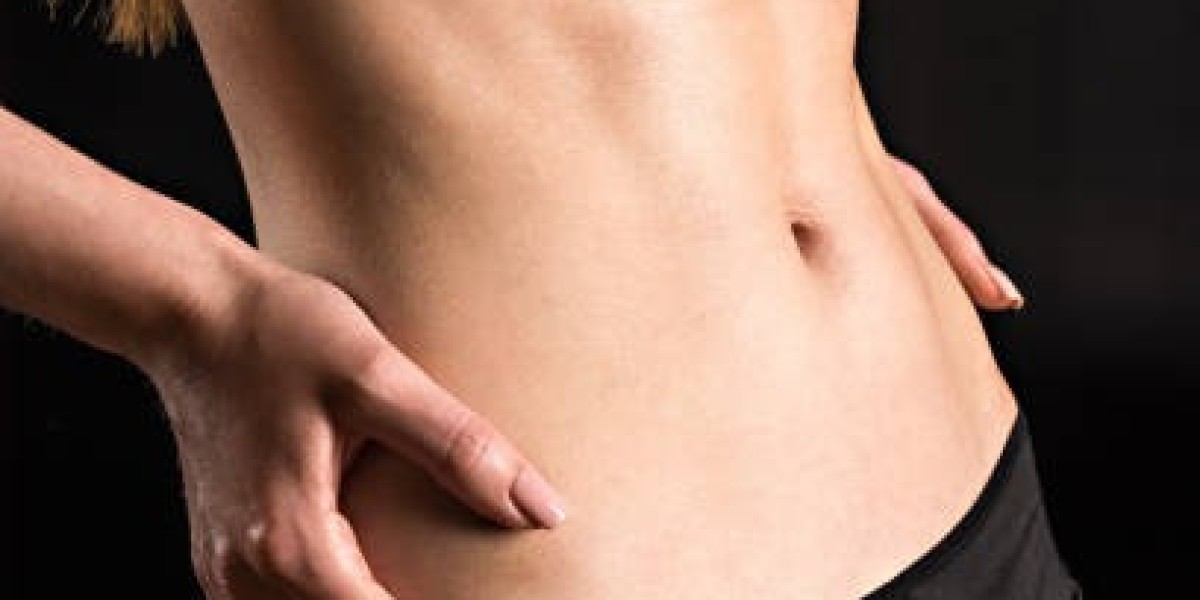

A flatter-looking abdomen is a common body-contouring goal for people who experience persistent fullness around their midsection. Even with regular physical activity and balanced nutrition, localized fat deposits may remain because of genetics, hormones, age, and individual fat distribution. Liposuction is a surgical procedure that removes selected fat deposits to refine body contours rather than provide substantial overall weight loss. For individuals considering Liposuction in Riyadh (عملية شفط الدهون في الرياض), understanding the available abdominal contouring options can help them determine which approach may suit their anatomy, health, and expectations.
What Causes Abdominal Fullness?
Abdominal fullness can develop for several reasons, and identifying the underlying cause is important before choosing a treatment. Subcutaneous fat is stored directly beneath the skin and may create a soft or rounded appearance around the stomach. This is the type of fat that liposuction can target.
However, not all abdominal fullness comes from subcutaneous fat. Visceral fat is stored deeper inside the abdomen around internal organs, and liposuction does not remove it. Bloating, changes in digestion, abdominal muscle separation, and loose skin can also influence the appearance of the midsection.
A professional assessment helps distinguish between these factors. When fullness is primarily caused by localized fat beneath the skin, liposuction may be considered. If the concern involves loose skin or weakened abdominal muscles, another procedure or a different treatment plan may be more appropriate.
How Liposuction Can Create a Flatter Abdominal Appearance
Abdominal liposuction removes selected fat cells through small incisions using a thin instrument called a cannula. The surgeon moves the instrument carefully through the fatty tissue and removes fat using suction. The amount and distribution of fat removed depend on the patient's anatomy, treatment goals, and safety considerations.
The purpose is to reduce unwanted fullness and create a more balanced contour. Surgeons consider the upper and lower abdomen, waistline, flanks, and transitions between these areas when planning treatment. Removing fat evenly across the planned region can help preserve natural-looking proportions.
Liposuction does not guarantee a completely flat stomach. The result depends on factors such as skin elasticity, abdominal structure, the amount of fat present, and healing. Patients should discuss realistic outcomes with their surgeon before deciding on treatment.
Who May Be Suitable for Abdominal Liposuction?
Abdominal liposuction may be appropriate for adults who have localized fat deposits and are near a stable weight. Candidates should be in suitable general health, understand the limitations of surgery, and have realistic expectations about the degree of contour change that may be possible.
Skin quality is particularly important. When skin has good elasticity, it may adapt more effectively to the reduced volume beneath it. If significant loose skin is present, fat removal alone may leave the abdomen looking less firm than expected.
People who have experienced major weight changes or pregnancy may have concerns involving both fat and excess skin. In some cases, a surgeon may discuss an abdominal procedure that addresses loose skin or muscle separation instead of, or in addition to, liposuction. The appropriate option depends on individual examination and medical advice.
Comparing Liposuction With Other Abdominal Contouring Options
Liposuction is not the only approach to improving abdominal appearance. A balanced diet and regular exercise can support weight management, improve fitness, and strengthen the abdominal muscles. However, these habits cannot specifically target fat loss in one chosen area, and some localized fat deposits may remain.
Nonsurgical fat-reduction treatments may offer modest changes for selected patients, depending on the technology used. They generally work differently from surgery and may require multiple sessions. Their suitability and expected results vary, and they are not necessarily equivalent to liposuction.
For people with substantial loose skin or abdominal muscle separation, an abdominoplasty, commonly known as a tummy tuck, may be discussed. This operation differs from liposuction because it can address excess skin and, in appropriate cases, abdominal muscle separation. A qualified surgeon can explain the benefits, risks, and recovery requirements of each approach.
The Importance of Skin Elasticity and Body Proportions
A flatter-looking abdomen depends on more than the amount of fat removed. Skin elasticity influences how closely the skin follows the underlying contours after treatment. Age, genetics, sun exposure, previous pregnancies, and significant weight fluctuations may affect skin quality.
Surgeons also assess the relationship between the abdomen and surrounding areas. For example, reducing fullness around the waist and flanks may create a more balanced transition between the torso and hips. However, excessive fat removal can lead to depressions or uneven contours, so the treatment plan should prioritize appropriate proportions rather than removing the maximum possible amount.
People considering Liposuction in Riyadh should discuss their desired outcome in detail and ask how their skin quality and anatomy may influence the result.
Preparing for Surgery and Recovery
Before abdominal liposuction, the surgeon reviews the patient's medical history, medications, allergies, and overall health. Depending on individual circumstances, a physical examination and medical tests may be required. Patients should disclose smoking or nicotine use and follow specific instructions about medication, eating, and drinking before surgery.
After the procedure, swelling, bruising, tenderness, and temporary changes in sensation are common. Compression garments may be recommended, and patients should follow instructions about incision care, physical activity, and follow-up visits. Gentle movement may be encouraged when appropriate, but strenuous exercise and heavy lifting should be avoided until the surgeon confirms it is safe.
The abdomen may initially appear swollen, so the final contour does not become clear immediately. Swelling can take weeks to improve, and final results may develop over several months. Worsening pain, fever, spreading redness, chest pain, difficulty breathing, or one-sided leg swelling require prompt medical attention, with chest pain and breathing difficulties warranting emergency care.
Maintaining Abdominal Contours After Liposuction
Liposuction permanently removes some fat cells from the treated area, but the remaining cells can enlarge if a person gains weight. Weight fluctuations may therefore affect the appearance of the abdomen even after surgery.
Maintaining a stable weight through balanced nutrition and regular physical activity can help support long-term results. Core-strengthening exercises can improve muscular strength and posture once the surgeon has cleared the patient to resume exercise, although they cannot remove fat from a specific location.
It is also important to remember that liposuction does not prevent aging or changes in body composition. Long-term expectations should account for individual biology and lifestyle rather than assuming the result will remain completely unchanged.
Booking a Consultation at Royal Clinic Saudi
If you are exploring options for a flatter-looking abdomen, Royal Clinic Saudi (عيادات رويال كلينك). can be a starting point for discussing your body-contouring goals. A qualified clinician can assess the source of abdominal fullness, review your health history, and explain whether liposuction or another approach may be appropriate. A personalized consultation can help you understand the possible benefits, limitations, risks, and recovery requirements before making a decision about Liposuction in Riyadh.
FAQs:
1. Can liposuction make the abdomen completely flat?
Not always. Results depend on fat distribution, skin elasticity, abdominal structure, and individual healing.
2. Does abdominal liposuction remove visceral fat?
No. Liposuction targets fat beneath the skin, not visceral fat surrounding internal organs.
3. Is liposuction suitable for loose abdominal skin?
Liposuction alone does not reliably correct significant loose skin. A surgeon can assess whether another procedure may be more suitable.
4. When will abdominal liposuction results become visible?
Some changes may appear as swelling decreases, but the final contour can take several months to develop.