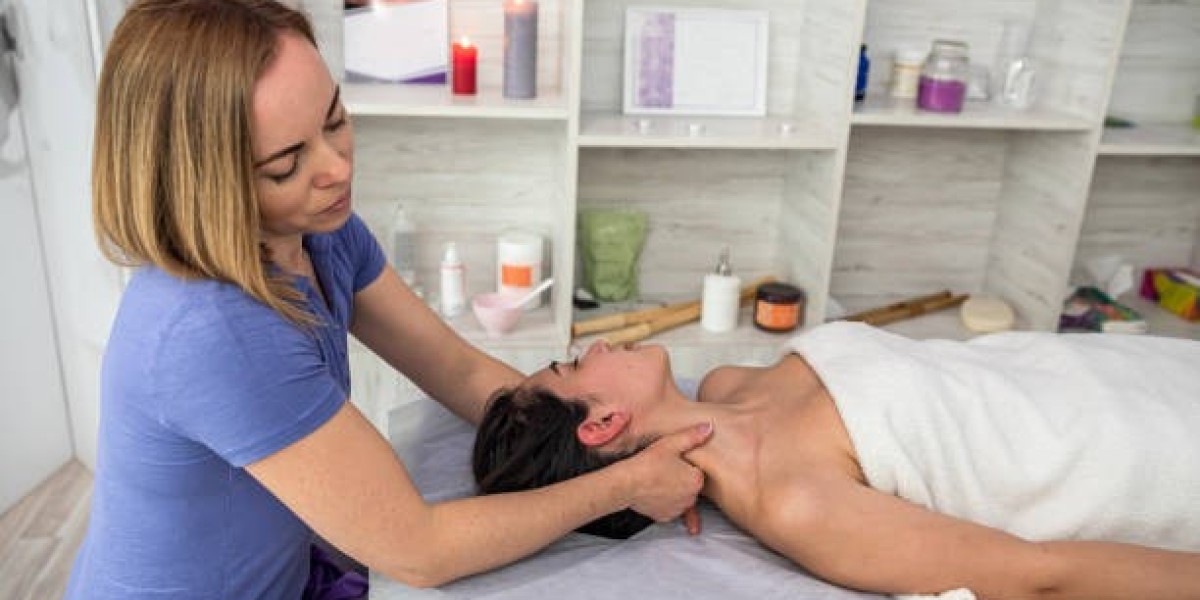

The human body continuously manages fluid movement to keep tissues functioning properly and maintain a healthy internal environment. The lymphatic system plays an essential role in this process by collecting excess fluid from tissues and returning it to the bloodstream. For individuals exploring massage in riyadh, understanding how this gentle technique relates to fluid balance can help clarify its potential benefits and limitations. Manual lymphatic drainage may help manage certain types of swelling when used appropriately, but its suitability depends on a person's health, symptoms, and medical needs.
Understanding the Body’s Natural Fluid Balance
Fluid balance refers to how the body regulates the movement of water and dissolved substances between the bloodstream, tissues, and other body compartments. Blood vessels deliver oxygen and nutrients to tissues, while fluid also moves between blood vessels and the surrounding spaces. The lymphatic system collects much of the excess fluid and returns it to circulation.
Several factors influence this process, including blood vessel function, physical activity, kidney function, hormones, and overall health. When fluid movement or drainage becomes impaired, swelling may develop. The medical term for swelling caused by excess fluid in tissues is edema.
The Role of the Lymphatic System
The lymphatic system consists of a network of lymph vessels, lymph nodes, and related tissues. Lymph vessels transport fluid through the body, while lymph nodes filter lymph and contain immune cells that support the body's defense mechanisms.
Unlike the heart-driven circulatory system, lymph movement depends partly on muscle contractions, breathing, and valves within lymph vessels. These mechanisms help move lymph toward the bloodstream. When the lymphatic system is damaged or overwhelmed, fluid may accumulate in tissues and require medical assessment.
What Is Lymphatic Massage?
Lymphatic massage, also known as manual lymphatic drainage, is a specialized technique involving gentle, rhythmic movements on the skin. It is intended to encourage lymph fluid to move through functioning lymphatic pathways.
Unlike conventional massage, which may focus on muscle tension and use deeper pressure, manual lymphatic drainage generally uses light pressure and carefully directed movements. It is often performed by practitioners with specific training in lymphatic techniques.
How the Technique Works
A trained practitioner uses particular movements and sequences to encourage fluid movement toward functioning drainage pathways. The exact approach depends on the person's condition and the area being treated.
For people with certain lymphatic disorders, this technique may form part of a broader treatment plan. However, it does not replace the lymphatic system or make the body eliminate toxins beyond its normal processes.
How Lymphatic Massage May Support Fluid Management
The potential benefits of lymphatic massage depend on why fluid is accumulating and whether the lymphatic pathways can respond to treatment.
May Help Manage Lymphedema
Lymphedema occurs when lymph fluid accumulates in tissues because the lymphatic system cannot drain it adequately. It may develop following certain surgeries, cancer treatments, or lymphatic damage, and it can also result from inherited conditions.
Manual lymphatic drainage may help reduce swelling in selected patients when included in a professional lymphedema management plan. Other components may include compression therapy, appropriate exercise, skin care, and education about long-term management.
May Help With Selected Postoperative Swelling
Temporary swelling can occur after surgery as tissues heal. In some cases, a surgeon may recommend lymphatic techniques as part of postoperative care.
People considering Lymphatic Massage in Riyadh after a cosmetic procedure should consult their surgeon before treatment begins. Massage may be inappropriate during certain stages of healing, especially if incisions are unhealed, drains are present, or complications have developed. The timing and technique should always follow the surgical team's recommendations.
May Reduce Feelings of Heaviness or Tightness
Some people with lymphatic conditions experience a feeling of heaviness, fullness, or tightness in an affected area. When manual lymphatic drainage is medically appropriate, it may help relieve some of these symptoms. Results vary, and massage may not address the underlying cause in every case.
What Happens During a Lymphatic Massage Session?
A session typically starts with a review of your symptoms, medical history, previous procedures, and treatment goals. The practitioner may ask about existing medical conditions and medications before deciding whether the technique is appropriate.
Gentle and Controlled Movements
The practitioner applies light, rhythmic pressure to the skin using movements intended to encourage lymph flow. The technique is usually gentle rather than forceful. Deep pressure is not required for manual lymphatic drainage and may be inappropriate for some patients.
Tell the practitioner if you experience pain, dizziness, or worsening discomfort. Treatment should be adjusted or stopped if concerning symptoms develop.
Individualized Treatment Plans
The duration and frequency of treatment depend on the reason for massage, the extent of swelling, and the person's response. Some people with diagnosed lymphedema may need ongoing management, while others may not benefit from repeated sessions.
When researching Lymphatic Massage in Riyadh, choose a practitioner with appropriate training and ask how treatment goals will be assessed. Be cautious of promises of immediate results or permanent body-contouring effects.
Everyday Habits That Support Healthy Fluid Balance
Lymphatic massage is only one possible tool for selected conditions. General wellness habits also help support normal body functions.
Stay Physically Active
Walking and other suitable forms of movement support circulation and general fitness. Muscle contractions can also assist normal lymph movement. If you have swelling or a diagnosed lymphatic condition, ask your healthcare provider which exercises are appropriate.
Maintain a Balanced Diet
Eat a varied diet containing vegetables, fruits, whole grains, protein sources, and healthy fats. Drink fluids according to your needs and any medical guidance you have received. People with heart or kidney conditions may require individualized advice about fluid and salt intake.
Protect Your Skin
Keep your skin clean and moisturized, particularly if you have lymphedema or are at risk of skin complications. Follow professional advice for treating cuts, irritation, or signs of infection.
Who Should Avoid Lymphatic Massage?
Lymphatic massage may be unsuitable or require medical clearance for people with suspected blood clots, acute infections, certain heart conditions, or other significant health problems. Individuals with kidney disease, active cancer, or unexplained swelling should consult their treating clinician before starting treatment.
New or worsening swelling should not automatically be treated with massage. Seek prompt medical assessment if swelling is painful, affects one limb unexpectedly, or occurs with redness, warmth, or fever. Sudden chest pain or difficulty breathing requires emergency medical attention.
Conclusion
The lymphatic system is essential for maintaining fluid balance, and lymphatic massage may help manage certain types of swelling when used as part of an appropriate care plan. Its effectiveness depends on the underlying condition, individual health, and practitioner training. It is not necessary for everyone and should not replace medical evaluation or healthy daily habits.
If you are considering Lymphatic Massage in Riyadh, Royal Clinic Saudia can help you explore appropriate treatment options and understand whether lymphatic care may suit your needs. Schedule a consultation to discuss your concerns and receive professional guidance before beginning treatment.







