
Introduction
Swedish massage in Santa Rosa is often the first style people try, and for good reason: it is gentle, familiar, and easy to adjust. Still, a first appointment can feel uncertain. What do you wear, how much pressure is normal, and how do you know the therapist is qualified? This guide walks through a session from start to finish, explains how to describe what you want, and covers the details that make the difference between a rushed hour and a genuinely restful one.
What Is Swedish Massage, in Plain Terms?
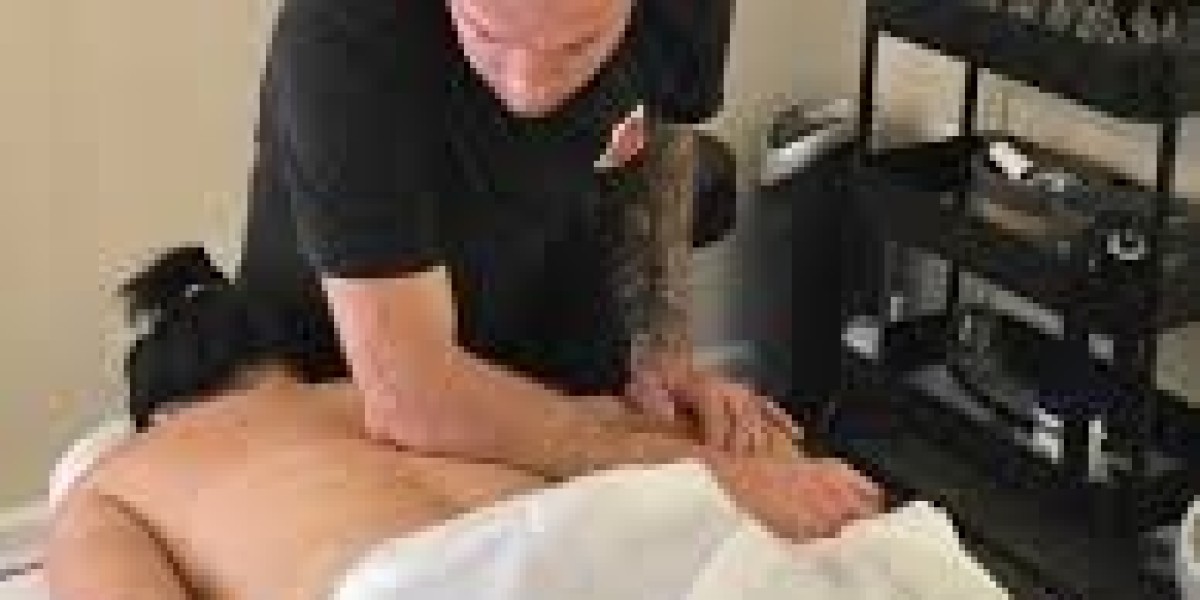
Swedish massage is a classic Western style built around long, flowing strokes, kneading, circular pressure, and light tapping. A therapist uses oil or lotion so their hands glide over the skin. The aim is general relaxation and muscle comfort rather than working deeply into one stubborn knot.
It is often confused with “relaxation massage,” and the two overlap. Many studios use the names interchangeably, so ask how the therapist describes their approach if you want something specific.
How It Differs From Deep Tissue
Deep tissue massage uses slower, more concentrated pressure aimed at deeper layers of muscle. Swedish can be light or firm, but the overall feel is smoother and more rhythmic. Many therapists blend both, so the label on the menu matters less than the conversation you have before the session.
What Happens From Check-In to Checkout?
- Intake. You may fill out a short form about health history, injuries, allergies, and areas to avoid.
- A brief conversation. The therapist asks what you hope to get from the session, such as relief from a stiff neck after desk work or simply time to unwind.
- Getting ready. You undress to your comfort level and lie on the table under a sheet or blanket. Only the area being worked on is uncovered.
- The massage. Sessions commonly run 60 or 90 minutes, moving through the back, legs, arms, neck, and sometimes the scalp, feet, or face, depending on what you agreed.
- Afterward. The therapist leaves the room while you dress. Drink water and take a few minutes before returning to your day.
How Do You Talk About Pressure?
Many first-timers stay quiet when pressure feels wrong. Therapists generally expect feedback, so use simple language during the session:
- “Lighter, please.”
- “That’s good, a little more on the shoulders.”
- “Could we skip this area?”
Pressure should feel soothing, not sharp. Sudden pain, numbness, or tingling is a reason to speak up immediately.
How Do You Choose a Qualified Therapist?
In California, the California Massage Therapy Council (CAMTC) offers voluntary certification for massage practitioners and therapists, and its website includes a public lookup where you can confirm a certificate is current. Local business rules can also apply, so check current requirements with the council and your city.
Beyond credentials, notice how a practice operates:
- Clear policies. Pricing, cancellation terms, and session length are easy to find.
- Professional draping and boundaries. You stay in control of what is worked on.
- Careful health questions. A good therapist asks about medications, injuries, and conditions.
- Honest claims. Be wary of promises to cure medical problems.
When comparing local options, a [ANCHOR TEXT](TARGET URL) can serve as one starting point for reading about services and booking details before you contact a provider directly.
Who Should Check With a Doctor First?
Swedish massage is generally considered low risk for healthy adults, but speak with a healthcare provider before booking if you are pregnant, take blood thinners, have a clotting disorder, recent surgery or injury, a skin infection, a fever, or a serious chronic condition. Tell your therapist about these things too, so they can adjust the session or suggest waiting.
Massage supports relaxation and comfort. It does not replace medical care, and persistent pain deserves a proper evaluation.
How Should You Prepare?
- Arrive a few minutes early so you are not rushed.
- Eat lightly. A heavy meal makes lying down uncomfortable.
- Skip strong perfume. Scents can bother the therapist and other clients.
- Mention sensitivities. Let them know about allergies to oils or lotions.
- Plan a quiet hour afterward if you can. Some people feel relaxed or slightly sleepy.
How Often Should You Book?
There is no universal schedule. Some people book a session after particularly stressful periods, while others prefer a regular rhythm that fits their budget and calendar. Notice how you feel in the days after a session and adjust accordingly. If you have a specific goal, such as easing tension from long hours at a desk, tell your therapist so they can suggest a sensible plan.
What Fits Local Life Around Sonoma County?
Santa Rosa residents and visitors often have active weekends, whether hiking, cycling, working in the garden, or touring wineries. A session can pair well with a quieter day afterward, and booking ahead helps during busy tourist periods. Ask whether a studio offers shorter appointments if your schedule is tight.
Conclusion
A good first session comes down to preparation and communication: understand what Swedish massage involves, check your therapist’s credentials, say what you want, and speak up about pressure. Anyone considering swedish massage in santa rosa california can follow the same approach, and the result is usually a calmer, more confident experience from the first appointment onward.