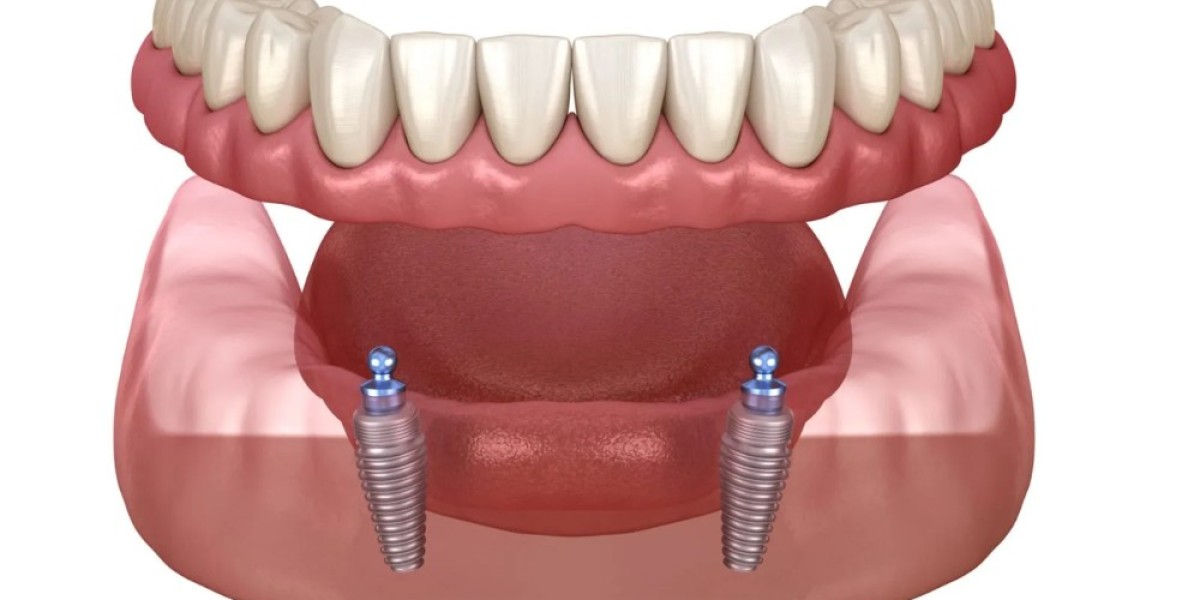

Missing teeth can affect your ability to eat comfortably, speak clearly and feel confident about your smile. Traditional dentures offer a practical way to replace missing teeth, but some people experience problems with movement, discomfort or a lack of stability, particularly when wearing a lower denture. Implant-retained dentures provide another option by using dental implants to help keep the denture securely in place.
If you are considering this treatment in King's Lynn, understanding how implant-retained dentures work, who may benefit from them and what the process involves can help you prepare for a consultation. This guide covers the main advantages, important considerations, treatment stages and daily care requirements so you can discuss your options with a qualified dental professional.
What Are Implant-Retained Dentures?
Implant-retained dentures are replacement teeth that connect to dental implants placed in the jawbone. The implants act as anchors, helping the denture stay in position rather than relying entirely on the shape of the gums, suction or denture adhesive. These appliances are often called implant-retained overdentures and may be suitable for people who have lost most or all of their teeth in the upper or lower jaw.
Many implant-retained dentures are removable. They attach to specially designed components connected to the implants and can be taken out for cleaning. This is different from a fixed implant-supported bridge, which remains in place and is generally removed only by a dental professional. Your dentist can explain which design is appropriate for your needs, based on your oral health, the number of missing teeth and your preferred approach to maintenance.
The Main Benefits of Implant-Retained Dentures
One of the main benefits is improved stability. Conventional dentures can sometimes move when you chew, laugh or speak, particularly if the gums and jawbone have changed shape over time. Dental implants provide additional support, which can help reduce unwanted movement and improve confidence during everyday activities. Some patients may also find that they rely less on denture adhesive, although the outcome depends on the design and individual circumstances.
Implant-retained dentures may also improve chewing comfort and make it easier to enjoy a wider range of foods. Their stability can reduce the rubbing and irritation associated with a loose denture. Dental implants also transfer some biting forces to the jawbone, helping maintain bone in the areas where implants are placed. However, they do not prevent every form of bone loss, and good oral hygiene and regular professional reviews remain essential for long-term success.
Who May Be Suitable for Implant-Retained Dentures?
Implant-retained dentures may be considered by people who have lost most or all of their teeth and want a more stable alternative to conventional dentures. They can be particularly helpful for individuals whose existing dentures regularly slip, cause discomfort or make eating difficult. Suitability depends on several factors, including the condition of the gums, the amount and quality of the jawbone, general health and the ability to maintain good oral hygiene.
A dental implant assessment is necessary before treatment can be recommended. Your dentist may examine your mouth and use X-rays or other scans to evaluate the jawbone and plan implant placement. Some patients may need treatment for gum disease or other oral health problems before proceeding. If there is insufficient bone in the proposed implant area, additional procedures may sometimes be considered. Your dentist will explain the available options and whether an alternative treatment would be more appropriate.
How Does the Treatment Process Work?
The process usually begins with a consultation to discuss your dental history, concerns and treatment goals. Your dentist will assess your remaining teeth, gums and jawbone before preparing an individual treatment plan. If implants are suitable, their position and the type of denture attachment will be planned carefully. The number of implants required varies according to the jaw, the denture design and the clinical circumstances.
Dental implants are placed into the jawbone during a surgical procedure, usually under local anaesthetic. The implants then need time to integrate with the surrounding bone before they can reliably support the final denture. This healing stage can take several months, although the timeline differs between patients. During this period, a temporary or existing denture may be used if appropriate. Once healing is satisfactory, the denture and its attachments can be fitted and adjusted to achieve a comfortable, functional result.
What Should You Expect During Recovery?
Some tenderness, swelling or bruising may occur after implant placement. Your dental team will provide instructions on managing recovery, maintaining oral hygiene and choosing suitable foods during the initial healing period. Following these instructions is important because the implants need time to integrate with the bone. You should attend all planned follow-up appointments so the dental team can monitor healing and identify any concerns.
The overall treatment journey may take several months, depending on whether extractions, bone grafting or other preparatory procedures are needed. Not everyone follows the same schedule, and immediate loading is only suitable in selected circumstances. Your dentist should explain the expected stages before treatment begins, including whether you will wear temporary dentures while the implants heal. Contact your dental team if you experience worsening pain, persistent swelling or other unexpected symptoms.
Caring for Implant-Retained Dentures
Although implants can improve denture stability, they still require careful daily maintenance. If your denture is removable, take it out as instructed and clean the appliance thoroughly using suitable products. You must also clean around the implant attachments and gums to help prevent plaque accumulation. Your dental team can demonstrate the correct technique and recommend brushes or other cleaning aids suited to your particular design.
Regular dental and hygiene appointments are important for monitoring the health of the tissues around the implants and checking the condition of the denture. Attachments can wear over time and may need maintenance or replacement. The denture itself may also require adjustments as your mouth changes. Avoid assuming that implants eliminate the need for routine dental care; long-term success depends on good home cleaning, professional monitoring and following the advice provided by your dental team.
Exploring Denture Options in King's Lynn
When comparing denture treatments in King's Lynn, choose a dental professional who can explain the differences between conventional dentures, implant-retained overdentures and fixed implant-supported teeth. Ask how many implants may be required, whether your existing denture could be adapted, what the healing period involves and what maintenance will be needed later. It is also sensible to request a written treatment plan that clearly explains the proposed stages and follow-up arrangements.
If you are researching dentures kings lynn, Lynn Road Dental Practice publishes information about implant-secured dentures and the importance of assessing gum health and jawbone suitability. Other local providers, including Smiles Better Dental & Implant Clinic, list dental implant services. Contact practices directly to confirm whether they offer the specific treatment you need and arrange an assessment to discuss your individual circumstances. The most suitable solution should be based on your oral health, comfort and long-term requirements rather than appearance alone.
Conclusion
Implant-retained dentures can offer a more stable alternative to conventional removable dentures for suitable patients. By connecting the denture to implants placed in the jawbone, treatment can help reduce movement and improve comfort when eating and speaking. However, the process involves surgery, a healing period and ongoing care, so it is important to understand both the potential benefits and the responsibilities involved.
A professional assessment is the best starting point if you are considering implant-retained dentures in King's Lynn. Your dentist can evaluate your oral health, explain the treatment stages and compare suitable options for your needs. With careful planning, good daily hygiene and regular follow-up appointments, you can make a more informed decision about replacing missing teeth and improving the stability of your denture.