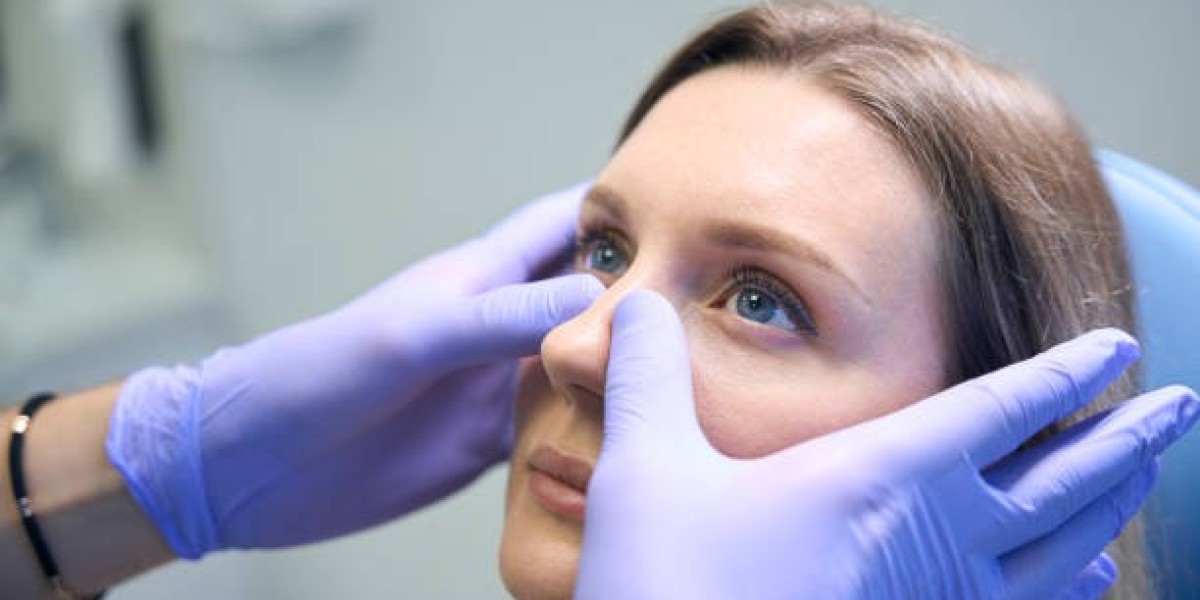

Rhinoplasty is a surgical procedure that changes the shape, structure, or function of the nose according to a patient's individual needs. Some people consider surgery to refine their nasal profile, improve symmetry, or address changes caused by an injury, while others seek help with structural problems affecting breathing. Understanding the different approaches can make it easier to discuss suitable options with a qualified surgeon. For individuals researching Rhinoplasty in Riyadh (عملية تجميل الأنف في الرياض), learning about the available procedures, their purposes, and recovery expectations is an important step toward making an informed decision.
What Are the Different Types of Rhinoplasty?
Rhinoplasty includes several surgical approaches designed to address different aesthetic and functional concerns. The appropriate option depends on nasal anatomy, medical history, desired changes, and the surgeon's assessment. Not every technique is suitable for every patient, so an individualized consultation is essential.
Open Rhinoplasty
Open rhinoplasty involves a small incision across the columella, the tissue separating the nostrils, along with incisions inside the nose. This approach allows the surgeon to lift the skin and obtain a clearer view of the underlying bone and cartilage. It may be useful for more complex reshaping, significant structural adjustments, or certain revision procedures. The technique is selected according to the changes required and the patient's anatomy.
Closed Rhinoplasty
Closed rhinoplasty uses incisions placed inside the nostrils, so there is no external incision across the columella. This approach may be suitable for selected nasal reshaping procedures that can be completed through internal access. Potential advantages include avoiding an external incision and, in some cases, less disruption to surrounding tissues. However, suitability depends on the complexity of the procedure, and closed rhinoplasty is not automatically better for every patient.
Cosmetic Rhinoplasty for Appearance
Cosmetic rhinoplasty focuses on modifying nasal features to improve their relationship with other facial characteristics. The goal is to achieve balanced, natural-looking results while preserving appropriate nasal support and function.
Nasal Bridge Reshaping
Some patients have a prominent bump or uneven contour along the nasal bridge. Surgery may reshape this area to create a smoother profile and improve the nose's proportions. The surgeon considers the forehead, nasal tip, and overall facial structure when planning changes. Careful planning is important because reducing the bridge too much can affect the nose's appearance and structural support.
Nasal Tip Refinement
The nasal tip influences how the nose appears from the front and side. Patients may seek treatment for a broad, rounded, asymmetrical, or drooping tip. Depending on the underlying cartilage and skin thickness, the surgeon may reshape or reposition selected structures. The aim is to refine the tip while maintaining stability and avoiding unnecessary changes to the patient's natural features.
Correcting Nasal Width or Asymmetry
Rhinoplasty may address certain concerns involving nasal width, uneven contours, or a crooked appearance. In selected cases, the surgeon can adjust bone or cartilage to improve alignment and proportions. The exact approach depends on the source of the irregularity and the shape of the surrounding structures. Although surgery can improve symmetry, perfect symmetry is not always achievable.
Functional Rhinoplasty and Breathing Improvement
Functional rhinoplasty focuses on structural problems that interfere with nasal airflow. Unlike purely cosmetic surgery, its primary purpose is to improve nasal function, although aesthetic changes may also be possible when appropriate.
Septoplasty and Rhinoplasty
Septoplasty corrects a deviated nasal septum, the wall separating the two nasal passages. When septal deviation contributes to breathing difficulties, a surgeon may recommend septoplasty alone or combine it with rhinoplasty. The combined approach may address internal structural concerns and external nasal shape during the same operation. A medical examination is necessary to determine whether these procedures are appropriate.
Nasal Valve Repair
The nasal valve is a narrow area within the nose that plays an important role in airflow. Weakness or narrowing in this region can contribute to persistent nasal obstruction. Depending on the underlying problem, functional surgery may strengthen or reposition supporting structures. A specialist evaluates the cause of obstruction before recommending treatment because allergies and inflammation may require different management.
Revision Rhinoplasty
Revision rhinoplasty is performed when a patient has previously undergone nasal surgery and requires further correction. Reasons may include persistent structural concerns, breathing difficulties, asymmetry, or dissatisfaction with the previous result. Revision procedures can be more complex because scar tissue and changes to the original cartilage or bone may limit available options. A detailed assessment helps determine what can realistically be improved and whether additional surgery is appropriate.
Reconstructive Rhinoplasty
Reconstructive rhinoplasty aims to restore nasal structure after an injury, previous surgery, or certain medical conditions. Depending on the damage, reconstruction may involve reshaping existing tissues or using cartilage grafts to support the nose. The treatment plan depends on the extent of the structural problem, skin condition, and functional needs. The priority is to restore stability and function while achieving an appropriate appearance whenever possible.
How to Choose the Right Rhinoplasty Procedure
Selecting the appropriate technique requires a careful assessment of personal goals, nasal anatomy, and medical needs. For patients considering Rhinoplasty in Riyadh, a consultation provides an opportunity to understand the differences between surgical approaches and identify which options may be suitable.
Discuss Your Goals and Medical History
Patients should explain which nasal features concern them, whether they experience breathing difficulties, and whether they have undergone previous nasal procedures. Sharing information about medical conditions, medications, allergies, and past injuries helps the surgeon plan safely. It is also important to discuss realistic expectations, possible limitations, and whether nonsurgical or medical alternatives may be appropriate.
Understand Recovery and Potential Risks
Recovery varies according to the surgical technique and extent of correction. Swelling, bruising, congestion, and mild discomfort may occur after surgery. Patients should follow postoperative instructions and avoid activities that could injure the nose until cleared by their surgeon. Potential complications include bleeding, infection, asymmetry, persistent swelling, changes in sensation, or breathing difficulties. No surgical outcome can be guaranteed.
What to Expect During Recovery
Many patients gradually return to light daily activities within one to two weeks, depending on their progress and the surgeon's advice. Swelling may take several months to settle, and subtle changes around the nasal tip can persist for a year or longer. Follow-up appointments allow the surgeon to monitor healing and provide guidance about exercise, work, and normal routines. Patience is important because the final appearance develops gradually.
Book a Consultation at Royal Clinic Saudia
If you are exploring Rhinoplasty in Riyadh, a professional consultation can help you understand the different surgical options and determine which approach may suit your needs. Contact Royal Clinic Saudia ( عيادات رويال كلينك ) to discuss your concerns, receive an individualized assessment, and learn about the potential benefits, limitations, and recovery process before making a treatment decision.