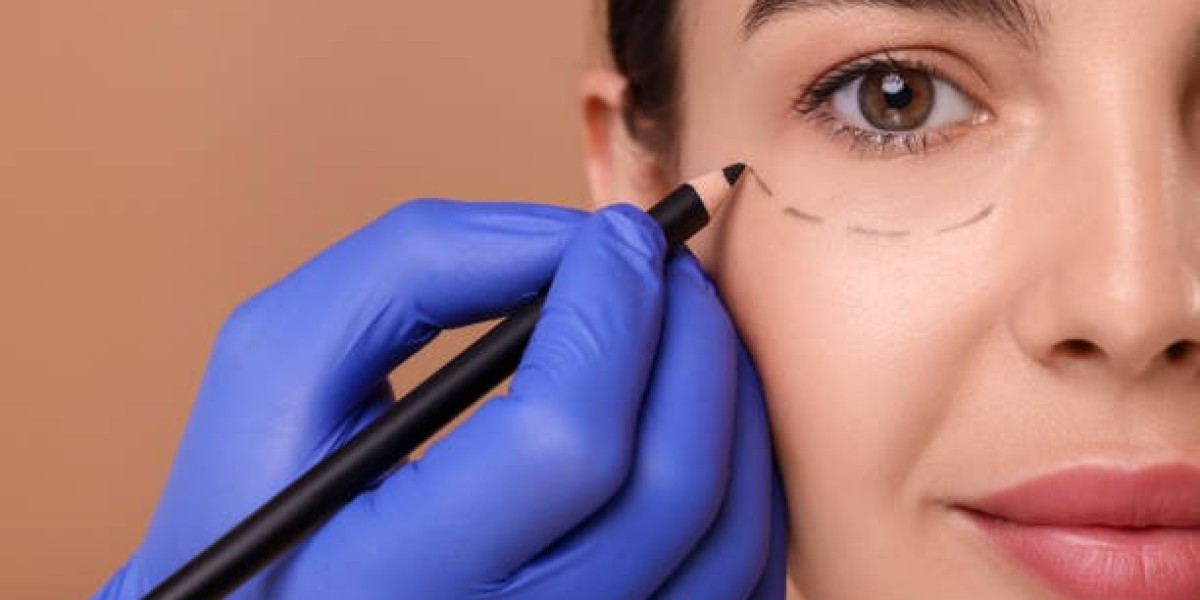

Under-eye hollows can make the face appear tired, sunken, or older than it really is, even when you get enough sleep and maintain a healthy lifestyle. These hollows often develop because of natural facial anatomy, changes in fat distribution, or age-related volume loss beneath the eyes. Understanding what causes them is the first step toward choosing an appropriate treatment. If you are considering Under Eye Fillers in Riyadh, learning how fillers work and which concerns they can address can help you make an informed decision about under-eye rejuvenation.
The area beneath the eyes has thin skin and delicate supporting structures, making even small changes in volume more noticeable. For suitable candidates, hyaluronic acid-based fillers may soften hollows by restoring volume in carefully selected areas and improving the transition between the lower eyelids and cheeks. However, fillers are not appropriate for every type of under-eye concern. Before choosing Under Eye Fillers in Riyadh, a qualified medical professional should assess your facial anatomy, medical history, and the underlying cause of the hollows to determine whether treatment is likely to help.
What Are Under-Eye Hollows?
Under-eye hollows are depressions beneath the lower eyelids that can create a shadowed or sunken appearance. They are sometimes associated with the tear trough, the natural groove extending from the inner corner of the eye toward the upper cheek.
The depth of these hollows varies from person to person. Some people have naturally prominent tear troughs from a young age, while others notice them becoming more visible as facial volume changes over time.
Under-eye hollows are not the same as dark circles or eye bags, although these concerns can occur together. Hollows create a change in contour, dark circles may result from pigmentation or visible blood vessels, and eye bags may be caused by prominent fat pads or fluid retention. Identifying the difference helps determine which treatment may be appropriate.
What Causes Under-Eye Hollows?
Natural Facial Anatomy and Genetics
Some people naturally have deeper tear troughs or less volume beneath their eyes because of their inherited facial structure. This can make shadows visible even when the skin is healthy and the person is well-rested.
When hollows are mainly related to anatomy, lifestyle changes alone may not significantly alter their appearance. A professional assessment can help determine whether treatment is appropriate.
Age-Related Volume Loss
As people age, the face undergoes gradual changes in fat distribution, skin elasticity, and supporting tissues. Reduced volume in certain areas can make the junction between the lower eyelid and cheek appear more pronounced.
These changes may also make the skin look thinner or allow underlying structures to become more visible. The result can be a deeper-looking hollow and more noticeable shadows beneath the eyes.
Changes in Facial Fat Distribution
The fat compartments that support facial contours can change over time. When volume beneath the eyes or in the surrounding cheek area decreases or shifts, the under-eye region may appear more hollow.
In some individuals, prominent fat pads create eye bags while nearby areas appear sunken. Because these features can coexist, adding filler without careful assessment may worsen puffiness rather than improve the overall contour.
Thin Skin and Visible Blood Vessels
The skin beneath the eyes is naturally thin. When it is particularly translucent, underlying blood vessels or darker tissues may become more visible, contributing to a dark appearance.
Thin skin can make hollows seem more pronounced, but filler does not directly thicken the skin or remove pigmentation. A practitioner should distinguish shadowing caused by volume loss from colour changes caused by other factors.
Lifestyle and Temporary Factors
Poor sleep, dehydration, allergies, and temporary fluid changes can affect how the under-eye area looks. These factors may make existing hollows or dark circles more noticeable, although they are not necessarily the primary cause of structural hollows.
Maintaining healthy sleep habits, drinking enough water, and managing allergies when present may improve the overall appearance of the area. However, these measures cannot reliably correct hollows caused by facial anatomy or significant volume loss.
How Can Under-Eye Fillers Help?
Under-eye fillers are injectable treatments designed to restore volume in carefully selected areas beneath the eyes. Hyaluronic acid-based fillers are commonly used for suitable candidates because they can add volume and help soften the contour between the lower eyelid and upper cheek.
Restoring Volume Beneath the Eyes
When a hollow is caused by volume loss and the surrounding anatomy is suitable, filler may help reduce the depth of the depression. The aim is to create a smoother transition rather than make the area look noticeably fuller.
Softening Shadows
Hollows can cast shadows that resemble dark circles. By improving the contour, filler may reduce these shadows and make the eyes appear more refreshed. The benefit is usually limited when dark circles are caused primarily by pigmentation, allergies, or visible blood vessels.
Supporting a More Balanced Facial Appearance
A carefully planned treatment may create a more balanced relationship between the under-eye area and the cheek. The goal is a subtle improvement that respects natural facial features, not complete elimination of every line or shadow.
Who Is a Suitable Candidate for Under-Eye Fillers?
Fillers may be suitable for adults with noticeable under-eye hollows caused by volume loss who understand the potential benefits and limitations. Candidates should be willing to discuss their medical history, allergies, medications, and previous cosmetic procedures with a qualified medical professional.
People with prominent eye bags, persistent puffiness, significant fluid retention, or certain anatomical features may not be ideal candidates. Fillers can sometimes worsen swelling or create visible irregularities in the delicate under-eye area. Treatment may also need to be postponed in the presence of an active infection near the injection site.
A professional consultation is essential to determine whether fillers are appropriate or whether another treatment—or no treatment—is a better choice.
What Should You Expect During and After Treatment?
Treatment generally begins with an assessment of your under-eye anatomy and a discussion of your goals. If filler is appropriate, the practitioner explains the product, injection approach, expected results, and possible complications before proceeding.
Mild swelling, bruising, redness, tenderness, or temporary unevenness may occur after injections. Follow your practitioner's aftercare instructions and avoid pressing or massaging the treated area unless specifically advised.
Rarely, filler can obstruct a blood vessel and cause serious complications. Seek emergency medical attention immediately if you experience vision changes, severe or increasing pain, or unusual pale, dusky, or mottled skin discolouration after treatment.
Book Your Consultation at Royal Clinic Saudia
If you are considering Under Eye Fillers in Riyadh, Royal Clinic Saudia can help you explore whether filler treatment is suitable for your under-eye hollows. A consultation with a qualified practitioner allows you to discuss your concerns, understand potential risks, and learn about alternatives based on your facial anatomy and medical history. A personalised assessment is the best starting point for making an informed decision about under-eye rejuvenation.
FAQs:
Can under-eye hollows disappear naturally?
Temporary changes related to sleep, hydration, or allergies may improve when the underlying factor is addressed. However, hollows caused by natural anatomy or structural volume loss are unlikely to disappear completely through lifestyle changes alone.
Do under-eye fillers work for everyone with hollow eyes?
No. Fillers may help selected people with volume-related hollows, but they may not be suitable for people with prominent eye bags, persistent swelling, or other anatomical concerns. A qualified practitioner should assess the area before recommending treatment.
How soon can I see results from under-eye fillers?
Some contour improvement may be visible soon after treatment, but swelling and bruising can temporarily affect the appearance. The result should be assessed after the area settles, following your practitioner's advice.
Are under-eye fillers permanent?
No. Hyaluronic acid-based fillers are gradually broken down by the body, and the duration of results varies depending on the product, individual metabolism, and treatment technique. Follow-up assessment can help determine whether any further treatment is appropriate.