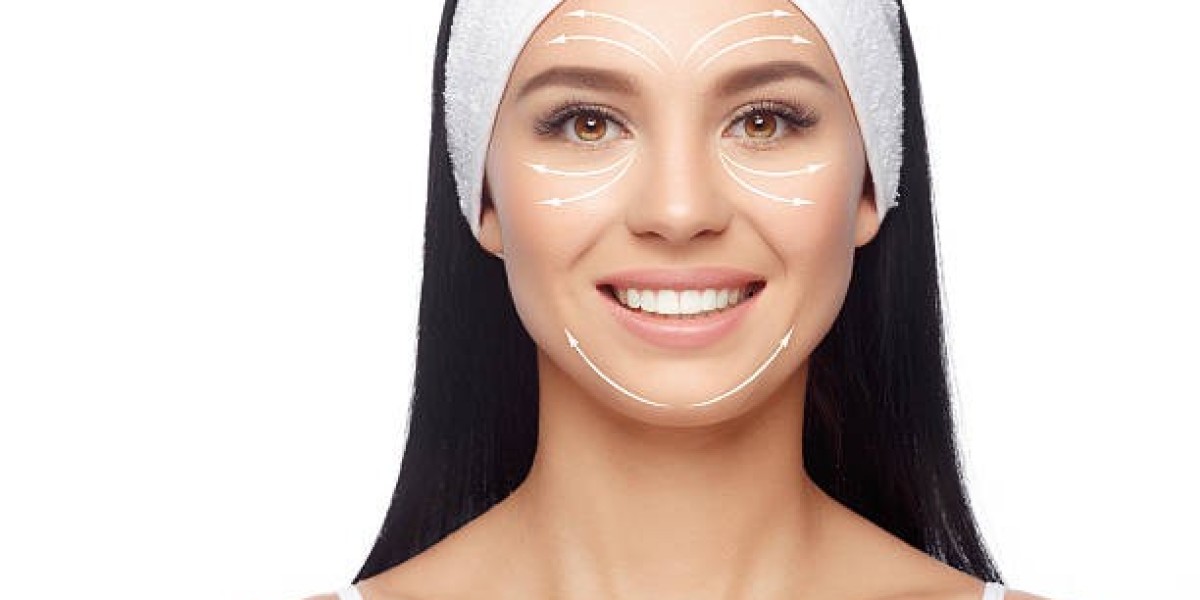

Facial volume loss is a natural change that can occur as people age. It involves gradual changes in facial fat, bone structure, skin elasticity, and the tissues that support the face. These changes may cause the cheeks to look flatter, the temples to appear hollow, facial folds to become more noticeable, or the jawline to lose some definition. For people exploring 8point facelift in riyadh, understanding the causes of volume loss can help them make informed decisions about facial rejuvenation.
Injectable treatments, including hyaluronic acid dermal fillers, may help restore volume in selected areas and improve facial contours. However, not every concern is caused by volume loss, and fillers are not suitable for every patient. A professional assessment is essential to identify the underlying issue and select an appropriate treatment plan.
What Causes Facial Volume Loss?
Natural Aging
As the body ages, the production and organization of collagen and elastin change, and the skin gradually becomes less elastic. Fat compartments in the face may shrink or shift, while changes in underlying bone structure can influence facial support. Together, these processes can affect the appearance of the cheeks, under-eye region, and lower face.
Genetics and Facial Structure
Genetics play an important role in facial shape and the distribution of fat. Some people naturally have prominent cheekbones or a slimmer face, while others have fuller facial contours. These differences are normal and do not necessarily indicate a need for treatment.
Lifestyle and Weight Changes
Significant weight changes may affect facial fullness, while sun exposure and smoking can contribute to premature skin aging. Adequate sun protection, avoiding smoking, and maintaining general health can support skin health, although they cannot completely prevent age-related structural changes.
Common Signs of Facial Volume Loss
Hollow or Flattened Cheeks
Reduced volume in the midface may make the cheeks appear less full. This can change the transition between the cheeks and the under-eye region and affect the overall appearance of the face.
More Noticeable Facial Folds
As facial support changes, certain folds around the nose and mouth may become more prominent. These folds can also be influenced by facial movement, skin quality, and individual anatomy, so adding filler is not always the most appropriate solution.
Changes in Jawline Definition
A less-defined jawline can result from several factors, including skin laxity, changes in facial fat, and underlying bone structure. Dermal fillers may help refine selected contours, but they cannot remove excess fat or reproduce the lifting effects of surgery.
How Injectable Treatments Help Restore Facial Volume
Hyaluronic Acid Dermal Fillers
Hyaluronic acid fillers are injectable gels designed to add volume or improve contours in selected facial areas. Juvederm is one product family containing different formulations for specific aesthetic uses. Depending on the formulation and treatment plan, fillers may help enhance cheek definition, soften certain folds, or refine the chin and jawline.
The treatment should be tailored to facial anatomy and the patient's goals. Excessive filler can distort natural proportions, so a conservative approach is often appropriate.
Personalized Injection Techniques
Injectable treatments are not simply about filling visible lines. An experienced practitioner considers how different areas of the face relate to one another and identifies where treatment may provide a meaningful improvement. The goal is to support natural-looking facial balance rather than create unnecessary fullness.
For suitable patients, 8 Point Facelift with Juvederm in Riyadh may be considered as an approach to addressing selected areas of volume loss through strategically planned injections. The specific points, filler product, and amount used depend on individual anatomy. Not everyone requires treatment in all eight areas, and the technique does not replace surgical facelift procedures.
What Is an 8 Point Facelift with Juvederm?
The 8 Point Facelift is a non-surgical injectable approach that uses selected points across the face to improve contour and address certain signs of aging. A practitioner may assess the cheeks, midface, and lower facial areas to determine where filler could be useful.
Juvederm fillers contain hyaluronic acid, which helps retain moisture and adds volume where indicated. The intended outcome is a refreshed appearance that respects the patient's natural features. Results vary according to facial structure, product selection, injection technique, and individual response.
A consultation should cover realistic expectations, alternative treatments, and possible complications before the procedure is performed.
What to Expect During Treatment
Consultation and Assessment
Before injections, the practitioner reviews the patient's medical history, allergies, medications, previous cosmetic procedures, and desired results. Facial structure and skin condition are assessed to determine whether fillers are suitable. Patients should disclose any previous filler reactions and relevant medical conditions.
The Injection Process
The treatment area is cleansed, and a numbing agent may be used if appropriate. The practitioner injects the selected filler into planned areas using a suitable technique. The appointment length depends on the number of areas being treated and the complexity of the plan.
Mild pressure, tenderness, or brief discomfort may occur. Aftercare instructions should be provided before the patient leaves the clinic.
Recovery and Possible Side Effects
Swelling, redness, bruising, and tenderness are common temporary effects following dermal filler injections. These usually improve over several days, although some swelling may last longer. The initial appearance can change as swelling settles, so results should not be judged immediately after treatment.
More serious complications are uncommon but can include infection, persistent lumps, and accidental injection into a blood vessel. Vascular blockage can damage tissue and, in rare cases, affect vision. Severe or unusual pain, pale or dusky skin, or any visual disturbance after treatment requires immediate medical attention.
Choose a qualified medical professional with appropriate training in facial anatomy and filler complication management. Elective filler treatment is generally deferred during pregnancy or breastfeeding because safety data are limited.
Who May Be Suitable for Injectable Treatments?
Adults with selected areas of facial volume loss may be candidates after a medical assessment. Fillers may be less suitable when the primary concern is substantial skin laxity, excess fat, or a structural issue that requires another treatment. Individual health conditions and expectations must also be considered.
A good treatment plan should focus on the concerns that matter most to the patient while preserving natural facial proportions. Fillers are temporary, and their duration varies by product, treatment area, and individual factors.
Book an Appointment at Royal Clinic Saudia
Understanding the cause of facial volume loss is an important step toward selecting an appropriate rejuvenation option. At Royal Clinic Saudia, patients can discuss their facial concerns, treatment suitability, and personalized options with a qualified professional. If you are considering 8 Point Facelift with Juvederm in Riyadh, a consultation can help you understand the potential benefits, limitations, recovery process, and safety considerations before deciding whether injectable treatment is right for you.