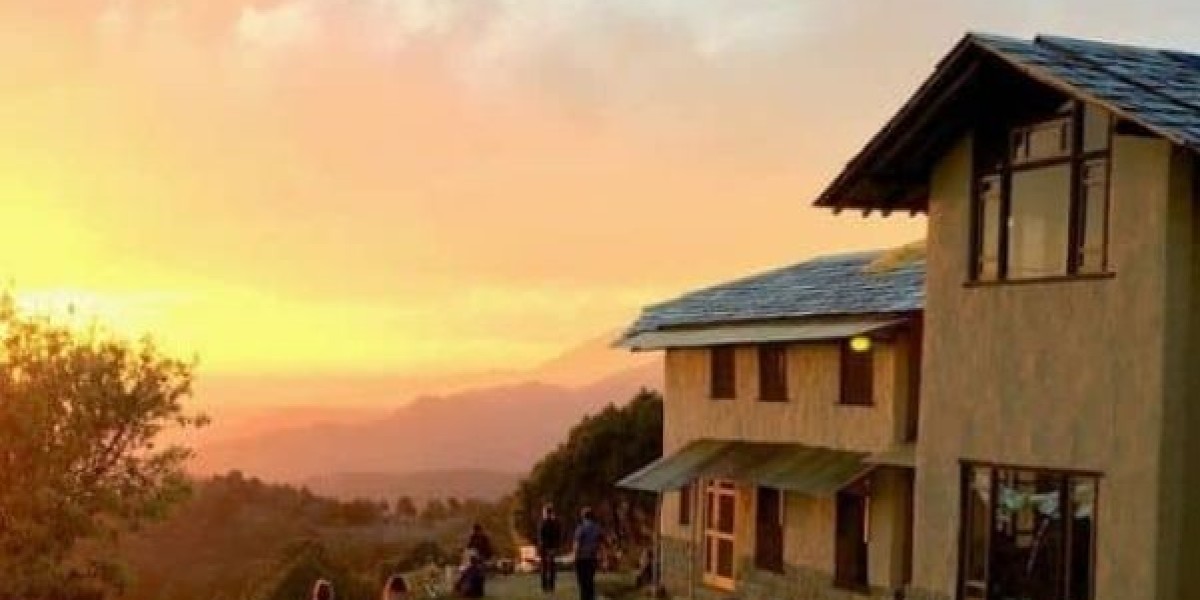

Most people come to Bir for paragliding and leave without seeing the monasteries in Bir Billing at all. That is a real loss. The monasteries sit a short drive from the landing site and show you a working Tibetan community.
This guide covers which monasteries to see, what you can and cannot do inside, and how to plan your day. We also flag every detail you should confirm before you go.
Quick Answer: Which Monasteries Should You Visit in Bir Billing?
Start with Chokling Monastery, right inside Bir Tibetan Colony.
Add Palpung Sherabling for a major Karma Kagyu monastic seat with a 42 foot Maitreya statue.
Include Deer Park Institute if a programme fits your dates.
Confirm entry to shrine halls and campus spaces before you visit.
Why Is Bir Billing Famous for Tibetan Monasteries?
Here is what most tourists get wrong. They treat “Bir Billing” as one spot. It is really two places with two very different moods.
Billing is the paragliding takeoff area up the hill. Bir Tibetan Colony sits down below, and that is where you find the monasteries, prayer flags and Tibetan cafes.
If you only drive up to Billing, you miss the cultural side of Bir completely.
How Tibetan culture became part of Bir
Tibetan families settled in Bir and built monasteries, schools and community spaces over the following decades. Secondary sources link the founding of Chokling Monastery to 1966.
Since then, the colony has grown into a living Tibetan neighbourhood. Monks study here, families run shops and cafes, and daily prayer is part of normal life.
Your visit to the monasteries in Bir Billing is a visit to people’s homes and places of worship. Keep that in mind and the whole day feels different.
If you came mainly for adrenaline, read our guide to top adventure activities in Manali too. But give Bir’s quieter side at least half a day.
What is the difference between Nyingma and Karma Kagyu monasteries?
Tibetan Buddhism has four main schools. Bir gives you a chance to see two of them in one trip.
The Nyingma school is the oldest. It traces its roots to Padmasambhava, whom Tibetans call Guru Rinpoche. Chokling Monastery follows the Nyingma tradition, and you will see his imagery there.
The Karma Kagyu school belongs to the Kagyu lineage. It places strong weight on meditation and the teacher to student line. Palpung Sherabling is one of its important seats.
You do not need to master the philosophy before you go. Just notice how each place feels, how the art differs, and how the monks move through their day.
Chokling Monastery Bir: What Makes It Special?
Chokling sits right in Bir Tibetan Colony, so you can walk to it from most stays and cafes in the area. That easy access makes it the natural first stop.
History, stupas and prayer halls
Secondary reporting connects the founding of Chokling Monastery to the third Neten Chokling in 1966. It follows the Nyingma tradition.
Visitors usually notice the stupas first. These rounded white structures hold religious meaning, and people walk around them as a form of prayer.
You will also see Padmasambhava imagery, which fits the monastery’s Nyingma roots. Look for the figure of Guru Rinpoche in the art around the prayer hall.
Chokling Monastery timings, entry and photography rules
Published timings do not agree. Some sources say 8 AM to 6 PM, others say 9 AM to 6 PM.
Several guides report free entry, but we could not find a current official confirmation. Carry a little cash for donations anyway.
Some reports place morning prayers around 6 to 6:30 AM. Do not assume you can walk in during prayers. Wait outside quietly unless a monk invites you in.
Photography inside the shrine and photos of monks need clear permission. Ask first, every time. A missing sign does not mean photos are allowed.
How much time should you spend here?
We suggest you keep 30 to 45 minutes in your plan for Chokling. That is our planning allowance, not an official visit length.
That gives you time to walk around the stupas, sit quietly for a bit and look at the art without rushing.
If you plan to move on to Manali after Bir, our Manali tour packages can link both stops into one smooth route.
Palpung Sherabling Monastery: Is It Worth the Trip from Bir?
Yes, if you care about Tibetan culture and have a few hours to spare. Sherabling feels larger and more formal than Chokling, and the setting at Upper Bhattu in Kangra feels quieter.
It does need a short drive, and the visiting hours may close earlier than Chokling. Plan around that.
History and Karma Kagyu significance
The official Palpung website dates the start of Sherabling’s establishment to 1975, under the 12th Kenting Tai Situpa.
Sherabling is an important Karma Kagyu monastic seat. For followers of this lineage, it carries deep religious weight beyond its size.
What will you see at Sherabling?
The official website describes a 42 foot Maitreya Buddha statue, three shrine halls and six shrine rooms. The main monastery follows traditional Tibetan design.
You will also see prayer wheels. The official site welcomes visitors to use the designated ones.
The site also lists 250 monks’ quarters with capacity for over 500 monks. That figure does not tell you how many monks live there now. These are private living spaces, not tourist areas.
Stay in public areas only. Some shrines and buildings may stay closed to visitors, and you should respect any closed door.
Opening hours, photography and visitor access
Third party sources disagree on shrine visiting hours. Some say 8:30 AM to 4:30 PM, others say 9 AM to 5 PM.
Secondary sources report free entry. We cannot confirm the current photography policy or whether you can attend prayers.
The simplest fix is a phone call. Sherabling lists official contacts as +91 1894 209093 and +91 1894 209088. Call before you set out.
How do you reach Sherabling from Bir?
You head from Bir towards Upper Bhattu. Third party reports put the distance somewhere around 5 to 9 km, depending on where you start and which road you take.
The Deer Park location guide suggests about a 20 minute taxi ride. Treat that as a rough guide, not a promise.
There is no fixed fare we can share. Ask your homestay or a local taxi stand for the current rate and route before you leave.
Many travellers pair Bir with Dharamshala. Our guide to the best places to visit in Dharamshala and McLeodganj helps you plan that next leg.
What Can You Explore in Bir Tibetan Colony?
The colony is small enough to walk. That is its best feature. You can spend a slow morning here without any vehicle.
Monasteries, prayer wheels and neighbourhood life
Prayer flags hang over the lanes. Prayer wheels sit along walls. Monks in maroon robes walk to class and to the shops.
This is a working neighbourhood. People live, cook, study and pray here. Please do not treat residents as a photo backdrop.
Ask before you photograph anyone. A smile and a simple question go a long way. If someone says no, put the camera away.
What is a respectful Tibetan Colony walking tour?
Start at Chokling Monastery. Then walk the public lanes around it at an easy pace.
Stop for food in one of the small Tibetan cafes near the monastery. A bowl of thukpa and a cup of butter tea make the best mid walk break.
Add Deer Park Institute only if visitor access is open or a programme you joined allows it. Do not walk into the campus uninvited.
Here is a money saving tip. Chokling and Deer Park both sit inside the colony, so walk between them. You do not need a taxi for this part.
What we tell our travellers is simple: slow down here. The colony rewards people who sit, sip tea and watch, not people who rush from photo spot to photo spot.
Want a cultural day that matches your pace and dates? Talk to our Himachal team and we will help you plan a respectful sightseeing route.
Is Deer Park Institute a Monastery, and Can Tourists Visit?
People often lump Deer Park in with the monasteries. It works differently, and knowing that saves you an awkward moment at the gate.
What is Deer Park Institute?
Deer Park Institute is a learning and contemplative centre in Bir Tibetan Colony. It runs courses, retreats and study programmes.
It is not simply another monastery to tick off. Think of it as a place for study and quiet practice.
Can you enter without attending a course?
Deer Park’s official policy gives management the right to decide who enters. It also marks some areas as No Entry.
The published office hours run Monday to Saturday, 9 AM to 12 PM and 2 PM to 6 PM. These are office hours, not open visiting hours for the whole campus.
Call before you go. The official contacts are +91 1894 268508 and +91 7018 406363.
What programmes were listed for late 2026?
Deer Park’s official 2026 schedule lists a Sāṅkhya and Hatha Yoga retreat from 22 to 26 October.
It also lists an emotional processing retreat from 27 October to 3 November.
If you read this in late October 2026, these dates fall right in front of you. Programmes change, so check the official Deer Park schedule before you book anything.
Are There Other Buddhist Monasteries Near Bir?
Yes, though you should treat these as extras. Confirm access before you build a day around them.
Dzongsar Khyentse Chökyi Lödrö Institute
The Dzongsar Khyentse Chökyi Lödrö Institute sits at Chauntra, near Bir. It is a working monastic educational institution.
Monks study here seriously. That means visitors need permission for any entry, debate attendance or prayer observation.
What about smaller gompas and Tashi Jong?
The wider Kangra region has smaller gompas and institutions, including Tashi Jong.
These do not all sit in central Bir. We cannot promise their opening hours.
Here is a stop we suggest you skip on a short trip: do not squeeze Tashi Jong or Dzongsar into a half day just to say you saw them. You will spend more time in the car than at the sites. Save them for a longer stay.
What Are the Photography and Visitor Rules at Bir Monasteries in 2026?
Each monastery sets its own rules. Bir has no single policy. Learn the basics below and you will rarely put a foot wrong.
Can you take photographs inside Buddhist monasteries?
Outdoor grounds often feel relaxed, but still check for signs. Shrine interiors, murals and ceremonies need extra care.
Ask before you photograph inside a shrine, during a ceremony, or of murals. Always ask before you photograph monks, residents or other visitors.
Do not use flash. Do not fly a drone without clear permission.
A missing sign does not mean photography is allowed. When in doubt, ask or skip the shot.
How should you behave during prayers?
Stay quiet. Put your phone on silent. Dress modestly, with shoulders and knees covered.
Follow any footwear instructions at the door. Many shrines ask you to remove shoes.
If you sit, keep to the side or the back. Do not point your feet towards the altar or the monks. Never walk through the middle of a gathering.
What should visitors know about prayer wheels and stupas?
Turn prayer wheels clockwise. Walk around stupas clockwise too.
Sherabling’s official prayer wheel page explains this practice and invites visitors to use the designated wheels. Use those, and leave any wheel that looks private or ceremonial.
Do Tourists Need Permits to Visit Bir Tibetan Colony?
Indian travellers do not need to worry about this section. It applies to foreign nationals.
Deer Park’s website states that non Indian nationals staying within Bir Tibetan Colony need a Protected Area Permit.
It points foreign visitors to the DC office in Dharamshala for guidance. A 2026 Deer Park event page also mentions an online application option.
The rules for a short day visit, without an overnight stay in the colony, are less clear.
We cannot promise how long processing takes. If you are a foreign national, sort this out well before your trip and confirm the current process with the authorities.
How Can You Plan a Half-Day or Full-Day Bir Monastery Tour?
You can see the essentials in a few hours, or spread them over a calm full day. Pick the version that suits your energy.
Half-day Tibetan Colony walk
Begin at Chokling Monastery. Spend your 30 to 45 minutes there, then wander the public lanes nearby.
Break for food at a Tibetan cafe. Add Deer Park only if you confirmed access or joined a relevant programme.
We will not give you a fixed timetable here. Hours vary, prayers vary, and a relaxed pace beats a strict clock.
Full-day monastery and culture itinerary
Here is our timing tip, and it changes the whole day. Go to Sherabling first, in the morning. One source says its shrine hours end at 4:30 PM, earlier than Chokling’s reported closing time.
Then come back to Bir for lunch and spend the afternoon at Chokling and in the colony. You avoid arriving at Sherabling just as the halls close.
Add a Deer Park programme only if you arranged it ahead.
Book your Sherabling taxi before the day starts. Ask the driver to wait while you visit, so you are not stuck looking for a ride back from Upper Bhattu.
Now a safety and scam warning. If anyone sells you a paid “entry ticket” or promises a private meeting with a senior lama, walk away. Call Sherabling on +91 1894 209093 or +91 1894 209088 to check what is real.
Tired of juggling taxis, timings and phone calls? Talk to our Himachal team for a custom Bir cultural itinerary. We plan transport and timing, though no one can guarantee shrine entry or access to religious teachers.
When Is the Best Time to Visit Monasteries in Bir Billing?
There is no single right season. Each one changes how the day feels.
Spring usually brings comfortable walking weather for the colony lanes. It suits travellers who want to combine monasteries with outdoor time.
Monsoon can bring heavy rain to Kangra. Roads can slow down, and the Sherabling drive may take longer. Pack a rain jacket and keep your plan loose.
Autumn often brings clearer days. It also lines up with Deer Park’s late October programmes in 2026.
Religious events and local decisions can change access on any given day. A festival may mean crowds, or a closed hall. Call ahead whatever the season.
In our experience, the travellers who enjoy Bir most leave one free half day for these changes. They never feel rushed when a hall closes early.
If you plan to start your Himachal trip in the hills further south, our Shimla tour packages can bring you to Kangra at an easy pace.
How Can You Combine Bir’s Monasteries with a Himachal Trip?
Bir fits neatly into a wider Kangra and Dharamshala cultural holiday. Tibetan culture runs through this whole region, from Bir’s colony to McLeod Ganj.
You can spend a day or two in Bir, then move on to Dharamshala for more Tibetan life, cafes and walks. Our Dharamshala tour packages cover that leg.
When we plan cultural trips for our travellers, we build in slow mornings. Monasteries feel nothing like a checklist. They reward calm, curious visitors.
Give the monasteries in Bir Billing a real share of your time. The paragliding lasts minutes. The quiet of a prayer hall stays with you much longer.