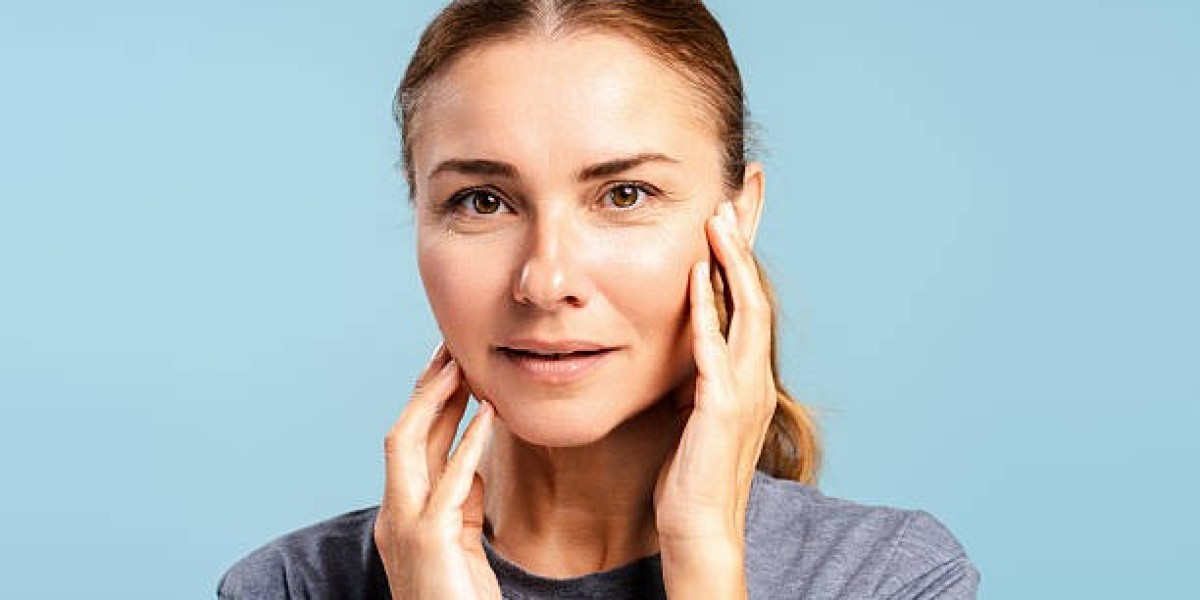

Recovery is an important part of any skin-resurfacing procedure, especially when the treatment works by creating controlled changes in the skin to stimulate renewal. co2 laser may help improve selected acne scars, fine lines, and uneven skin texture, but the skin needs time and proper care to heal afterward. Understanding the typical recovery stages, expected side effects, and essential aftercare practices can help patients prepare for the healing process and support healthier-looking skin while reducing avoidable complications.
What Happens to the Skin After Fractional CO2 Laser Treatment?
Fractional CO2 laser treatment is an ablative resurfacing procedure that uses carbon dioxide laser energy to create microscopic treatment zones in the skin. These controlled areas trigger the body's natural healing response and encourage collagen remodeling.
The surrounding tissue remains relatively intact, supporting recovery. However, the treated skin temporarily becomes sensitive and may appear red, swollen, or rough. The intensity of these effects depends on the laser settings, treatment depth, size of the area treated, and individual skin characteristics.
Understanding the Recovery Timeline
Recovery varies from person to person. The following stages are general guidelines rather than a guaranteed schedule.
The First 24 to 48 Hours
Redness, swelling, warmth, tenderness, and a sunburn-like sensation are common during the early recovery period. The skin may feel tight or sensitive to touch. Your practitioner may recommend a gentle cleansing routine and a protective moisturizer or ointment to support the healing skin barrier.
Avoid applying unapproved skincare products or rubbing the treated area. Follow the instructions provided by your treating clinician, especially if the treatment was performed at a higher intensity.
Days Three to Seven
The skin may begin to peel, flake, or develop small crusts as the surface heals. Redness and sensitivity may continue, although the severity varies according to the procedure. Do not pick at peeling skin or remove crusts, as this can increase the risk of infection, scarring, and pigmentation changes.
Some patients may need longer than a week for the skin surface to recover, particularly after more intensive treatment.
One to Two Weeks
For many patients, the surface healing process progresses substantially during this period, although redness, dryness, or sensitivity may remain. The skin may look pink or feel different from its usual texture. Follow your clinician's advice before resuming makeup, exfoliating products, or other potentially irritating activities.
The timeline is not the same for everyone. More intensive procedures may require a longer recovery period.
Several Weeks to Months
Although the skin surface may heal relatively quickly, collagen remodeling continues for several months. During this time, improvements in selected acne scars, fine lines, and texture may gradually become more noticeable. Redness can sometimes persist longer, and pigmentation changes may develop in susceptible individuals.
Essential Aftercare Tips for a Smoother Recovery
Appropriate aftercare helps protect the skin while its natural barrier recovers. Your practitioner should provide instructions tailored to the intensity of your treatment.
Keep the Skin Clean and Moisturized
Cleanse the treated area gently using the method and products recommended by your clinician. Avoid scrubbing, hot water, washcloth friction, and products that cause stinging. Apply the recommended moisturizer or protective ointment to help prevent excessive dryness.
Avoid Picking or Scratching
Peeling, flaking, and small crusts are part of the healing process. Allow them to come away naturally. Picking at the skin can delay healing and increase the risk of infection, scarring, or dark marks.
Protect Your Skin From Sun Exposure
Freshly treated skin is more vulnerable to irritation and pigmentation changes. Avoid direct sunlight as much as possible while healing. Follow your practitioner's guidance about when to resume broad-spectrum sunscreen, and use sun protection consistently once appropriate.
Pause Strong Skincare Ingredients
Retinoids, exfoliating acids, scrubs, and other irritating products may need to be paused until your skin has healed. Ask your clinician when to restart them rather than relying on a fixed schedule. Do not introduce new active ingredients while the skin remains sensitive.
Follow Activity Recommendations
Your practitioner may advise temporarily avoiding strenuous exercise, swimming, saunas, or activities that cause excessive heat, sweating, or irritation. The timing depends on your treatment and how well your skin is healing.
What Factors Can Affect Recovery Time?
Several factors can influence how quickly the skin recovers:
Treatment intensity: Deeper or more intensive resurfacing may require more healing time.
Skin characteristics: Skin sensitivity and individual healing responses differ.
Treatment area: The size and location of the treated area can affect recovery.
Aftercare habits: Following professional instructions helps reduce avoidable irritation and complications.
Medical history: Certain skin conditions, medications, and a history of delayed healing may influence treatment planning and recovery.
A practitioner should consider these factors when explaining what you can realistically expect after treatment.
Normal Side Effects Versus Warning Signs
Temporary redness, swelling, sensitivity, dryness, and peeling are common after fractional CO2 laser resurfacing. However, symptoms that worsen rather than gradually improve require attention.
Contact your healthcare provider promptly if you experience increasing pain, spreading redness, unusual swelling, pus, fever, or other signs of infection. New blisters or unexpected changes in skin color should also be assessed. Do not attempt to treat suspected complications with strong skincare products without medical advice.
When Will You See Results?
Initial skin healing and the final improvement are two different stages. Once the surface has recovered, the skin may gradually look smoother as collagen remodeling continues. Some patients notice improvement after one session, while others may need multiple treatments depending on their scar depth, texture concerns, and goals.
The procedure cannot guarantee complete removal of acne scars or wrinkles. A qualified practitioner can explain likely outcomes and whether alternative or combined treatments may be appropriate.
Book an Appointment at Royal Clinic Saudia
Understanding the recovery process can help you prepare for skin resurfacing and follow an appropriate aftercare routine. At Royal Clinic Saudia, discuss your skin concerns, medical history, and treatment goals with a qualified practitioner. Ask whether Fractional CO2 Laser Treatment in Riyadh is suitable for your needs and learn about preparation, recovery expectations, potential risks, and personalized aftercare. A professional assessment can help you make an informed decision while prioritizing skin health and realistic results.