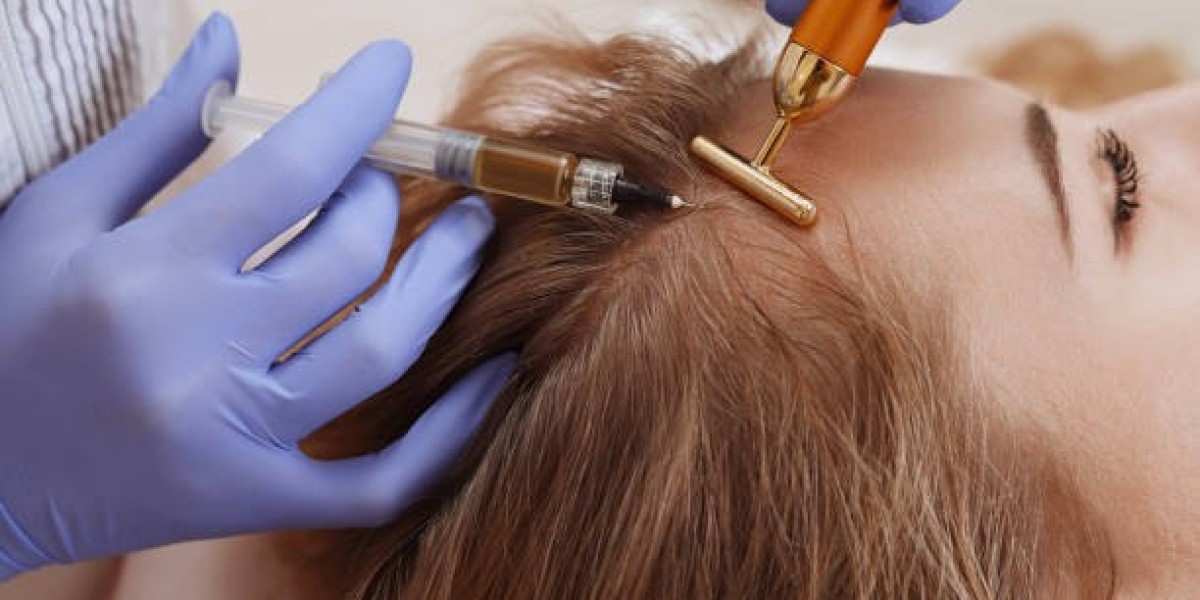

Introduction to PRP Hair Treatment in Riyadh
Hair thinning and hair loss can affect confidence, appearance, and overall well-being. Many people explore modern hair restoration options to improve hair density and support healthier growth. Platelet-rich plasma (PRP) therapy has gained attention as a non-surgical approach that uses components of a person's own blood to support scalp and hair follicle health.
PRP Hair Treatment in Riyadh is a relevant option for people researching treatments for thinning hair, certain types of hair loss, and gradual changes in hair density. Understanding how the procedure works, who may benefit, and what results to expect can help individuals make informed decisions.
PRP Hair Treatment in Saudi Arabia is also attracting interest among people looking for evidence-informed approaches to hair restoration. However, treatment suitability depends on the cause of hair loss, the condition of the scalp, and individual health factors.
What Is PRP Hair Treatment?
PRP stands for platelet-rich plasma, a concentrated portion of blood that contains platelets and various growth factors. These components play a role in the body's natural processes of tissue repair and healing. In hair restoration, PRP is prepared from a small blood sample and administered into selected areas of the scalp.
The goal is to create a supportive environment for existing hair follicles. PRP does not create new hair follicles where none remain, and its effectiveness can vary from person to person. Research into PRP for hair loss is promising in some areas, but treatment protocols and results are not consistent across all studies.
How Does PRP Hair Treatment in Riyadh Work?
Blood Collection and Preparation
The procedure generally begins with collecting a small blood sample. The sample is placed in a specialised centrifuge that separates its components and concentrates the platelets within the plasma. The resulting preparation is used for treatment.
The quality of preparation can influence the composition of the final product. A qualified medical professional should explain the process, maintain appropriate hygiene, and follow established safety procedures.
Application to the Scalp
After preparing the PRP, the practitioner cleans the treatment area and may use a local numbing method to reduce discomfort. The concentrated plasma is then injected into selected areas of the scalp, particularly where thinning is noticeable.
The procedure is generally performed without surgery and usually allows patients to return to routine activities relatively soon. Temporary tenderness, redness, swelling, or small bruises may occur after treatment.
The Role of Platelets and Growth Factors
Platelets release signalling proteins and growth factors involved in tissue repair. Researchers are investigating how these substances may influence the environment surrounding hair follicles and support aspects of the hair growth cycle.
However, the exact mechanisms are not fully established. PRP should therefore be considered a potential supportive treatment rather than a guaranteed solution for every type of hair loss.
Benefits of PRP Hair Treatment in Riyadh
A Non-Surgical Approach to Hair Restoration
One reason people consider PRP is that it does not require surgical hair transplantation. The procedure uses a preparation derived from the patient's own blood, and it generally involves limited downtime.
Nevertheless, non-surgical does not mean risk-free. Proper assessment, sterile technique, and an understanding of possible side effects remain important.
Potential Improvement in Hair Density
Some clinical studies suggest PRP may improve hair density and thickness in people with certain forms of hair loss, particularly androgenetic alopecia, commonly known as pattern hair loss. Individual outcomes differ according to the underlying condition, treatment method, and other personal factors.
PRP may be more useful when viable hair follicles remain than when an area has been completely bald for a long period. A medical assessment can help determine whether it is a reasonable option.
A Treatment That Can Be Individualised
Hair loss does not have a single cause. Genetics, hormonal changes, nutritional deficiencies, certain medications, illness, and scalp disorders may all contribute. A personalised treatment plan should address the likely cause rather than relying on one procedure for every patient.
PRP may sometimes be considered alongside established treatments, depending on the diagnosis and the individual's needs. Any combination should be discussed with a qualified healthcare professional.
Who May Be Suitable for PRP Hair Treatment in Riyadh?
PRP may be considered for adults experiencing early or moderate pattern hair loss or certain types of hair thinning. People with active hair follicles may have a better chance of benefiting than those with extensive, longstanding follicular loss.
A consultation is particularly important for people experiencing sudden shedding, patchy hair loss, scalp inflammation, or unexplained changes in hair density. These symptoms may indicate a condition that requires a different treatment.
Medical history, current medications, platelet-related disorders, and certain blood or scalp conditions may affect suitability. A practitioner should review these factors before recommending the procedure.
PRP Hair Treatment in Saudi Arabia: What to Expect
Before the Procedure
Before starting PRP Hair Treatment in Saudi Arabia, patients should receive an assessment of their hair loss pattern, scalp condition, and medical history. Depending on the symptoms, a healthcare professional may recommend blood tests or other investigations to identify possible underlying causes.
Patients should disclose their medications and supplements and follow the practitioner's instructions. They should not stop prescribed medicines without guidance from the clinician responsible for their care.
During the Procedure
The procedure commonly involves blood collection, preparation of platelet-rich plasma, and injections into selected scalp areas. The time required varies according to the treatment area and the method used.
Some discomfort may occur during injections. Patients should be encouraged to ask about pain management, infection prevention, and what to expect immediately afterward.
After the Procedure
Most people can resume ordinary activities relatively quickly, although individual instructions may vary. Mild tenderness or redness can occur temporarily. Patients should follow aftercare guidance and contact their healthcare provider if they develop severe pain, spreading redness, fever, or other concerning symptoms.
When Can You Expect to See Results?
Hair growth occurs in cycles, so improvements are not immediate. If PRP is effective for an individual, changes may become noticeable over several months. The timing and degree of improvement vary, and some patients may see little or no meaningful change.
A practitioner may recommend an initial series of treatments followed by reassessment. The number and spacing of sessions depend on the individual's condition and the protocol being used. Maintenance treatments may be discussed, but long-term benefits and ideal schedules are not firmly established.
Photographs taken under consistent lighting and follow-up assessments can help track changes more reliably than memory alone.
Possible Side Effects and Safety Considerations
PRP uses a preparation derived from the patient's own blood, which reduces some concerns associated with foreign substances but does not eliminate procedural risks. Possible side effects include injection-site pain, temporary swelling, redness, bruising, headache, and a small risk of infection.
The treatment should be performed by an appropriately qualified healthcare professional using sterile equipment and a clearly explained protocol. Patients should seek medical advice before treatment if they have relevant blood disorders, active scalp infections, or other conditions that could affect safety.
It is also important to maintain realistic expectations. PRP is not a guaranteed cure, and it may not replace established treatments for the underlying cause of hair loss.
PRP Hair Treatment in Riyadh Compared With Other Hair Loss Treatments
Different treatments address hair loss in different ways. Medications such as minoxidil and, for suitable patients, finasteride may help manage certain forms of pattern hair loss. Hair transplantation may be considered for selected people who want to redistribute existing hair follicles. Other options may be appropriate when hair loss results from nutritional deficiencies, inflammatory scalp conditions, or other medical causes.
PRP may be used as an alternative or an additional treatment in selected cases, but it is not automatically better than other options. Comparing treatments should involve their evidence, possible side effects, suitability, and long-term management requirements.
The most appropriate approach is the one that addresses the underlying diagnosis and aligns with the patient's health needs and expectations.
Conclusion
PRP Hair Treatment in Riyadh offers a non-surgical option that may help improve hair density in some people experiencing specific forms of hair loss. Its potential benefits, limitations, and safety considerations should be understood before beginning treatment. Results vary, and careful diagnosis is essential to determine whether PRP is suitable or whether another treatment would be more effective.
People exploring PRP Hair Treatment in Saudi Arabia should prioritise a thorough medical assessment, realistic expectations, and evidence-informed care. For individuals researching hair restoration options, Enfield Royal Clinic Saudi can be considered as a starting point for enquiries about available services and consultation arrangements. Patients should independently verify practitioner qualifications, treatment suitability, and the information provided before making a healthcare decision.
Frequently Asked Questions
What is PRP Hair Treatment in Riyadh?
PRP hair treatment is a non-surgical procedure that uses platelet-rich plasma prepared from a patient's blood and injected into selected scalp areas. It may help improve hair density in some people with certain types of hair loss, although results vary.
Is PRP Hair Treatment in Riyadh effective for hair loss?
Clinical research suggests PRP may benefit some people with pattern hair loss. However, effectiveness depends on the diagnosis, treatment protocol, and individual response. It does not work equally well for everyone and cannot guarantee hair regrowth.
How many PRP hair treatment sessions may be needed?
The recommended schedule varies according to the patient's condition and the practitioner's protocol. An initial series of sessions may be suggested, followed by an assessment of progress and discussion of possible maintenance treatment.
Is PRP Hair Treatment in Saudi Arabia safe?
PRP is generally considered well tolerated when appropriately prepared and administered by a qualified professional. Temporary pain, swelling, redness, and bruising can occur, while infection is an uncommon but possible risk. Individual medical factors should be assessed beforehand.
When will results become visible after PRP hair treatment?
If treatment works, changes may become noticeable over several months because hair grows in cycles. Results differ between individuals, and some people may experience limited improvement. Regular follow-up can help assess whether treatment is providing a meaningful benefit.
Can PRP hair treatment permanently stop hair loss?
PRP is not a permanent cure for hair loss. The underlying cause may continue to affect hair growth, and ongoing management may be necessary. A healthcare professional can explain whether PRP, medication, another treatment, or a combination is appropriate for the individual's condition.