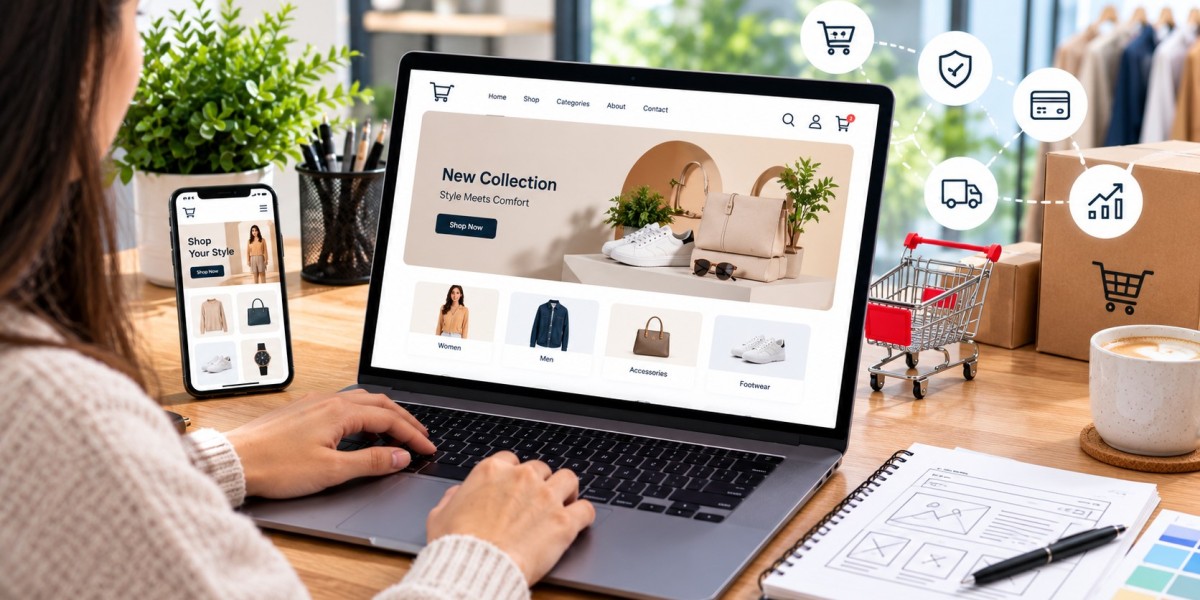

Hiring the wrong agency can cost months of delays, a store that frustrates customers, and a budget that disappears into rework. Hiring the right one gives you a growth partner who understands your market. A Custom E-commerce Web Design Company should do far more than make pages look attractive. It should translate your business goals into a store that loads fast, converts visitors, and scales. This guide from Xcentric Services explains what to evaluate, which questions to ask, and how custom ecommerce web design projects succeed when the client and agency work well together.
What to Evaluate Before You Hire
Portfolio and Proven Results
Start with the portfolio, but look beyond screenshots. Visit live stores the agency has built and test them yourself. Check how quickly pages load, how smooth the mobile experience feels, and how simple the checkout is. Ask for case studies that show measurable outcomes such as higher conversion rates, improved page speed, or increased average order value. A strong portfolio shows range, but it should also show depth, meaning the agency can handle complex catalogs, integrations, and multiple markets without losing quality.
Platform and Technical Expertise
Your store will run on a specific technology, so the agency must know it well. Ask about experience with Shopify, WooCommerce, Magento, BigCommerce, and headless frameworks. Find out how the team handles custom themes, extensions, APIs, and payment gateways like Stripe and PayPal. Technical depth also covers security practices, including PCI DSS awareness, SSL, and regular updates. An agency that recommends a platform based on your needs, rather than its own habits, is usually a better fit.
Design and UX Process
Good agencies follow a clear design process. Expect discovery workshops, user research, wireframes, interactive prototypes, and structured review rounds. Ask how they test usability and how they decide between competing design ideas. The best teams rely on analytics, user feedback, and conversion principles instead of personal taste. Their process should also include accessibility, so people using screen readers or keyboard navigation can complete a purchase without difficulty.
Communication and Project Management
Delays often come from poor communication, not poor skills. Ask who your main contact will be, how often you will receive updates, and which tools the team uses to track progress. Clear timelines, milestone approvals, and written scope documents protect both sides. Responsiveness during the sales conversation is a useful preview of the working relationship. If answers feel vague now, expect more confusion once the project is underway.
Post-Launch Support and Long-Term Partnership
A store needs care after launch. Ask what the agency offers for updates, security patches, backups, and performance reviews, and how quickly it responds to urgent issues. Find out whether support is included for a period or sold as a separate plan. A good Custom E-commerce Web Design Company stays involved after launch, reviewing analytics, suggesting improvements, and helping you add features as your business grows. Long-term partnerships usually deliver better results than short, one-time projects.
Questions, Pricing, and Warning Signs
Questions Worth Asking in Every Meeting
Prepare a list before meetings. Ask how their Custom E-commerce Website Design Services work, and how they approach E-commerce Website Design and Development from planning to launch. Ask who owns the final code and design files, how bugs found after launch are handled, and what training your team will receive. Ask how they protect search rankings during migration and how they measure success. Strong agencies answer with specifics and examples. Weak answers rely on buzzwords and promises that cannot be checked.
Understanding Pricing Models
Agencies price projects in different ways. Fixed-price quotes suit well-defined scopes, while time-and-materials billing fits evolving requirements. Retainers cover ongoing optimization and support. Compare proposals line by line, because a low quote may leave out essentials like testing, migration, or integrations. Professional E-commerce Web Design Services will explain what is included, what costs extra, and how scope changes are handled. Transparent pricing is a sign of honest business practice.
Red Flags to Watch For
Be cautious if an agency promises unrealistic timelines, refuses to show live work, or cannot explain its process. Another warning sign is a one-size-fits-all pitch that ignores your goals. Pressure to sign quickly, unclear ownership terms, and missing post-launch support also deserve concern. Custom Online Store Design Services should begin with questions about your customers and business, not with a template catalog. Trust your instincts if a proposal feels generic.
Setting Your Project Up for Success
Even the best agency needs a prepared client. Define your goals, target audience, budget range, and must-have features before kickoff. Assign one decision maker, gather brand assets and product content early, and respond to review requests promptly. Share analytics access so the team can base decisions on data. When both sides stay organized and honest, projects finish on time and the final store reflects your vision more accurately.
Reference Checks and Client Reviews
Reviews and references reveal how an agency behaves when problems appear. Ask for two or three past clients with similar needs and speak to them directly. Learn whether deadlines were met, how disagreements were handled, and whether the final store delivered the promised results. Check independent review sites and professional profiles too. Consistent positive feedback across several sources is a strong signal, while hidden or missing testimonials deserve additional questions before you commit your budget and your brand.
Aligning the Agency With Your Growth Plans
Before signing, share your plans for the next two or three years. If you expect new markets, wholesale accounts, subscriptions, or a mobile app, the agency should design the store architecture to support them. Ask how the platform will handle higher traffic and larger catalogs. Agencies that understand your roadmap can make smarter technical choices now, which saves money and avoids a rebuild when your business reaches its next stage of growth.
Frequently Asked Questions
How do I compare two agency proposals?
Compare scope, timeline, deliverables, integrations, testing, support, and ownership terms, not only total price.
Should I choose a local agency or a remote one?
Either can work. Focus on communication quality, relevant experience, and time zone overlap rather than location alone.
How long does the selection process take?
Plan for two to four weeks to review portfolios, hold meetings, and compare proposals carefully.
What should my contract include?
Include scope, milestones, payment terms, revision limits, ownership rights, confidentiality, and post-launch support.
Can an agency redesign my store without hurting SEO?
Yes, with careful planning. That means redirect mapping, content preservation, and technical audits before and after launch.
What is the biggest mistake buyers make?
Choosing on price alone. The cheapest option often becomes the most expensive after fixes and rebuilds.
Do I need technical knowledge to hire an agency?
No. A good agency explains choices in plain language and guides you through each decision.
Final Thoughts
The right partner shapes the success of your online store for years, so take the selection process seriously. Look for proven results, platform expertise, a clear process, and honest communication. If you would like a team that combines strategy, design, and development under one roof, Xcentric Services is here to help. Share your goals with us, and we will help you build an e-commerce store that earns customer trust and supports steady growth.