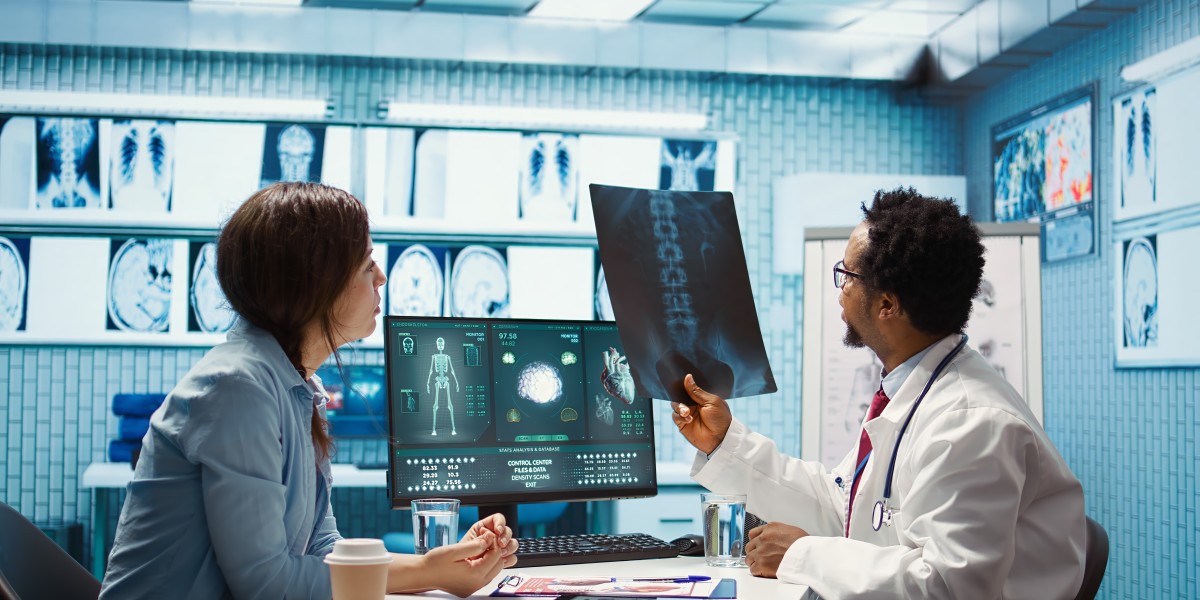

Radiology reporting done in a timely manner is one of the ways in which clinicians are able to come up with proper decisions. There are situations where hospitals, imaging centers, and healthcare networks have increased imaging volumes, report backlog, and require the expertise of a subspecialty. These situations can be well managed using an efficient method of reporting.
Vital Radiology offers tele reporting services in general and subspecialties to help healthcare organizations with their reporting. Through the use of tele reporting, imaging facilities can be connected to radiology experts to help healthcare organizations with reporting that is not available at the point of care.
The reporting services offered by Vital Radiology are clinical quality-based, specialist knowledge-driven, and technology-enabled reporting services in India.
What Are Tele Reporting Services?
Tele-reporting includes the distant analysis of medical images by certified radiologists who generate medical reports for referring doctors. Medical images obtained from either hospitals or diagnostic centers can be easily sent to radiologists for analysis without the presence of a radiologist at the imaging center.
This service is especially helpful for medical organizations that require extra assistance out of their working hours.
Remote reporting will depend on the clinical need and agreed service provision, and may include:
CT reporting for various clinical indications.
MRI reporting for various anatomic areas.
X-ray reporting for diagnostic purposes.
Subspecialty reporting when specialized knowledge is needed.
Emergency/Out-of-Hours reporting need.
Reporting as a second opinion when further radiological input is required.
The idea behind this is that there should be access to reporting services for imaging centers where appropriate reporting knowledge exists.
Why Healthcare Providers Need Remote Radiology Reporting
Radiology departments have to work under difficult conditions whereby reporting guidelines may keep on changing during the day. This could be influenced by the emergency cases, routine examinations, staffing, and specialized reporting.
Tele reporting services provides healthcare professionals with the flexibility of enhancing their current reporting system without depending solely on the presence of radiologists in one place.
1. Managing Increasing Imaging Volumes
As hospitals and diagnostic centres conduct more imaging examinations, reporting teams may experience periods of increased demand. Additional reporting support can help distribute workloads and manage backlogs more effectively.
This flexibility is valuable for facilities experiencing seasonal fluctuations, sudden increases in referrals, or temporary staffing limitations.
2. Access to Specialist Expertise
Certain examinations require knowledge of particular subspecialties. Access to experienced reporting professionals can help healthcare organisations obtain appropriate expertise for complex cases.
Vital Radiology offers general and subspecialty reporting, including access to specialist opinion consultants. The appropriate reporting pathway depends on the examination, clinical requirements, and service arrangements.
3. Supporting After-Hours Requirements
Emergency departments and hospitals may require radiology reports during nights, weekends, and other periods when routine staffing is limited.
Remote reporting arrangements can provide additional coverage during these periods, helping clinical teams obtain reports according to agreed turnaround times and escalation procedures.
4. Greater Operational Flexibility
Remote reporting enables healthcare providers to access reporting capacity across geographical boundaries. Rather than depending entirely on local availability, facilities can arrange additional support based on their operational needs.
This can help organisations manage changing workloads while allowing their internal teams to concentrate on other clinical and departmental responsibilities.
Tele Reporting Services at Vital Radiology
Key Radiology aids healthcare facilities through professional reporting services as well as availability of generalists and subspecialists in radiology. The strategy uses knowledge of medicine and technology to aid health care facilities in coping with the reporting needs.
The reporting support provided by Vital Radiology may be useful for hospitals, diagnostic centers, and healthcare facilities which have need for additional capacity or specialist report interpretations during off-hours.
Key areas of focus include:
Quality of clinical service: Enabling reporting processes which ensure proper interpretation and diagnostics.
Specialised reporting: General or specialised expertise availability depending on the nature of examination and reporting required.
Flexible approach: The reporting process built to meet the needs of the healthcare organisation.
Technology-based process: Digital solutions to link imaging facility with reporting specialists located remotely.
International scope: Support to healthcare organisations across different geographic markets.
For healthcare providers, outsourcing to a reporting partner is about more than just getting the final report. Efficient communication, workflows, and appropriate clinical supervision are also key elements of the successful cooperation.
How Remote Radiology Reporting Works
An effective remote reporting process depends on the coordinated movement of imaging data, relevant clinical information, and completed reports.
Although individual arrangements vary, the workflow generally involves the following stages.
Step 1: Image Acquisition
The patient's examination is performed at a hospital or diagnostic centre using the appropriate imaging equipment. Relevant clinical details are recorded to support interpretation.
Step 2: Secure Image Transfer
The imaging study and associated information are transmitted through an appropriate digital workflow to the reporting service. Secure handling and suitable access controls are essential throughout this process.
Step 3: Radiologist Interpretation
A qualified radiologist reviews the examination alongside the available clinical information. The interpretation follows the requirements of the examination and the agreed reporting pathway.
Step 4: Report Preparation and Delivery
The radiologist prepares a structured report describing the relevant findings and providing an appropriate diagnostic interpretation. The completed report is returned through the agreed communication or reporting system.
Step 5: Clinical Follow-Up
The referring healthcare team reviews the report and incorporates the findings into patient management. Urgent findings should be communicated through established escalation procedures whenever applicable.
A well-defined workflow helps reduce avoidable administrative delays and supports effective coordination between imaging facilities and reporting professionals.
The Importance of Quality and Clinical Governance
Timeliness is not all that is needed for reporting.
The reports need to be appropriate, well-documented, and performed by qualified and experienced professionals.
In the assessment of tele reporting services by healthcare institutions, the reporting process as a whole needs to be taken into consideration, not just the turn-around time.
Some of the important aspects are as follows:
The qualifications and relevant experience of the radiologists.
Availability of the appropriate subspecialty expertise.
Proper reporting protocols and procedures for escalation.
Turnaround time expectations for different types of cases.
Proper handling of the information related to the patients.
Procedures for clinical communication, feedback and quality assurance.
These considerations will help the healthcare providers determine if a particular reporting solution meets their requirements.
Professional reporting and specialist expertise at Vital Radiology are aligned with the importance of keeping quality-focused processes. Appropriate service agreement and governance structure needs to be developed by individual healthcare institutions.
Technology and the Future of Teleradiology
The technology remains relevant in terms of the exchange of information and assignment of the cases as well as monitoring of the reporting process. The use of digital connections may allow avoiding some unnecessary administrative procedures and coordination between imaging facilities and reporting.
Modern reporting processes might include imaging systems, radiology information systems, data exchanges, and reporting systems. Depending on the available systems, integration can facilitate case submission, report retrieval, and monitoring of reporting process.
The artificial intelligence can help with selected workflow tasks including prioritisation of potentially urgent studies. It is essential, however, to clarify what tasks can be performed with the use of artificial intelligence and not to present it as an alternative to the expertise of qualified radiologists.
If the health care organisation decides to use tele reporting services, it is necessary to choose the appropriate approach regarding the technology. Compatibility, security, usability, and communication are essential factors when choosing a reporting company.
Choosing the Right Reporting Partner
Selecting a reporting provider is an important operational decision for hospitals and diagnostic centres. The right arrangement should complement existing clinical teams and address specific reporting challenges.
Before entering an agreement, healthcare organisations should evaluate:
Reporting scope: Confirm the imaging modalities and subspecialties covered.
Availability: Establish coverage for routine, urgent, overnight, and weekend cases where required.
Turnaround times: Agree on realistic reporting targets for different examination categories.
Clinical communication: Understand how urgent findings, queries, and escalations are managed.
Information security: Review data protection procedures and access controls.
Workflow compatibility: Determine how images, clinical details, and completed reports will be exchanged.
Quality assurance: Clarify the processes for feedback, discrepancy review, and ongoing service evaluation.
A clear understanding of these factors helps create a reporting arrangement that supports both clinical requirements and departmental efficiency.
Strengthen Your Radiology Reporting Workflow with Vital Radiology
Healthcare organisations need reporting arrangements that balance clinical quality, specialist expertise, and operational flexibility. Increasing imaging demand makes it important to have access to appropriate reporting support without compromising established clinical standards.
Vital Radiology provides general and subspecialty radiology reporting support for healthcare organisations across multiple markets. Its technology-enabled approach helps connect imaging facilities with reporting expertise, supporting the management of routine and specialised reporting requirements.
Whether a hospital needs additional reporting capacity, access to specialist interpretation, or support for after-hours workloads, a carefully planned remote reporting arrangement can complement its existing radiology department.
Explore how Vital Radiology's tele reporting services can support your organisation's reporting workflow. Contact the team to discuss your imaging requirements, reporting coverage, and suitable service arrangements.






