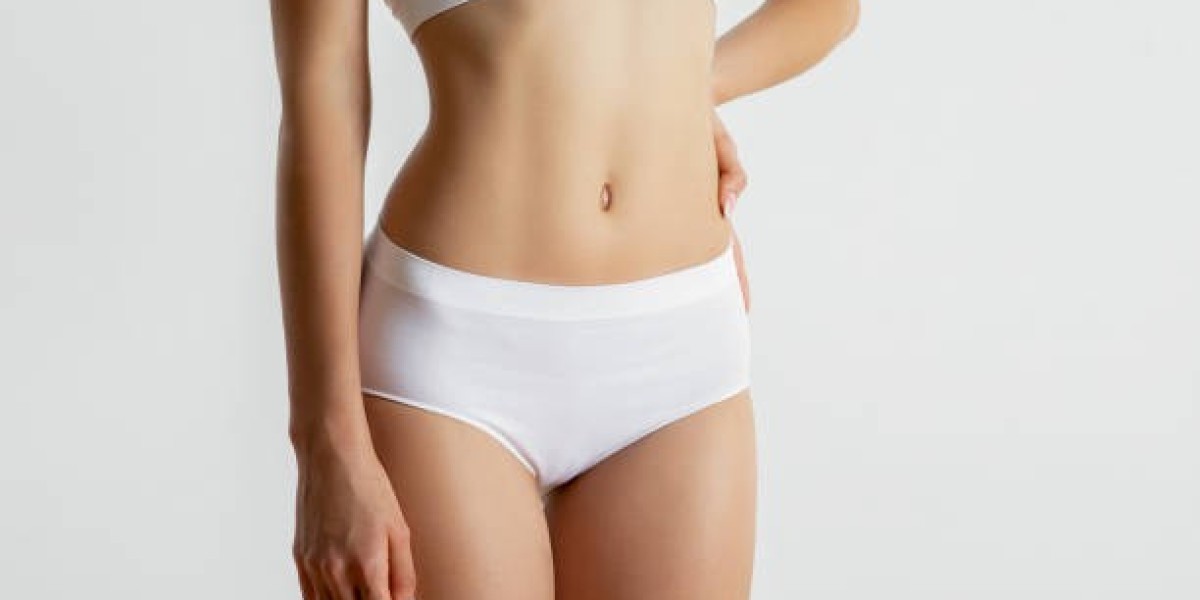

Liposuction is a cosmetic procedure designed to remove localized fat deposits and improve the body's overall contours. Although the procedure can help refine specific areas, recovery plays an important role in achieving the intended results. Patients may experience swelling, bruising, tenderness, and temporary changes in sensation as the treated tissues heal. Liposuction in Riyadh (عملية شفط الدهون في الرياض) can be considered by suitable candidates who want to address persistent fat deposits, but preparing for recovery is just as important as understanding the procedure itself.
Preparing Your Body Before Surgery
Preparing for liposuction begins with a medical consultation and an honest discussion about your health. The surgeon needs to know about existing medical conditions, previous operations, allergies, and all medicines or supplements you take. This information helps the medical team evaluate potential risks and determine whether the procedure is appropriate for you.
Patients should follow personalized preoperative instructions carefully. These may include avoiding nicotine, reviewing medicines that can affect bleeding, and following specific eating and drinking instructions before anesthesia. Do not stop prescribed medication independently. Any changes should be approved by the clinician responsible for your care.
Organizing Your Home for Recovery
A comfortable recovery environment can make the first few days after surgery easier to manage. Before the procedure, prepare a quiet resting area with clean bedding, comfortable clothing, drinking water, and essential personal items within easy reach. Keep frequently used belongings nearby to reduce unnecessary bending, stretching, and walking.
It is also helpful to arrange transportation home and ask a trusted adult to assist you during the initial recovery period, particularly if sedation or general anesthesia is used. Depending on the procedure and anesthesia, you may not be able to drive or manage daily tasks safely immediately afterward. Planning these arrangements in advance can reduce stress and allow you to focus on healing.
Following Postoperative Instructions Carefully
After liposuction, your surgeon will provide instructions for incision care, bathing, activity, medication, and follow-up appointments. These directions are specific to your procedure and should take priority over general advice. Keeping the incision sites clean and following dressing instructions can help support healing and reduce the risk of infection.
Take prescribed medication exactly as directed, and ask your medical team before using additional pain relievers or supplements. Some products can increase bleeding risk or interact with other medicines. If you are unsure whether a symptom or activity is normal, contact your surgical team rather than changing your recovery routine without guidance.
Managing Swelling, Bruising, and Discomfort
Swelling and bruising are common after liposuction because the body needs time to repair the treated tissues. These effects may be more noticeable during the first several days and gradually improve as recovery progresses. Temporary firmness, tenderness, and changes in skin sensation can also occur.
Compression garments may be recommended to support the treated areas and help manage swelling. Wear them according to your surgeon's instructions, including guidance about fit and duration. Avoid applying excessive pressure or using unapproved treatments to speed up recovery. Remember that swelling can temporarily obscure body contours, so the final outcome should not be judged too early.
Maintaining Gentle Movement and Healthy Habits
Rest is important after surgery, but prolonged inactivity may not be beneficial. Your medical team may encourage short, gentle walks when it is safe to do so. Light movement can support circulation, while strenuous exercise and heavy lifting should be postponed until your surgeon confirms that you can resume them.
Nutrition and hydration also contribute to general recovery. Eating balanced meals with adequate protein, fruits, vegetables, and other nutrient-rich foods helps support normal tissue repair. Drink fluids as advised by your healthcare professional, and prioritize sleep. Avoid smoking and nicotine because they can interfere with healing and increase the risk of complications.
Knowing When to Resume Daily Activities
The time needed to return to work and normal routines depends on the extent of liposuction, the areas treated, the type of anesthesia, and your individual response to surgery. Some people can resume light activities relatively soon, while others require a longer recovery period. Jobs involving heavy lifting or physical exertion may require additional time away.
Increase your activity gradually and avoid comparing your progress with someone else's experience. Pain that worsens with movement, unusual fatigue, or increasing swelling should be discussed with your medical team. Follow-up visits allow your surgeon to evaluate healing and advise when exercise, driving, and other activities can be resumed safely.
Recognizing Warning Signs During Recovery
While some discomfort and swelling are expected, certain symptoms require prompt medical assessment. Contact your surgical team if you develop increasing redness, warmth around an incision, fever, unusual drainage, worsening pain, or swelling that suddenly becomes more pronounced. These symptoms may indicate a complication and should not be ignored.
Seek emergency medical attention if you experience chest pain, difficulty breathing, fainting, or sudden severe symptoms. Do not wait until your next scheduled appointment if you believe something is seriously wrong. Understanding warning signs and knowing how to reach your medical team are essential parts of a responsible recovery plan.
Maintaining Your Results Over Time
Liposuction removes selected fat deposits, but it does not prevent future weight gain or replace healthy lifestyle habits. Once your surgeon approves your return to regular exercise, consistent physical activity and balanced eating can help you maintain a stable weight. Weight changes may affect the appearance of treated and untreated areas.
Final contours may take several months to become clear as swelling gradually subsides and the tissues settle. Patience, realistic expectations, and regular follow-up appointments can help you understand how your results are developing. Liposuction can improve selected body contours, but it does not guarantee perfect symmetry or eliminate all loose skin.
Planning Your Consultation at Royal Clinic Saudi
People considering Liposuction in Riyadh can consult Royal Clinic Saudi (عيادات رويال كلينك) to discuss their body-contouring goals, medical suitability, and preparation for recovery. A professional assessment can explain the procedure, potential risks, expected healing timeline, and the aftercare instructions relevant to individual needs. Preparing ahead of time and following qualified medical guidance can help patients approach surgery with realistic expectations and a clearer recovery plan.
FAQs:
How should I prepare my home before liposuction?
Prepare a comfortable resting area, organize essential supplies, and arrange transportation and assistance for the initial recovery period.
How long does recovery from liposuction take?
Recovery varies according to the procedure and individual healing. Many patients resume some daily activities within days, while complete healing and final contour changes may take several months.
Can I exercise after liposuction?
Gentle walking may be recommended early in recovery, but strenuous exercise should wait until your surgeon confirms it is safe.
What symptoms should I report after liposuction?
Report worsening pain, fever, unusual drainage, spreading redness, or sudden swelling. Chest pain and difficulty breathing require emergency medical attention.