
The Evolution of Everyday Apparel in Contemporary Streetwear Culture
Introduction
Everyday apparel has experienced a remarkable transformation as fashion increasingly reflects modern lifestyles, cultural influences, and changing consumer preferences. Clothing that was once chosen mainly for comfort and practicality has become an important part of personal identity and contemporary style. Streetwear has played a major role in this development by bringing together relaxed silhouettes, versatile basics, distinctive footwear, and influences from music, sports, and urban communities. Today, casual garments are no longer limited to informal settings; they have become central elements of modern wardrobes across different age groups and cultures. This evolution demonstrates how fashion can combine functionality with creative expression. As contemporary streetwear continues to develop, everyday apparel remains an essential part of the relationship between comfort, individuality, and modern design.
The Origins of Everyday Streetwear
The development of streetwear is closely connected to urban communities and youth culture. During the late twentieth century, skateboarding, hip-hop, surfing, and independent creative movements helped establish distinctive approaches to everyday dressing. People selected comfortable garments that supported their activities while expressing their interests and cultural affiliations. Graphic T-shirts, sneakers, sweatshirts, loose trousers, and practical jackets gradually became recognizable parts of these styles. Unlike traditional fashion movements that often developed through established design houses, streetwear grew through communities, independent labels, local stores, and cultural exchange. Its informal beginnings encouraged experimentation and challenged conventional ideas about what fashionable clothing should look like. These foundations continue to influence contemporary streetwear, where authenticity, comfort, and personal expression remain important characteristics.
The Transformation of Casual Clothing
Casual clothing has evolved from a practical alternative to formal attire into a major category within the fashion industry. T-shirts, hoodies, sweatpants, and sneakers now appear in collections designed for a wide variety of consumers and lifestyles. This transformation reflects changing expectations about how people dress for work, education, travel, and social activities. Many consumers prefer garments that move easily between different environments without requiring frequent outfit changes. Designers have responded by improving fabric quality, refining garment proportions, and introducing more versatile color palettes. Contemporary casualwear also incorporates details inspired by tailoring, sportswear, and luxury fashion. These developments demonstrate that everyday garments can offer both practical value and a carefully considered appearance, making casual clothing an important influence on modern fashion.
The Role of Comfort in Contemporary Fashion
Comfort has become one of the most important considerations in everyday apparel. Modern consumers often seek clothing that supports movement, feels pleasant against the skin, and remains suitable for extended wear. Soft fabrics, flexible waistbands, relaxed fits, and breathable materials help meet these expectations. However, comfort is no longer viewed as separate from style. Contemporary designers frequently combine functional construction with thoughtful proportions and understated details, creating garments that feel comfortable while maintaining a distinctive appearance. This balance is particularly visible in streetwear, where loose silhouettes and practical layering are widely appreciated. As lifestyles continue to change, clothing that accommodates different activities and personal preferences is likely to remain central to everyday fashion choices.
Minimalism and the Appeal of Essential Clothing
Minimalist design has become an important part of modern streetwear because it emphasizes versatility, simplicity, and visual balance. Clean silhouettes, restrained branding, and neutral colors allow garments to work together across multiple outfits. Instead of relying on elaborate decoration, minimalist clothing often places greater emphasis on material, fit, and construction. This approach appeals to consumers who want wardrobes that are easy to coordinate and suitable for repeated wear. A plain sweatshirt, well-fitting trousers, and simple sneakers can create an effective outfit without complicated styling. Minimalism also allows personal expression through proportion, texture, and subtle contrasts. Its influence demonstrates that everyday apparel does not need excessive visual detail to communicate a clear and contemporary fashion identity.
Essentials Hoodie and the Changing Streetwear Landscape
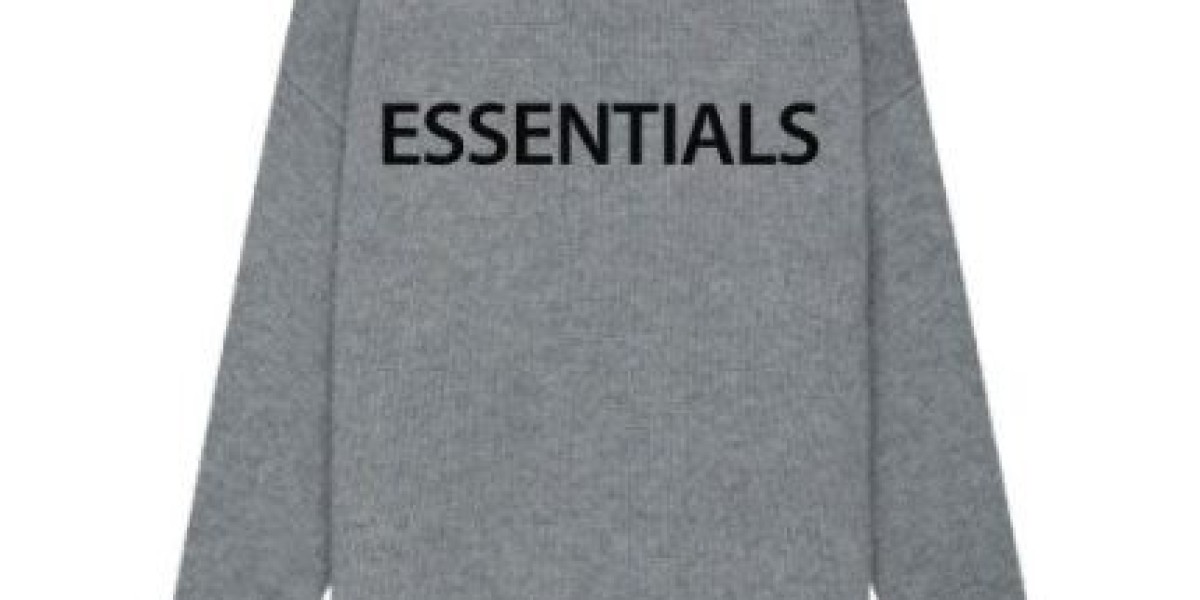
The popularity of the essentials hoodie reflects the growing importance of versatile garments within contemporary streetwear culture. Hoodies combine everyday comfort with a relaxed silhouette that works across different personal styles. They can be worn with denim, casual trousers, or coordinated sweatpants, making them useful foundations for a variety of outfits. Neutral colors offer additional flexibility, while oversized cuts and carefully selected fabrics create different visual effects. The modern hoodie also illustrates how familiar clothing can become a defining feature of a fashion movement when designers refine its proportions and presentation. Consumers increasingly value garments that provide both practical functionality and a recognizable aesthetic, helping hoodies maintain their place within evolving everyday wardrobes.
The Influence of Music and Youth Culture
Music has played a significant role in shaping streetwear aesthetics and the cultural meaning of everyday apparel. Hip-hop, punk, electronic music, and other creative movements have introduced distinctive clothing combinations and influenced how people use fashion to express identity. Artists often establish recognizable visual styles through footwear, accessories, graphic designs, and relaxed silhouettes. Fans may adopt similar elements to communicate shared interests or a connection with a particular cultural community. This relationship extends beyond individual garments because music also influences brand collaborations, visual campaigns, and fashion events. As these cultural connections travel between countries and generations, they contribute to the continuing development of streetwear. Everyday apparel therefore serves not only practical purposes but also provides a way for people to participate in broader cultural conversations.
Relaxed Silhouettes and Modern Proportions
Relaxed silhouettes have transformed the appearance of contemporary casualwear. Oversized sweatshirts, dropped shoulders, wide-leg trousers, and roomy outerwear offer freedom of movement while creating distinctive proportions. These shapes challenge older expectations that clothing should always follow the body's natural outline. Modern streetwear encourages experimentation with volume, allowing consumers to combine loose garments with more structured pieces. For example, wide trousers can be balanced with a simpler top, while an oversized sweatshirt can be paired with straight-leg denim. Successful styling depends on considering garment length, fabric weight, and overall balance. Relaxed silhouettes have become popular because they support comfort and individual expression while giving designers new ways to reinterpret familiar everyday garments.
The Growing Importance of Fabric Quality
Fabric quality influences how everyday apparel feels, performs, and maintains its appearance over time. Cotton-rich materials are popular for their softness and breathability, while fleece-backed fabrics provide additional warmth in cooler conditions. Blended textiles can offer stretch, durability, or improved shape retention depending on their composition. The weight of a fabric also affects the way a garment falls, making it an important consideration for relaxed silhouettes. Heavier materials may create a more structured appearance, whereas lighter fabrics can be useful for layering and warmer weather. Consumers should also consider stitching, seam finishing, and care instructions when evaluating clothing. As casualwear becomes more prominent in contemporary fashion, material quality plays an increasingly important role in combining comfort with a refined appearance.
Streetwear and the Influence of Fear of God
The wider influence of fear of god reflects the growing connection between streetwear aesthetics and elevated everyday fashion. Contemporary clothing increasingly combines familiar casual garments with considered proportions, restrained colors, and attention to construction. This approach encourages consumers to view hoodies, sweatshirts, and relaxed trousers as important parts of a complete wardrobe rather than items reserved for lounging. The emphasis is often placed on how a garment fits, how its material feels, and how easily it can be coordinated with other pieces. Such design principles have contributed to the popularity of understated casualwear across different fashion markets. They also demonstrate how streetwear can evolve beyond its original influences while maintaining its emphasis on comfort, individuality, and practical everyday use.
The Evolution of Sweatpants in Everyday Fashion
Sweatpants have moved far beyond their traditional association with exercise and homewear. Modern designs feature different cuts, materials, and finishing details that make them suitable for a broader range of casual outfits. Tapered versions offer a more streamlined appearance, while straight-leg and wide-leg designs reflect the growing popularity of relaxed proportions. Consumers can combine sweatpants with T-shirts, hoodies, lightweight jackets, or structured outerwear to create different looks. Neutral colors make coordination easier, while fabric texture can add subtle visual interest. The development of essential sweatpants reflects this broader change in consumer preferences, where comfort and versatility have become important considerations in everyday clothing. Their continued popularity shows how functional garments can evolve int







