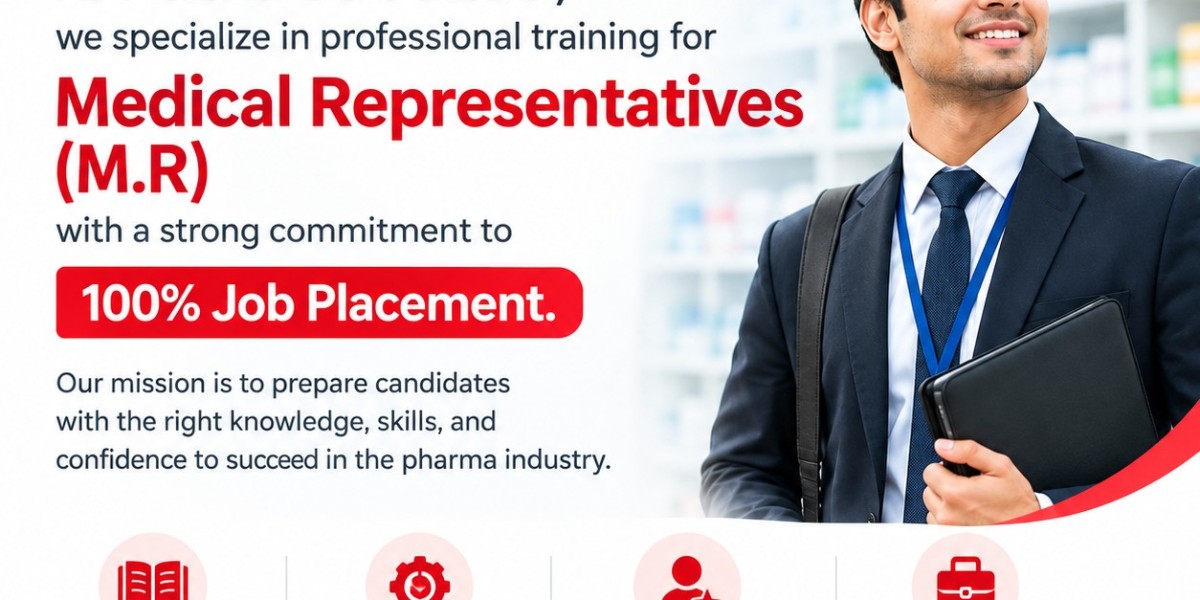

Getting your first job can be difficult when vacancies ask for experience and you are just starting your career. This is a common concern for people interested in pharmaceutical sales. You may have completed your studies, be comfortable talking to people, and want to enter the pharma industry—but not know how to get started without previous experience.
The good news is that some companies consider freshers for entry-level Medical Representative (MR) positions. Requirements differ between employers, so it is important to read each vacancy carefully. Candidates can improve their readiness by learning about the role, practising communication, preparing a clear resume, and understanding basic pharmaceutical product information.
A Medical Representative Job is a field-based role that involves communicating product information to healthcare professionals, maintaining professional relationships, and working towards company objectives. You do not need to pretend that you have experience. Instead, show employers that you understand the work and are prepared to learn.
1. Understand What an MR Does
Before applying, learn what the job involves. A Medical Representative generally visits doctors, clinics, hospitals, or pharmacies in an assigned area to share approved information about pharmaceutical products.
Depending on the company and product range, daily responsibilities may include:
Planning and completing professional visits
Explaining product information accurately
Responding to questions within the limits of approved materials
Maintaining visit records and reports
Gathering relevant market feedback
Following company policies and ethical requirements
Working towards sales and activity targets
The job is not simply about convincing someone to buy a product. It requires accurate communication, preparation, respectful professional conduct, and regular field work.
Understanding these responsibilities will help you decide whether an MR role suits your interests and working style.
2. Check the Eligibility Requirements
There is no single qualification accepted by every pharmaceutical company. Some vacancies prefer B.Pharm, D.Pharm, or life-sciences graduates, while others may accept candidates with different educational backgrounds.
Before applying, check:
The minimum education listed in the vacancy
Whether freshers are eligible
The required location or territory
Whether field travel is part of the role
Any language or communication requirements
Whether the employer expects a driving licence or other specific documents
Do not assume that every company has the same criteria. If you do not meet a stated requirement, look for another vacancy where your education and skills are a better match.
3. Learn the Basics of the Pharmaceutical Industry
You do not need to know every medicine before applying, but basic familiarity with the industry can help you feel more prepared.
Start by understanding common pharmaceutical terms, dosage forms, product categories, and the difference between a brand name and an active ingredient. If your education included biology, chemistry, or pharmacy, revise the topics relevant to the roles you are applying for.
Use reliable educational material and company-approved product information. Avoid learning from random posts that make unsupported claims about medicines.
An MR must communicate product information accurately and should not give medical advice outside their role. Showing that you take accuracy seriously can be a positive point in an interview.
4. Consider a Medical Representative Training Course
A medical representative training course can help freshers understand the practical side of the job. Course content varies, so review the syllabus before enrolling.
Useful topics may include:
Introduction to pharmaceutical sales
Basic product knowledge and medical terminology
Product detailing and presentation practice
Communication and professional behaviour
Territory planning and visit scheduling
Reporting and field-work basics
Interview preparation and resume guidance
Training is most useful when it includes practice—not just classroom explanations. Ask whether learners can participate in mock detailing, role-play, presentations, and interview exercises.
A course may help you prepare, but a certificate alone does not guarantee a job. Employers still assess your qualifications, communication, attitude, and suitability for the vacancy.
5. Build Communication Skills Through Practice
Clear communication is important in a Medical Representative Job role. You may need to introduce yourself, explain product information, listen carefully, and respond professionally.
You can practise even before joining a course:
Choose a simple topic you understand.
Explain it aloud in one or two minutes.
Avoid unnecessary technical words.
Practise listening and answering questions.
Record yourself and notice where you speak too quickly or lose clarity.
You do not have to sound like an experienced salesperson. Aim to be clear, respectful, and prepared.
If you speak more than one language, mention the languages you can use professionally. They may be helpful in certain territories, depending on the employer’s requirements.
6. Prepare a Fresher Resume That Shows Your Strengths
A fresher resume should be straightforward and honest. You do not need to fill it with unrelated information or claim experience you do not have.
Include:
Your name and contact details
Educational qualifications and passing years
Relevant subjects, projects, or internships
Communication, presentation, and organisational skills
Any genuine training or certificates
Languages you can use professionally
A short career objective related to pharmaceutical sales
If you have worked on a college presentation, volunteered, coordinated an event, or completed a relevant project, describe what you actually did. These experiences may demonstrate preparation, teamwork, or communication—even if they were not pharma jobs.
Avoid adding fake experience, inflated skills, or certificates you have not earned.
7. Apply for Fresher and Trainee Vacancies
Use more than one channel when looking for a Medical Representative Job MR Job opportunity.
You can check:
Pharmaceutical company career pages
Reputable job portals
College placement offices and alumni networks
Verified recruitment agencies
Professional contacts in the pharma industry
Training institutes that provide clearly described placement assistance
Search using phrases such as “Medical Representative Fresher,” “MR Trainee,” “Pharma Sales Trainee,” or “Entry-Level Medical Representative.” Check the location, qualification, and experience requirements before sending your resume.
Keep a simple record of the companies you apply to, the vacancy details, and any follow-up dates. This makes it easier to prepare if an employer contacts you.
8. Prepare for Common Interview Questions
Interviewers may want to know whether you understand the role and can communicate confidently. Practise answering questions such as:
Why do you want to become a Medical Representative?
What do you understand about the MR role?
Are you comfortable with field visits and travel?
How would you prepare before meeting a healthcare professional?
What would you do if you did not know the answer to a product question?
How do you organise your day or manage several tasks?
For questions about product information, be honest about what you know. A responsible answer might explain that you would check the approved product material or ask your manager rather than guess.
9. Show That You Are Ready for Field Work
MR jobs commonly involve travelling within an assigned territory. Employers may ask whether you can plan visits, manage time, maintain records, and work towards targets.
Think about the practical side before accepting a position. Ask about the territory, expected travel, working hours, reporting arrangements, training period, and reimbursement policies.
During an interview, you can use examples from your studies or other responsibilities to show that you are organised and dependable. You do not need previous pharma experience to demonstrate punctuality, preparation, and willingness to learn.
10. Ask the Right Questions About the Job Offer
If you receive an offer, read it carefully before accepting. Confirm the company name, designation, location, responsibilities, salary structure, incentives, travel allowance, and probation or training terms.
Ask how new employees are trained and who will support you during your initial field work. Find out how performance is evaluated and what targets may apply.
Be cautious if someone demands an unexplained payment in exchange for a guaranteed job. Verify the employer and recruitment process, and do not share passwords, OTPs, or banking security details.
11. Keep Learning After You Join
The first few weeks in an MR role may involve learning product information, company procedures, territory details, and how to conduct professional visits.
Listen to experienced colleagues, take notes, review approved materials, and ask questions when something is unclear. Accept feedback on your communication and field planning.
With time, you may become more confident in product detailing, professional interactions, reporting, and territory management. Career progression depends on performance, company opportunities, and your continued development; it is not automatic.
Conclusion
Getting an MR job without previous pharma experience is possible when you find vacancies open to freshers and prepare for the responsibilities involved. Start by checking eligibility, learning what the role requires, practising communication, and creating an honest resume.
A suitable medical representative training course may help you gain practical familiarity with product detailing, field planning, and interviews. Then apply to relevant entry-level vacancies and prepare to explain why you are interested in the work.
If you are looking for a Medical Representative Job MR Job opportunity, remember that you do not need to claim experience you lack. Show that you are informed, professional, willing to travel where required, and ready to learn. These are meaningful steps towards beginning a career in pharmaceutical sales.