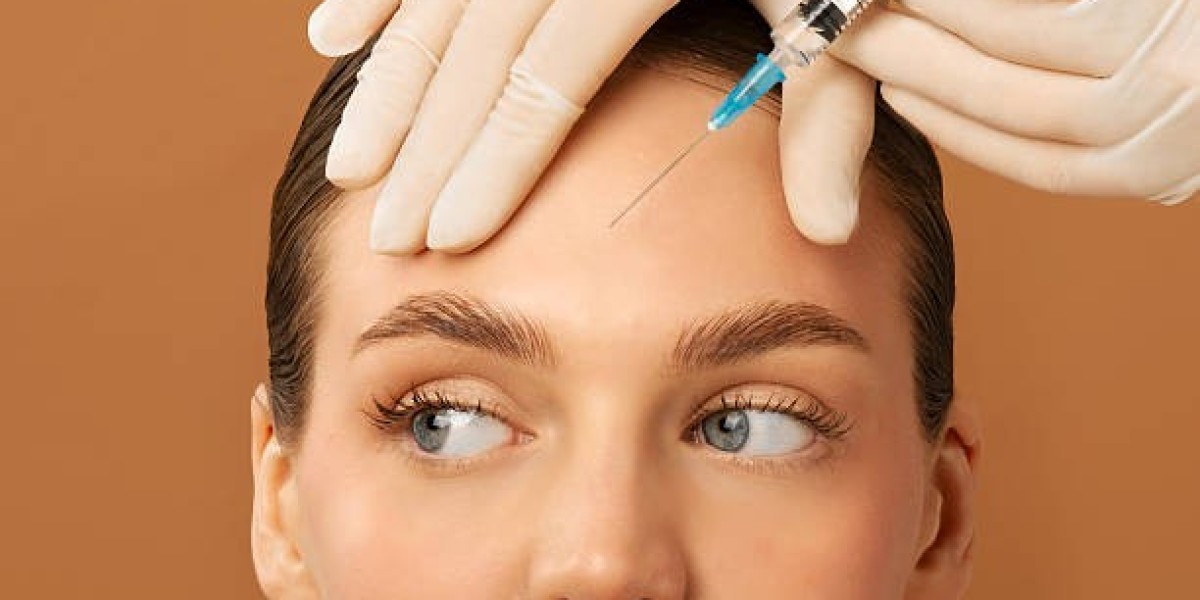

Dermal fillers are popular non-surgical treatments for restoring facial volume, softening certain wrinkles, and enhancing features such as the lips, cheeks, and chin. However, many people wonder what happens when the effects gradually fade. Will the skin become loose, will wrinkles return, or will the face look older than before treatment? In most cases, temporary dermal fillers gradually break down, and the treated area slowly returns toward its natural appearance. Dermal fillers in Riyadh (الحشوات الجلدية في الرياض) may help people achieve a refreshed look, but understanding how results change over time can help set realistic expectations and support informed decisions.
The experience varies depending on the filler material, the treatment area, the amount injected, and individual factors. Some people notice a gradual reduction in fullness, while others see changes more clearly after several months. Fillers do not stop the natural aging process, and their effects are not permanent. Knowing what to expect when they wear off can help you decide whether to maintain your results, explore other options, or allow your face to return to its natural contours.
What Does It Mean When Dermal Fillers Wear Off?
Dermal fillers are injectable products that add volume beneath the skin or provide support to selected facial tissues. Many commonly used fillers contain hyaluronic acid, a substance naturally found in the body that helps retain moisture and maintain tissue volume.
When a temporary filler wears off, the body gradually breaks down and absorbs the material. The added volume decreases over time, so the treated area may slowly return toward its pre-treatment appearance. This process generally happens gradually rather than overnight.
Different fillers behave differently. Hyaluronic acid fillers are temporary, while some other products stimulate collagen production or may remain in tissues for longer periods. Therefore, the way results fade depends on the specific product used.
What Happens to Your Face When Fillers Wear Off?
Facial Volume Gradually Decreases
One of the most noticeable changes is a gradual reduction in the fullness created by the filler. For example, lips may become less full, cheeks may lose some of their enhanced contour, and facial folds may become more visible again.
This does not usually mean that the face suddenly loses its natural volume. Instead, the added effect diminishes as the filler breaks down.
Wrinkles and Folds May Reappear
Fillers can soften certain wrinkles and folds by restoring volume beneath the skin. When the filler gradually disappears, the original lines may become more noticeable again.
The extent of this change depends on the cause of the wrinkles. Lines associated with volume loss may become more pronounced, while wrinkles caused mainly by repeated muscle movements may require a different treatment approach.
Facial Features Return Toward Their Natural Shape
Fillers can enhance features such as the lips, cheeks, chin, and jawline. As the material breaks down, these areas gradually lose some of the added definition or volume.
The outcome depends on the amount of filler used and the person's natural facial structure. Some changes may be subtle, while others may be more noticeable in areas where filler created a significant difference.
Skin Does Not Usually Become Loose Because Filler Wears Off
A common concern is that the skin will sag or become stretched after the filler disappears. In general, temporary dermal fillers do not cause the skin to suddenly become loose when they wear off.
The treated area may look less full than it did immediately after treatment, which can create the impression of looseness. However, natural aging, skin elasticity, and changes in facial fat also influence the appearance of the skin.
Will Your Face Look Worse After Dermal Fillers Wear Off?
For most people, the face gradually returns toward its natural appearance as temporary fillers break down. Wearing off does not automatically mean that the skin will look worse or that wrinkles will become deeper than they were before treatment.
Several factors can influence how the face looks afterward, including natural aging during the treatment period, changes in body weight, the original degree of volume loss, and how much filler was injected.
In some cases, people may feel that their face looks less youthful after the filler fades because they have become accustomed to the fuller appearance. This is not necessarily evidence of damage or accelerated aging.
If you notice persistent lumps, unusual swelling, discoloration, or changes that concern you, consult a qualified medical professional rather than assuming the filler has simply worn off.
How Long Do Dermal Fillers Take to Wear Off?
There is no single timeline for every filler. The duration depends on the product, treatment area, injection technique, and individual metabolism.
Hyaluronic Acid Fillers
Hyaluronic acid fillers gradually break down as the body processes the material. Many provide visible results for several months or longer, depending on the formulation and location. Movement in areas such as the lips and the characteristics of the product can influence how long results remain noticeable.
Collagen-Stimulating Fillers
Some fillers, such as poly-L-lactic acid and calcium hydroxylapatite products, work partly by stimulating collagen production. Their effects may continue even as the original material changes or is absorbed. As a result, the fading process may differ from that of hyaluronic acid fillers.
Factors That Influence Longevity
The duration of results may be affected by the filler type, the area treated, the amount used, facial movement, and individual biological differences. A practitioner can explain the expected duration of a particular product, although the exact timeline cannot be guaranteed.
Can Dermal Fillers Leave Permanent Changes?
Although many fillers are temporary, the effects and risks depend on the material used. Certain products are designed to last longer, and some are not easily reversible.
In some cases, the treatment may also cause complications or tissue changes that persist after the filler itself has diminished. These are not the expected outcome of routine filler wear-off, but they highlight why appropriate product selection and professional treatment are important.
If you have had previous filler treatments, keep a record of the product and treatment areas. This information can help a clinician assess changes and plan future treatments safely.
Should You Get More Fillers When the Results Fade?
You do not need to repeat treatment simply because the original filler has worn off. Whether to have another session depends on your preferences, facial changes, medical suitability, and the advice of a qualified practitioner.
When Maintenance Treatment May Be Considered
Some people choose additional treatment when they want to maintain a particular level of volume or contour. A practitioner should reassess the face before recommending more filler, rather than automatically repeating the same amount.
When Waiting May Be Better
If you are uncertain about further treatment, allowing the filler to fade may help you reassess your natural appearance and goals. Additional injections are not always necessary, and repeated treatment should be approached carefully to avoid excessive fullness or other complications.
Dermal fillers in Riyadh may be an option for people seeking facial rejuvenation, but decisions about maintenance should be based on an individual assessment, not a fixed schedule or pressure to maintain a particular look.
How to Care for Your Skin as Fillers Wear Off
Good skincare can support overall skin health as the effects of fillers gradually diminish. Although skincare cannot prevent the filler from breaking down, healthy habits may help maintain the appearance and condition of your skin.
Apply broad-spectrum sunscreen regularly to help protect against ultraviolet damage.
Use a gentle cleanser and moisturizer suited to your skin type.
Maintain a balanced diet and stable, healthy lifestyle habits.
Avoid smoking, which can contribute to premature skin aging.
Follow professional advice if you are considering another injectable or skin treatment.
If your main concern is skin texture, pigmentation, or fine surface lines, a practitioner may discuss treatments other than fillers that better address those concerns.
When Should You Consult a Professional?
A consultation is useful if you are unsure whether your filler has worn off, are considering another treatment, or notice changes in the treated area. A qualified practitioner can assess whether the change is part of the expected fading process or whether further evaluation is needed.
Seek prompt medical attention if you experience severe or unusual pain, significant skin discoloration, or visual symptoms after filler injections. These signs can indicate a serious complication and should not be attributed to normal wear-off.
Book a Consultation at Royal Clinic Saudia
If your dermal filler results are fading or you are considering maintaining your facial volume, a professional consultation can help you understand your options. At Royal Clinic Saudia (عيادات رويال كلينك), discuss your aesthetic goals with a qualified practitioner and learn whether additional filler, another treatment, or no further intervention is appropriate. A personalized plan can help you make an informed decision while prioritizing safety and natural-looking results.
FAQs:
Does your face sag when dermal fillers wear off?
The face does not usually sag simply because temporary filler wears off. Instead, the added volume gradually decreases, and the treated area returns toward its natural appearance. Natural aging and skin elasticity also influence how the face looks.
Do wrinkles become worse after dermal fillers disappear?
Wrinkles may become noticeable again as the filler fades, but they do not automatically become worse than before treatment. The appearance depends on the original concern, natural aging, and other changes that occur over time.
Can I leave dermal fillers to wear off naturally?
Yes. Many temporary fillers gradually break down without intervention. You do not need to repeat treatment unless you choose to and a qualified practitioner determines that it is appropriate.
How do I know when it is time for another filler treatment?
There is no universal schedule. Consider your preferences, the extent to which the results have faded, and advice from your practitioner. A review can help determine whether additional treatment is suitable or whether waiting is the better option.