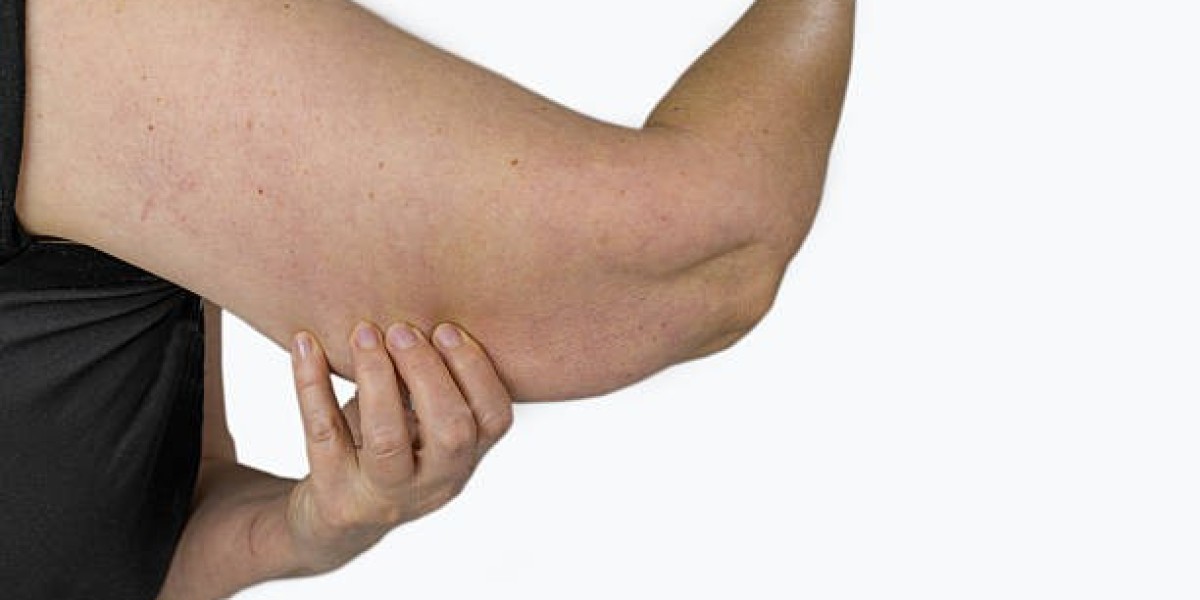

After surgery, many patients look forward to returning to their regular fitness routines. However, understanding when and how to exercise safely is essential for protecting the healing tissues and achieving the best possible results.
For individuals considering Arm Lift Surgery in Riyadh, recovery planning is an important part of the surgical journey. Patients researching procedures and related treatments, including arm lipo near me cost, should also understand that recovery timelines vary depending on the technique used, the extent of surgery, and individual healing progress. Following professional aftercare instructions can help reduce complications and support a smoother recovery.
When Is It Safe to Exercise After Arm Lift Surgery?
Returning to exercise after an arm lift requires patience. Although gentle movement is often encouraged soon after surgery, strenuous workouts and upper-body exercises must wait until the surgical incisions have healed sufficiently.
The First Week After Surgery
During the first week, rest and proper wound care should be your priorities. Short, gentle walks may be recommended to encourage circulation and reduce the risk of blood clots. However, avoid lifting heavy objects, stretching your arms excessively, or performing activities that place pressure on the surgical area.
Your surgeon may recommend compression garments to support the arms and help manage swelling. Keep your incisions protected and follow all instructions regarding dressings, bathing, and arm positioning.
Two to Three Weeks After Surgery
During the next few weeks, swelling and discomfort may gradually improve. Some patients can increase their walking duration if their recovery is progressing normally. However, this does not mean that the arms are ready for resistance training or strenuous physical activity.
Avoid exercises that pull on the incisions, including push-ups, weightlifting, and vigorous stretching. Your recovery plan should be based on your surgeon's assessment rather than a fixed timeline.
Four to Six Weeks After Surgery
Some patients may be able to resume selected low-impact activities during this period, provided their incisions are healing well and their surgeon approves. Gentle lower-body exercises may be possible, but activities that involve gripping weights, supporting body weight with the arms, or swinging the upper body may still be restricted.
Do not assume that reduced swelling means the deeper tissues have completely healed. Gradual progression is essential to avoid unnecessary strain.
Six to Eight Weeks and Beyond
Many patients can gradually return to more demanding exercise around six to eight weeks after surgery, although some require additional recovery time. Upper-body strength training, swimming, and high-intensity workouts should only resume when your surgeon confirms that it is safe.
Begin with light resistance and shorter sessions. Increase intensity gradually, and stop if you experience pain, pulling sensations, or renewed swelling.
Which Exercises Are Best During Recovery?
Walking and Gentle Movement
Walking is often one of the most suitable activities during early recovery. It promotes circulation without placing significant strain on the arms. Start with short walks and increase your duration according to your comfort and medical instructions.
Lower-Body Workouts
Once approved, selected lower-body exercises may help you maintain your fitness while your arms heal. Choose activities that do not require lifting weights, gripping equipment, or placing pressure on your upper body.
Returning to Strength Training
Resume strength training only after receiving medical clearance. Begin with light resistance and controlled movements, avoiding exercises that stretch the incisions or cause discomfort. Your surgeon can guide you on when to increase the weight and intensity safely.
Tips for a Smooth Recovery After Arm Lift Surgery
Following your postoperative instructions is essential for achieving a satisfactory outcome. Keep the incision areas clean and dry as directed, wear compression garments when recommended, attend follow-up appointments, and avoid smoking because it can interfere with wound healing.
Maintain a balanced diet with adequate protein, vitamins, and fluids to support tissue repair. Get sufficient sleep and avoid comparing your recovery with someone else's experience. Each patient heals differently, and rushing back into exercise can increase the risk of wound separation, bleeding, or prolonged swelling.
Seek prompt medical attention if you develop increasing redness, worsening pain, fever, unusual drainage, or sudden swelling. Chest pain or shortness of breath requires emergency medical evaluation.
Frequently Asked Questions
1. How soon can I walk after arm lift surgery?
Gentle walking is often encouraged within the first day after surgery, depending on your condition and your surgeon's instructions. Start slowly and avoid activities that strain your arms.
2. When can I lift weights after arm lift surgery?
Many patients need to avoid weightlifting for approximately six to eight weeks or longer. Your surgeon should confirm when your incisions and underlying tissues are sufficiently healed.
3. Can exercise affect my arm lift results?
Yes. Returning to strenuous exercise too early may increase swelling, place tension on incisions, and interfere with healing. Following a gradual, medically approved exercise plan helps protect your results.
4. When can I return to the gym after arm lift surgery?
Some patients can resume selected activities within several weeks, while full gym routines may take six to eight weeks or longer. The appropriate timing depends on your healing progress and medical clearance.
5. What should I do if my arms hurt during exercise?
Stop the activity and rest. Contact your surgical team if the pain persists, worsens, or occurs with swelling or changes around the incisions. Do not push through discomfort during recovery.
Plan Your Arm Lift Consultation
Understanding the recovery process before surgery can help you prepare for a safer and more comfortable experience. At Enfield Royal Clinic, patients can seek guidance about arm contouring procedures, postoperative care, and suitable timelines for returning to daily activities. Schedule a consultation to discuss your goals, understand your recovery requirements, and develop a personalized treatment plan that prioritizes your health and results.