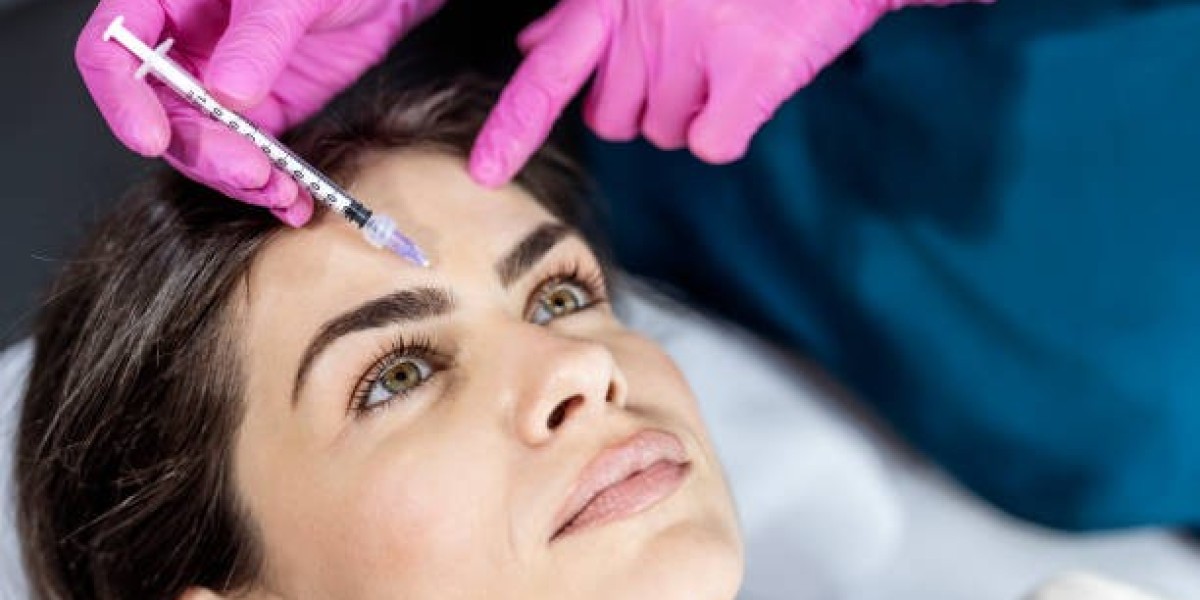

Botox injections are among the most recognized non-surgical cosmetic treatments for reducing the appearance of expression lines and achieving a refreshed look. Despite their popularity, many misconceptions surround how Botox works, how safe it is, and what people can realistically expect from treatment. Understanding the difference between myths and facts can help you make informed decisions about your aesthetic goals. For people researching Botox injections in Riyadh (حقن البوتوكس في الرياض), learning about the treatment process, potential benefits, and possible side effects is an important step before arranging a consultation. Accurate information can also help you avoid unrealistic expectations and choose a qualified medical professional.
Some people believe Botox always creates a frozen expression, while others assume it permanently removes wrinkles or is suitable for everyone. In reality, Botox temporarily reduces activity in selected muscles, and its results depend on factors such as the treatment area, dose, injection technique, and individual response. Botox injections in Riyadh may be suitable for adults who want to soften certain dynamic wrinkles, but treatment requires professional assessment and careful planning. Separating common myths from medical facts helps clarify what this treatment can and cannot do.
What Is Botox and How Does It Work?
Botox is a brand name for a prescription product containing botulinum toxin type A. It works by temporarily blocking the release of acetylcholine, a chemical messenger that helps muscles contract. When injected into specific muscles, it reduces their activity and can soften wrinkles caused by repeated facial expressions.
Common Areas Treated With Botox
Botox is commonly used to address forehead lines, frown lines between the eyebrows, and crow's feet around the eyes. Depending on the product and clinical assessment, botulinum toxin may also be used for certain medical conditions. Cosmetic treatment should always be tailored to the individual's facial anatomy, concerns, and medical history.
How Long Do Results Last?
Cosmetic results commonly last around three to four months, although the duration varies. The effects gradually fade as normal communication between nerves and muscles returns. Botox does not permanently eliminate wrinkles or stop the natural aging process.
Myth: Botox Always Makes Your Face Look Frozen
Fact: Results Depend on the Treatment Plan
A frozen appearance is not an inevitable outcome of Botox. The result depends on the amount used, injection placement, muscle strength, and practitioner's technique. A carefully planned treatment aims to soften selected lines while preserving appropriate facial movement.
However, excessive dosing or unsuitable placement can reduce natural movement or cause an unwanted appearance. Discuss your preferences with a qualified practitioner and explain whether you want subtle changes or more noticeable wrinkle reduction.
Myth: Botox Is Only for Older Adults
Fact: Suitability Depends on Individual Needs
There is no universal age at which everyone should begin Botox. Some adults seek treatment for visible expression lines, while others choose not to use injectables at all. Age alone does not determine whether treatment is appropriate.
Preventive Botox is sometimes discussed for people with early dynamic lines, but evidence that starting injections early prevents wrinkles over the long term remains limited. A consultation can help determine whether treatment is likely to offer a meaningful benefit for your particular concerns.
Myth: Botox Permanently Removes Wrinkles
Fact: Botox Provides Temporary Improvement
Botox temporarily reduces the muscle movements that contribute to certain expression lines. As the effect wears off, muscle activity returns and wrinkles may gradually become noticeable again.
It is also important to understand that not all wrinkles are caused by muscle movement. Fine lines related to sun damage, changes in skin texture, and loss of skin elasticity may not respond fully to Botox. A practitioner can help distinguish dynamic wrinkles from other concerns and discuss appropriate options.
Myth: Botox Is Extremely Painful
Fact: Most Injections Cause Only Brief Discomfort
Botox is usually administered using a fine needle, and most people experience a brief pinching sensation or mild discomfort during the injections. The experience varies depending on the treated area and individual sensitivity.
Temporary redness, tenderness, swelling, or small bruises may occur around injection sites. If you are anxious about needles or have previously experienced a reaction, tell your practitioner before treatment so they can explain what to expect.
Myth: Botox Is Unsafe for Everyone
Fact: Safety Depends on Medical Suitability and Proper Administration
Botox is an established prescription treatment when used appropriately by qualified professionals. However, it is not risk-free and may not be suitable for everyone. Your medical history, medications, previous reactions, and any neuromuscular conditions should be reviewed before treatment.
Possible side effects include headache, bruising, temporary muscle weakness, eyelid or eyebrow drooping, and facial asymmetry. Rarely, serious symptoms such as difficulty swallowing, speaking, or breathing can occur. Seek urgent medical attention if these symptoms develop after an injection.
People who are pregnant or breastfeeding should discuss the lack of sufficient safety information before considering elective Botox treatment. Always use a qualified medical professional and avoid injections from unlicensed providers.
Myth: You Must Keep Getting Botox Once You Start
Fact: Repeat Treatment Is Optional
Botox does not usually create a physical requirement to continue treatment. If you decide not to receive further injections, the effects gradually wear off and muscle movement returns toward its usual pattern.
Some people choose repeat treatments to maintain the cosmetic result, while others prefer to wait or stop altogether. The decision should reflect your preferences, response to treatment, and professional advice rather than pressure to maintain a particular appearance.
Myth: Botox and Dermal Fillers Are the Same
Fact: They Work in Different Ways
Botox reduces activity in selected muscles to soften dynamic wrinkles. Dermal fillers are injectable products commonly used to restore volume, enhance facial contours, or improve certain static folds, depending on the product and treatment area.
Although both are used in aesthetic medicine, they are not interchangeable. Some concerns may respond better to one treatment than the other, and some may be managed with non-injectable options. A qualified practitioner can explain which approach, if any, suits your goals.
Myth: Botox Requires a Long Recovery Period
Fact: Most People Return to Daily Activities Quickly
Cosmetic Botox is generally performed as an outpatient procedure, and most people resume normal activities soon afterward. Mild injection-site redness or bruising may occur, and the full cosmetic result usually takes several days to develop.
Your practitioner may give specific aftercare instructions, including guidance about rubbing the treated area and when to resume strenuous activity. Follow those instructions rather than assuming every person requires the same restrictions.
Myth: Skincare Products Can Produce the Same Effect as Botox
Fact: Skincare and Botox Address Different Concerns
Moisturizers, sunscreen, and certain topical ingredients can support skin hydration, texture, and protection from premature aging. They do not temporarily reduce facial muscle activity in the same way Botox does.
Daily broad-spectrum sunscreen, gentle cleansing, and a suitable skincare routine can complement cosmetic treatment. However, whether Botox is appropriate depends on the type of wrinkles you want to address and your personal preferences.
How to Make an Informed Decision About Botox
If you are considering Botox injections in Riyadh, choose a qualified medical professional who can assess your facial anatomy, medical history, and expectations. Ask about the product being used, expected results, possible side effects, and how the treatment plan will be personalized.
Avoid choosing a provider based solely on promotional claims or promises of permanent wrinkle removal. A responsible practitioner should explain the limitations of Botox, discuss alternatives, and allow you to decide without pressure. You should also feel comfortable asking questions before agreeing to any procedure.
Book Your Consultation at Royal Clinic Saudia
If you want to learn more about Botox and whether it may suit your aesthetic concerns, Royal Clinic Saudia (عيادات رويال كلينك) can help you explore your options. Arrange a consultation to discuss your goals, understand the potential benefits and risks, and receive professional guidance tailored to your needs.
FAQs:
Does Botox change your natural facial expressions?
Botox can reduce movement in treated muscles, but a carefully planned treatment aims to preserve appropriate expression. Excessive dosing or unsuitable placement may cause unwanted restriction of movement.
How soon can I see results after Botox injections?
Some changes may appear within several days, while the full cosmetic effect commonly develops within approximately 10–14 days. Timing varies from person to person.
Can Botox prevent all future wrinkles?
No. Botox may reduce certain muscle-related expression lines while it is effective, but it cannot prevent every wrinkle or stop natural aging, sun damage, or changes in skin elasticity.
Is Botox suitable for first-time patients?
It may be suitable for some first-time patients, provided a qualified professional confirms that treatment is appropriate. A consultation should cover medical history, expectations, alternatives, and possible side effects before any injections are administered.