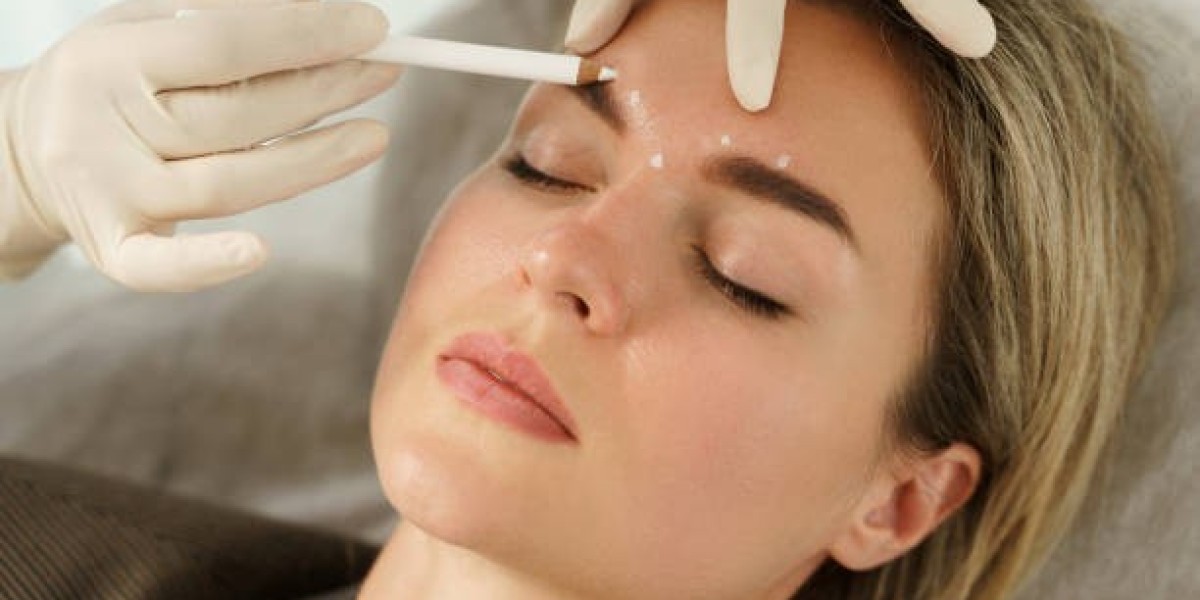

Botox Injections in Riyadh deliver their most impressive results when the treatment areas are chosen thoughtfully rather than by default. Two people can walk into the same clinic with the same request and walk out with entirely different treatment plans—and that's exactly how it should be. This guide explains what actually determines which areas get treated and why personalized planning matters so much.
Your Facial Movement Patterns Come First
The starting point for any treatment plan is how your face moves. Your provider watches you raise your brows, frown, squint, smile, and purse your lips, noting which muscles activate and how forcefully. This assessment reveals where lines originate rather than simply where they appear on the surface.
A crease visible in one spot may actually be caused by a muscle pulling from somewhere else entirely. Treating the visible line without addressing its source often produces disappointing results. Movement analysis ensures the injections target the cause, not just the symptom.
The Balance Between Muscle Groups
Facial muscles work in opposing pairs and groups. Some lift, some lower, some pull inward, and some pull outward. When Botox Injections in Riyadh relax one muscle, its opposing partner may gain relative strength, subtly shifting your expression.
This is why treatment areas are never chosen in isolation. Relaxing the forehead without considering the brow elevators can leave the brows sitting lower. Treating crow's feet without accounting for the lower eyelid support may affect how the eye closes. A skilled injector always evaluates the surrounding muscles before deciding what to treat.
Your Individual Anatomy
No two faces share identical anatomy. Muscle size, fiber direction, skin thickness, and underlying bone structure all vary. Someone with a broad, strong frontalis muscle needs wider treatment coverage than someone with a narrower muscle. A patient with prominent cheekbones may show lines differently than one with a flatter mid-face.
Anatomy also influences how much product each area requires. A larger, more powerful muscle needs more units to relax effectively, while a smaller muscle needs very little. Dosing by formula rather than by anatomy is one of the most common reasons results look uneven or artificial.
Your Concerns and Priorities
What bothers you matters as much as what your provider observes. Someone may have prominent forehead lines but care mostly about the frown lines between their brows. Another might be bothered by crow's feet while barely noticing their forehead.
A good consultation includes a frank conversation about priorities. Your provider can explain which areas will yield the most noticeable improvement and which may need a combination approach. If your expectations don't match what Botox can realistically achieve in a given area, that's important to know before treatment rather than after.
Age and Prevention Goals
Age shapes treatment strategy considerably. Younger patients often focus on prevention, treating muscles before lines become etched into the skin. In these cases, smaller doses across targeted areas may be enough to keep creases from setting in.
Older patients typically address established lines, which may require different placement and sometimes higher doses. Deep grooves that remain visible at rest may need fillers or skin resurfacing alongside Botox. The same face at different ages calls for different plans.
Previous Treatments and History
Your treatment history influences what comes next. If you've had Botox before, your provider will want to know where, how much, and how your muscles responded. Some patients develop antibodies over time that reduce effectiveness, while others find their muscles weaken gradually and need less product.
Past fillers, facial surgery, or dental work can also alter muscle behavior and tissue structure. Sharing your complete history helps your provider interpret what they see and plan accordingly.
Why Asymmetry Requires Special Attention
Most faces are not perfectly symmetrical, and muscle activity often differs from one side to the other. One brow may sit higher, one side of the mouth may turn down slightly, or one forehead line may be deeper. Treatment plans must account for these differences.
Correcting asymmetry requires deliberately unequal dosing—more on the stronger side, less on the weaker one. Without careful assessment, a symmetrical dose can actually make the imbalance more noticeable rather than less.
The Role of Provider Expertise
Ultimately, determining the best treatment areas depends on the judgment of your injector. Experience teaches practitioners to recognize patterns, anticipate how muscles will respond, and avoid placements that could cause unwanted effects. This is a skill built over hundreds of treatments, not learned from a chart.
When consulting a provider, ask how they decide which areas to treat and whether they adjust plans based on movement rather than routine. A practitioner who explains their reasoning and welcomes questions is generally one who treats with genuine care.
Book Your Appointment Today
Want a Botox plan built around your face rather than a template? Royal Clinic Saudi specializes in Botox Injections in Riyadh with detailed movement assessment and personalized treatment mapping for every patient. Their experienced team considers your anatomy, priorities, and history before recommending any area for treatment. Contact Royal Clinic Saudi today to schedule your consultation and receive a plan designed specifically for you.
FAQs:
Why do treatment areas differ between people?
Because muscle patterns, anatomy, and concerns vary from face to face.
Can I request specific areas only?
Yes, though your provider may suggest related areas for balanced results.
Does age change which areas get treated?
Yes. Younger patients often focus on prevention, older ones on established lines.
How does asymmetry affect my plan?
Doses may differ on each side to balance uneven muscle activity.







