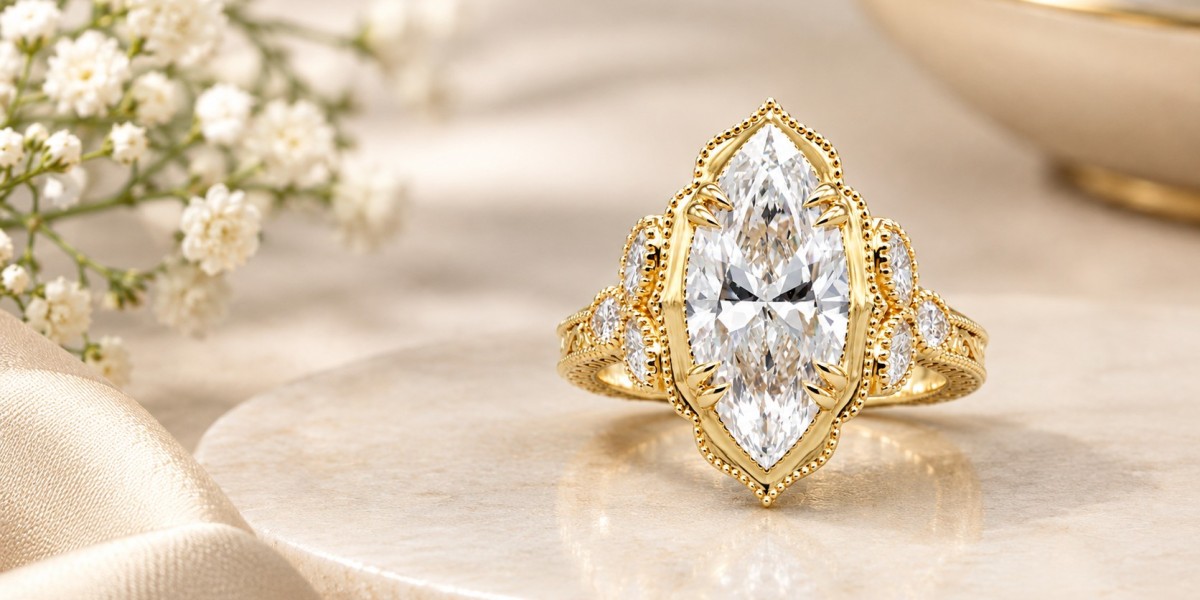

Buying an engagement ring for the first time can feel like a major decision. There are diamond shapes, settings, metals, sizes, certifications, and prices to consider, and it is easy to become overwhelmed by the number of choices. The good news is that you do not need an enormous budget to find a beautiful ring. With careful shopping and a clear idea of what matters most, engagement rings under $2000 can offer attractive designs and quality stones while keeping spending under control.
For first-time buyers, the best approach is to understand where your money is going before choosing a particular ring. A lower price does not automatically mean poor quality, and a higher price does not always mean a better choice. Knowing the basics can help you select a ring that suits your partner and your budget.
Start With a Realistic Budget
Before looking at rings, decide how much you are comfortable spending. A $2,000 budget should include the ring itself and, depending on the seller, possible costs such as taxes, resizing, shipping, or additional services.
It is better to choose a budget based on your own financial situation rather than following an old rule about how much an engagement ring should cost. An engagement ring is an important purchase, but it should not create unnecessary financial pressure.
Once your budget is clear, shopping becomes easier. You can immediately narrow your search to designs that fit your price range.
Understand What Affects Diamond Price
The diamond usually has a major effect on the cost of an engagement ring. Four factors are commonly discussed when evaluating diamonds: carat weight, color, clarity, and cut.
Carat Weight
Carat refers to the weight of a diamond, not simply its visible size. Two diamonds with similar carat weights can look different depending on their shape and proportions.
If size is important to you, consider diamond shapes that can appear larger from the top. Oval, pear, and marquise diamonds, for example, can provide strong visual coverage for their carat weight.
Color
Diamond color describes how much body color a stone shows. You do not necessarily need the highest color grade to get an attractive diamond.
The appearance of the stone can also be influenced by the metal surrounding it. White metals may make color differences easier to notice, while yellow or rose gold can work well with diamonds that have slightly more visible warmth.
Clarity
Clarity refers to internal and external characteristics in a diamond. Higher clarity grades generally cost more, but a diamond does not have to receive the highest grade to look clean to the unaided eye.
For a first-time buyer, looking for an eye-clean stone can be more practical than paying a premium for a clarity grade that is difficult to distinguish without magnification.
Cut
Cut is particularly important because it affects how effectively a diamond interacts with light. A well-cut stone can have strong visual appeal even when you choose a smaller carat weight.
When comparing diamonds, do not focus only on the number shown beside carat weight. Look at the stone as a whole and consider its proportions, cut quality, and appearance.
Choose a Shape That Matches Her Style
The diamond shape is one of the first things people notice about an engagement ring. If you know your partner's preferences, use them as your starting point.
A round diamond is a popular choice because of its familiar shape and wide selection of settings. Oval diamonds offer an elongated appearance and can create a distinctive look without requiring an exceptionally high carat weight.
Pear-shaped diamonds combine a rounded end with a pointed tip, while emerald-cut diamonds have long, clean facets that create a different visual effect. Cushion and radiant cuts are also worth considering if your partner prefers something less traditional.
When shopping for engagement rings under 2000, choosing the right shape can help you make the most of the available budget.
Consider Lab-Grown Diamonds
Lab-grown diamonds can be a practical option for buyers working with a fixed budget. They have the same basic chemical composition and crystal structure as diamonds formed naturally, while their pricing can allow buyers to consider different sizes or designs within the same spending limit.
If you are considering a lab-grown stone, check whether it comes with a grading report from a recognized gemological laboratory. The report can provide information about the diamond's characteristics and help you compare different stones.
For many first-time buyers, lab-grown diamonds are worth researching because they can provide additional choices when shopping within a specific price range.
Pick the Right Ring Setting
The setting holds the diamond in place and contributes significantly to the overall appearance of the ring. Different settings also offer different levels of protection.
A solitaire setting places the focus on one center diamond and can be a practical choice when you want to put more of the budget toward the main stone.
A halo setting surrounds the center stone with smaller diamonds. This can create the appearance of a larger center design while adding additional detail to the ring.
Three-stone settings feature a center diamond with two side stones. They can carry personal meaning and offer a balanced appearance.
A bezel setting surrounds the diamond with a metal rim. It can provide additional protection around the stone and is worth considering for someone who prefers a clean profile or has an active lifestyle.
Select a Metal Carefully
The metal can affect both the appearance and price of an engagement ring. Common choices include yellow gold, white gold, rose gold, and platinum.
Yellow gold has a warm appearance and pairs well with many diamond shapes. White gold offers a bright, neutral appearance, while rose gold has a pink-toned finish.
Platinum is naturally white and is known for its durability, but it can cost more than some gold options. If you are shopping with a $2,000 limit, comparing metal choices can help you decide where to allocate your budget.
Also consider the jewelry your partner already wears. If she normally wears yellow-gold earrings, necklaces, or bracelets, a yellow-gold engagement ring may fit naturally with her existing collection.
Look at the Ring From Different Angles
Online shopping gives buyers access to a large range of diamond engagement rings under $2000, but product photographs should not be your only source of information.
Look closely at the ring's specifications. Check the center stone's carat weight, shape, color, clarity, and cut information. Review the metal type, setting details, ring width, and available sizes.
If videos or multiple photographs are available, use them to examine the ring from different angles. A ring that looks attractive in one photograph may have a different appearance when viewed from the side or at a different angle.
Also read the seller's policies before placing an order. Pay attention to returns, exchanges, resizing, warranties, and shipping.
Think About Her Everyday Lifestyle
An engagement ring is normally worn regularly, so her lifestyle should influence your choice.
If she works with her hands frequently, participates in sports, or prefers jewelry that does not catch easily on clothing, a lower-profile setting may be worth considering.
Someone who rarely wears rings may prefer a simple design that is easy to wear. Someone who already enjoys statement jewelry may prefer a design with additional stones or distinctive details.
The most suitable ring is not necessarily the most expensive one. It is the one that fits her preferences and works well with her daily routine.
Explore Engagement Rings for Women Under $2000
When searching for engagement rings for women under $2000, it helps to compare several design categories rather than immediately choosing the first ring you like.
Consider:
- Solitaire rings for a focused center-stone design
- Halo rings for additional surrounding stones
- Three-stone rings for a meaningful arrangement
- Bezel settings for a secure, low-profile design
- Hidden-halo rings for extra detail beneath the center stone
- East-west settings for an unusual horizontal arrangement
You can also explore engagement rings for women under $2000 by comparing different diamond shapes, metal colors, and settings. This makes it easier to identify which features matter most to you.
Do Not Ignore the Band Design
The band may seem like a small part of the purchase, but it has a noticeable effect on the finished ring. Look at its width, shape, texture, and how it meets the center setting.
A narrow band can place more attention on the center stone, while a wider band can provide a stronger visual presence. Some buyers prefer plain bands, while others like pavé or other small-stone details.
Think about the wedding band too. Some engagement ring settings sit neatly beside a straight wedding band, while others may require a contoured or specially shaped band.
Planning for both rings early can help prevent surprises later.
Compare Prices Before Buying
One of the easiest ways to make a $2,000 budget work harder is to compare several options before making a decision.
Do not compare rings based only on their total price. Look at what is included in that price. Compare diamond specifications, certification, metal type, setting, craftsmanship, warranty, return policy, and resizing options.
For example, two rings may have similar prices but very different center stones. Another ring may cost slightly more but include a better grading report or a setting that better suits the intended wearer.
For buyers researching diamond rings under 2000, comparing the complete specifications is more useful than comparing price alone.
Consider Certification and Documentation
If you are purchasing a diamond, documentation can help you understand exactly what you are buying. A grading report provides information about the stone's characteristics and can make comparisons between diamonds easier.
Check that the information on the product page matches the documentation provided with the diamond. If something is unclear, contact the seller before purchasing rather than making assumptions.
This is especially useful for first-time buyers who may not yet be comfortable interpreting diamond specifications.
Think Beyond the Center Stone
It is easy to spend most of your time comparing diamonds and forget about the rest of the ring.
The setting needs to be properly made and suitable for the center stone. Prongs should hold the stone securely, the band should feel comfortable, and the ring should be available in the correct size.
If you are unsure about the ring size, ask someone close to your partner for help or discreetly check a ring she already wears on the intended finger. Avoid guessing when possible because resizing may not be possible for every design.
How to Make a $2,000 Budget Work
A 2000 engagement ring budget can be easier to manage when you decide which features are priorities.
For example, you may choose to spend more on the center diamond and select a simpler band. Another buyer may prefer a more detailed setting with a slightly smaller center stone.
There is no single correct combination. The right balance depends on what your partner values most.
If diamond size is your priority, compare different shapes and consider lab-grown options. If the setting is more important, look at designs where the band and surrounding stones create the main visual effect.
Where to Start Your Search
First-time buyers should begin with a short list rather than browsing hundreds of rings without a plan. Decide your maximum budget, preferred metal, diamond shape, setting style, and whether you are open to lab-grown diamonds.
Then compare a few carefully selected rings.
Antiquecut is one option buyers can consider when researching different engagement ring designs and price points. The goal should be to find a ring that combines the features you value most without exceeding your planned budget.
Final Thoughts
Buying your first engagement ring does not have to be complicated. Start with your budget, learn the basic diamond characteristics, choose a suitable shape and setting, and think about how the ring will fit your partner's lifestyle.
The market for engagement rings under $2000 includes many different styles, so take your time comparing specifications instead of choosing based only on photographs or price. Whether you prefer a simple solitaire, a detailed halo, a bezel setting, or another design, careful research can help you find a ring that feels right without stretching your finances.
A thoughtful purchase is less about reaching a particular price point and more about choosing a ring that reflects the person who will wear it.









