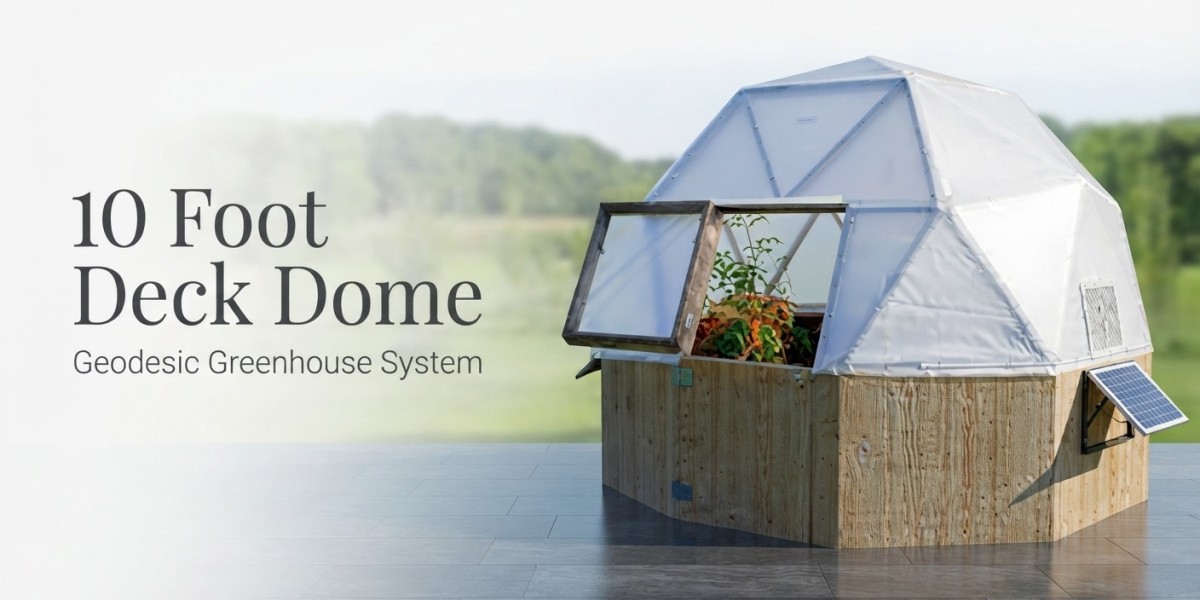

Maintaining a comfortable growing environment is an important part of successful greenhouse gardening. A 10 foot Dome Greenhouse provides a compact space for growing herbs, vegetables, flowers, and other plants, but temperatures can change quickly when sunlight, outdoor weather, and airflow vary. With a few practical adjustments, gardeners can create more stable conditions for their plants throughout the year.
Understanding how heat enters, moves through, and leaves the structure helps gardeners make better decisions about ventilation, watering, and plant placement.
Understand How Temperature Changes Inside a Small Greenhouse
A greenhouse collects solar energy during the day, allowing the growing area to become warmer than the surrounding outdoor environment. On sunny days, temperatures can rise quickly, especially when the doors or vents remain closed.
At night, the structure may lose heat as the outside air cools. These changes can affect plant growth, flowering, and water requirements.
Gardeners using a 10 foot Dome Greenhouse should monitor both daytime and nighttime temperatures. A simple thermometer placed near plant height provides useful information about the conditions plants experience. A thermometer with minimum and maximum readings can also show how much temperatures fluctuate between checks.
Use Ventilation to Release Excess Heat
Ventilation is one of the most practical ways to manage greenhouse temperature. When warm air becomes trapped inside, opening a door or available vents allows some of that heat to escape and encourages fresh air to circulate.
During warm weather, check temperatures early in the day. If the interior is warming too quickly, open the available ventilation points before excessive heat builds up. Closing them too early can trap warm air, so continue monitoring conditions as the day progresses.
A small fan can help circulate air in areas where movement is limited. However, air circulation and ventilation serve different purposes. A fan moves air around the interior, while an opening allows hot air to leave and fresh air to enter.
Manage Sunlight During Hot Weather
Sunlight is essential for healthy plant growth, but intense afternoon exposure can create excessive heat. The amount of shade needed depends on the crops being grown, the local climate, and the season.
Shade cloth can reduce direct solar exposure during particularly hot periods. Choose a suitable shade level for the plants rather than blocking too much sunlight. Leafy greens and some cool-season crops may benefit from more protection than sun-loving vegetables.
In a 10 foot Dome Greenhouse, plant placement can also influence heat exposure. Keep heat-sensitive plants away from areas that become especially warm, and avoid placing containers where they block ventilation openings.
Adjust Watering to Changing Temperatures
Plants often use water more quickly during hot weather because moisture evaporates from the growing medium and leaves lose water through transpiration. However, watering too frequently can leave roots sitting in saturated soil.
Check the growing medium before watering instead of following a fixed schedule every day. Containers may dry faster on warm, sunny days and remain moist for longer during cool or cloudy weather.
Watering in the morning is often useful because plants have access to moisture before daytime temperatures rise. Apply water around the root zone and make sure containers have adequate drainage.
For a 10 foot Dome Greenhouse, grouping plants with similar water needs can make daily care easier. It also helps prevent plants with lower water requirements from receiving excessive moisture.
Reduce Temperature Fluctuations During Cooler Months
Cold weather requires a different approach. During sunny winter days, the greenhouse can still warm up, but temperatures may drop considerably after sunset.
Close doors and vents when outside temperatures fall, while maintaining enough ventilation to manage excess humidity when conditions allow. Check the greenhouse before nightfall so you can make adjustments before the interior becomes cold.
Thermal mass can help moderate temperature changes. Water containers placed in a suitable location absorb some heat during the day and release it gradually as the surrounding air cools. This can reduce fluctuations, although it will not replace proper heating when plants require warmer conditions.
If additional heating is necessary, use equipment designed for greenhouse environments and follow the manufacturer's safety instructions. Avoid improvised heating methods that may create fire or carbon monoxide risks.
Choose Plants That Suit the Available Conditions
Not every plant grows well at the same temperature. Tomatoes, peppers, leafy greens, and herbs have different preferences, and some tolerate heat or cool conditions better than others.
Before planting, check the recommended temperature range for each crop. Group plants with similar requirements so the growing environment can be managed more consistently.
A 10 foot Dome Greenhouse has limited space, so selecting crops that match the local climate and the structure's seasonal conditions can reduce unnecessary temperature-control work. If summer heat becomes difficult to manage, consider growing heat-tolerant crops during that period and reserving cooler months for suitable alternatives.
Monitor Humidity Along With Temperature
Temperature and humidity are closely connected. Warm air can hold more moisture, while cool surfaces and nighttime temperature drops can encourage condensation. Excessive humidity and poor airflow may increase the risk of certain plant diseases.
Check for moisture collecting on the covering, leaves remaining wet for long periods, or stagnant air around dense foliage. Space plants appropriately, remove damaged leaves, and use ventilation when conditions permit.
Keep a simple record of temperature readings, watering, and ventilation adjustments. Over time, these observations can help you recognize patterns and respond before conditions become unsuitable for your plants.
For gardeners comparing growing structures and accessories, Dome Greenhouses offers a starting point for reviewing dome greenhouse options and planning a growing setup suited to available space and local weather.
Final Thoughts
Managing temperature in a small greenhouse depends on regular observation and timely adjustments. Ventilation, shade, careful watering, suitable plant selection, and protection during cold weather all contribute to a more consistent growing environment.
A 10 foot Dome Greenhouse can support productive gardening when its conditions are monitored throughout the day and across changing seasons. By keeping track of temperature and humidity, gardeners can respond to changing weather and provide plants with conditions that better match their needs.
Frequently Asked Questions
1. How hot can a 10 foot Dome Greenhouse become?
The temperature depends on outdoor weather, sunlight, ventilation, and the greenhouse covering. On sunny days, the interior can become much hotter than the outside air, so regular monitoring is important.
2. What is the easiest way to cool a small greenhouse?
Opening available vents or doors to release hot air is a practical first step. Shade cloth and improved air circulation can also help when temperatures rise.
3. Should I leave my greenhouse vents open all day?
Not necessarily. Ventilation needs change with the weather. Open vents when heat builds up, but adjust them when conditions become cold, windy, or otherwise unsuitable for the plants.
4. How can I keep greenhouse plants warm at night?
Close suitable openings before temperatures fall, use water containers as thermal mass where practical, and consider safe greenhouse heating if the plants need additional warmth.
5. How often should I check greenhouse temperature?
Check at least in the morning and during the warmest part of the day. Additional checks during cold nights or sudden weather changes can help you identify temperature problems early.









