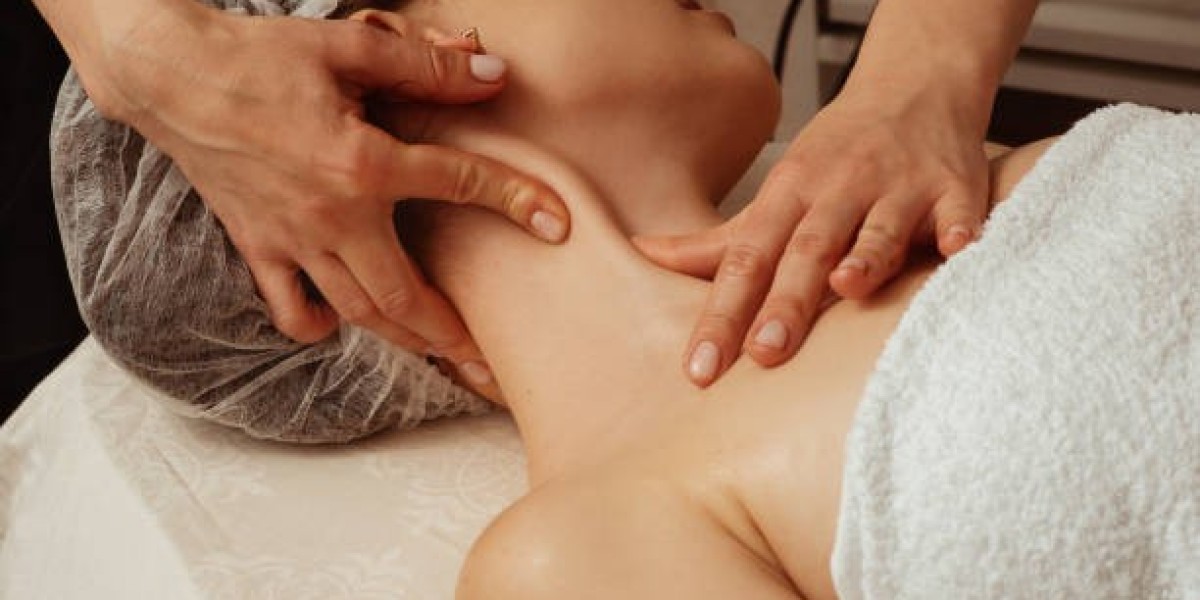

Swelling can develop when excess fluid accumulates in the body's tissues, causing areas such as the arms, legs, or other body regions to feel tight or heavy. Lymphatic massage is a gentle technique designed to encourage lymph fluid movement and may help manage certain swelling-related conditions. People researching Lymphatic massage in Riyadh (مساج لمفاوي) can benefit from understanding how the treatment works, when it may be appropriate, and which precautions are important before starting a session.
What Causes Swelling in the Body?
Swelling, also known as edema, occurs when fluid builds up in body tissues. It may result from prolonged sitting or standing, injury, certain medications, circulation problems, or underlying medical conditions. The lymphatic system normally collects excess tissue fluid and helps return it to the bloodstream.
Understanding Lymphedema
Lymphedema is a specific type of swelling associated with impaired lymphatic drainage. It may develop when lymphatic vessels or nodes are damaged, removed, or unable to function effectively. Some people develop lymphedema following cancer treatment or surgery, while others may have an inherited or acquired lymphatic condition.
Because different conditions can cause similar symptoms, persistent swelling should be assessed by a healthcare professional before treatment is selected.
How Lymphatic Massage May Help With Swelling
Lymphatic massage, also called manual lymphatic drainage (MLD), uses light, rhythmic movements to encourage lymph flow through superficial lymphatic vessels. Unlike traditional massage, which may involve deeper pressure to address muscle tension, this technique uses gentle strokes and follows specific lymphatic pathways.
Encouraging Fluid Movement
A trained practitioner applies controlled movements to selected areas to support the movement of lymph toward functioning drainage pathways. The sequence depends on the location of swelling, the person's health, and the condition being treated.
Manual lymphatic drainage may help some people manage swelling associated with lymphedema. However, it is not suitable for every cause of edema and should not be used as a substitute for diagnosing an underlying medical problem.
Supporting a Broader Treatment Plan
For diagnosed lymphedema, lymphatic massage may be one part of a comprehensive approach that includes compression garments or bandaging, appropriate exercise, skin care, and ongoing medical monitoring. These measures are selected according to individual needs and may be more effective together than massage alone.
Potential Benefits of Lymphatic Massage for Swelling
The benefits of Lymphatic massage in Riyadh depend on the cause and severity of swelling, the person's overall health, and the treatment plan recommended by a qualified professional.
May Reduce Feelings of Tightness and Heaviness
Fluid accumulation can make affected areas feel uncomfortable, tight, or heavy. Some people experience relief when manual lymphatic drainage is used appropriately as part of their care. The degree of improvement varies, and treatment may need to be repeated under professional guidance.
May Help Manage Certain Postoperative Swelling
Some healthcare professionals recommend lymphatic drainage after selected surgical procedures to help manage swelling during recovery. However, the technique and timing must be approved by the treating surgeon. It may be unsuitable during particular stages of healing or when complications are present.
May Support Comfort and Mobility
When swelling is reduced, some individuals may find movement and daily activities more comfortable. The extent of any improvement depends on the underlying condition, and lymphatic massage should not be expected to restore mobility in every case.
What Happens During a Lymphatic Massage Session?
A session usually begins with a review of your symptoms, medical history, medications, and any recent procedures. The practitioner assesses whether lymphatic drainage is appropriate and determines which areas may be treated.
Gentle Massage Techniques
During treatment, the practitioner uses light, rhythmic movements on selected areas of the body. The pressure should be gentle rather than forceful, and the sequence depends on the individual's needs. The session should not involve painful manipulation.
Aftercare and Expected Results
Some people notice temporary changes in swelling or comfort after a session, while others experience little immediate improvement. The number of sessions needed depends on the condition and the advice of the treating professional. Follow any recommended plan for compression, exercise, or skin care, and report worsening symptoms promptly.
Who Should Avoid Lymphatic Massage?
Lymphatic massage in Riyadh may be appropriate for some people with diagnosed lymphatic conditions, but it is not suitable for everyone. People with suspected blood clots, active infections, or certain heart or kidney conditions should seek medical guidance before treatment.
Sudden or unexplained swelling should be assessed before massage, especially when it affects one limb. Seek urgent medical care if swelling is accompanied by significant pain, redness, or warmth. Chest pain or shortness of breath requires emergency medical attention.
How to Choose a Qualified Provider
Choose a practitioner with appropriate training in manual lymphatic drainage and experience managing the type of swelling you have. Ask about the treatment method, expected outcomes, potential risks, and whether coordination with your doctor is necessary.
Be cautious of claims that lymphatic massage permanently removes fat, guarantees weight loss, or eliminates toxins. Its role is to support fluid movement in suitable circumstances, not to replace medical treatment or the body's normal waste-processing functions.
Book a Consultation at Royal Clinic Saudia
If you are considering Lymphatic massage in Riyadh, Royal Clinic Saudia ( عيادات رويال كلينك ) can be a starting point for discussing your concerns and learning about appropriate treatment options. A consultation can help clarify whether lymphatic drainage may suit your needs and explain relevant safety considerations. If swelling is persistent, unexplained, or related to a recent procedure, consult your treating healthcare professional before beginning massage.