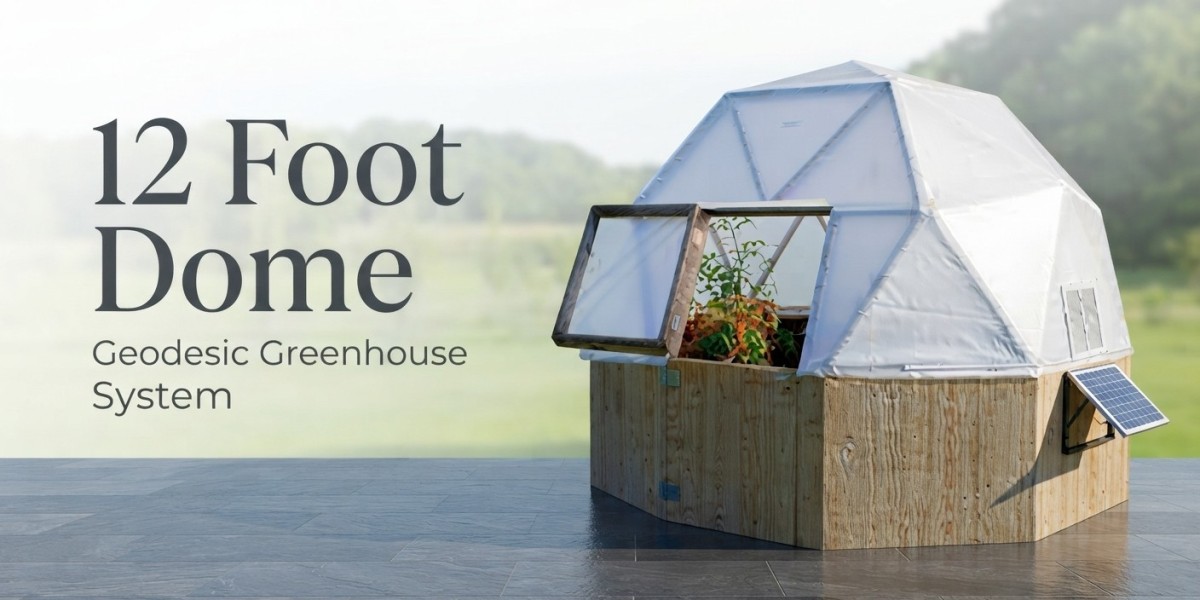

A well-planned planting schedule can make gardening easier and help you use available growing space more efficiently. When growing plants in a compact greenhouse, timing matters because each crop has different requirements for sunlight, temperature, water, and growing space. A 12 Foot Dome can provide a dedicated area for growing herbs, leafy greens, and selected vegetables when the planting plan matches the local climate and seasonal conditions.
Instead of planting everything at once, gardeners can organize crops according to their growth stages and expected harvest times. This approach helps prevent overcrowding and makes routine greenhouse care more manageable.
Understand Your Growing Conditions
Before preparing a planting schedule, consider the conditions inside your greenhouse and the weather in your area. Temperature, daylight hours, humidity, and ventilation all influence how quickly plants grow.
Some vegetables perform better during cooler weather, while others need warmer conditions to develop properly. Leafy greens, for example, often grow well in cooler temperatures, whereas tomatoes and peppers generally prefer warmer conditions.
Observe how much sunlight reaches your growing area throughout the day. A greenhouse covering may affect light levels, so monitor the conditions rather than assuming every part of the structure receives equal sunlight.
Keep a simple record of daily temperatures and plant development. These observations can help you adjust planting dates in future growing cycles.
Group Plants According to Their Growing Seasons
Organizing plants by season makes a planting schedule easier to follow. Cool-season crops and warm-season crops usually have different temperature preferences, so planning their growing periods can help you make better use of the available space.
Cool-season options may include:
Lettuce
Spinach
Radishes
Peas, where suitable supports and conditions are available
Warm-season options may include:
Tomatoes
Peppers
Cucumbers
Basil
These are general examples rather than fixed planting recommendations. The best choices depend on your local climate, greenhouse temperatures, and the varieties you select.
Before planting, check seed packet instructions for germination temperatures, spacing, and expected maturity. These details provide a useful starting point for building a schedule around your conditions.
Divide the Year Into Planting Periods
A practical planting schedule does not need to cover every crop at the same time. Divide the growing year into manageable periods based on local seasonal conditions.
During cooler periods, you might focus on leafy greens and other crops that tolerate lower temperatures. As conditions become warmer, you can transition to suitable warm-season vegetables. During extreme heat or cold, you may need to change the crop selection or provide additional protection.
Avoid relying only on calendar months because planting times vary between regions. Instead, use local planting guides, temperature records, and the needs of individual crops to determine when to sow seeds or transplant seedlings.
A simple calendar can include the crop name, sowing date, transplanting date, expected harvest period, and regular maintenance tasks. This keeps the growing process organized without making the schedule difficult to manage.
Use Succession Planting for Regular Harvests
Succession planting involves sowing small quantities of a crop at intervals rather than planting the entire amount at once. It can be especially useful in a compact greenhouse because it spreads out harvests and reduces the amount of produce maturing simultaneously.
For example, you could sow a small batch of radishes or suitable leafy greens, then sow another batch after an interval based on the crop's growth rate and available space.
Before starting another batch, check whether the previous planting is developing as expected. Adjust the interval if temperatures, light levels, or germination rates differ from your expectations.
Succession planting works best with crops that mature relatively quickly and can be harvested in stages. Make sure you have enough room for both growing plants and new seedlings before adding another batch to the schedule.
Plan Seed Starting and Transplanting Dates
Some vegetables are commonly started in seed trays before being moved into their final containers or growing beds. Others can be sown directly into the growing medium.
When preparing your schedule, record which crops need an indoor or protected seed-starting period and which can be planted directly. Follow the seed packet instructions to determine the appropriate timing and depth.
Seedlings should be moved only when they are sufficiently developed and the conditions suit the crop. Transplanting too early can expose young plants to unsuitable temperatures or other stresses.
Keep seed trays labeled with the crop name and sowing date. This makes it easier to track germination, compare growth rates, and identify which batches are ready for transplanting.
Match Plant Spacing to Your Dome Layout
A planting schedule should account for how much room each crop needs as it matures. Young seedlings may appear small, but mature plants can occupy considerably more space.
Plan the layout before transplanting. Place taller crops where they are less likely to shade smaller plants, and provide suitable support for varieties that climb or develop heavy stems.
Use the recommended spacing for each crop instead of trying to fit as many plants as possible into the greenhouse. Crowded plants can have less airflow, compete for light, and become harder to inspect and maintain.
In a 12-foot growing structure, it is useful to preserve accessible paths and working space. A layout that allows you to reach every container or bed can make watering, pruning, and harvesting more efficient.
Include Watering, Feeding, and Maintenance Tasks
Planting dates are only one part of a successful growing schedule. Regular maintenance should also be included so that plants receive consistent care throughout their growth stages.
Your weekly checklist might include:
Checking soil moisture before watering
Inspecting leaves and stems for signs of pests or disease
Removing dead or damaged plant material
Checking ventilation and greenhouse temperature
Reviewing whether plants need support or pruning
Applying suitable fertilizer according to crop requirements and product directions
Avoid giving every crop the same amount of water or fertilizer. Requirements differ according to plant type, container size, growing medium, and stage of development.
A short checklist can help you identify problems early and keep routine tasks from being overlooked.
Review Your Schedule After Every Harvest
A planting schedule should change as you gain experience. Once a crop has been harvested, note how well it performed, how long it took to mature, and whether the planting date suited the conditions.
If a crop developed slowly, consider whether temperature, light, watering, or variety selection affected its growth. If several plants matured at once and created more produce than you could use, adjust future sowing intervals.
Remove finished plants when appropriate and prepare the growing area for the next crop. Refresh containers or growing media when necessary, and clean tools before starting another planting cycle.
For more information about greenhouse growing options, Dome Greenhouses provides structures that gardeners can consider when planning a dedicated growing area. Choose a setup based on your available space, local weather, and long-term gardening goals.
Final Thoughts
A practical planting schedule helps gardeners manage time, growing space, and crop care more effectively. By grouping crops according to their seasonal needs, planning seed-starting dates, and using succession planting where suitable, you can create a routine that supports steady progress throughout the growing year.
A 12 Foot Dome can support a range of plants when the layout and schedule are suited to the crops being grown. Keep records, monitor growing conditions, and adjust the plan whenever your plants or local weather require a different approach.
Frequently Asked Questions
1. What should I include in a greenhouse planting schedule?
Include crop names, sowing dates, transplanting dates, expected harvest periods, spacing requirements, and regular maintenance tasks.
2. Can I grow different vegetables in a 12-foot dome?
Yes, you can grow different vegetables if their temperature, sunlight, spacing, and watering requirements are compatible with the available conditions.
3. What is succession planting?
Succession planting means sowing small batches of a crop at intervals so that harvests are spread over time rather than maturing all at once.
4. Should I start seeds before planting them in the greenhouse?
Some crops benefit from being started in seed trays, while others can be sown directly. Follow the instructions for the particular crop and variety.
5. How often should I update my planting schedule?
Review it regularly during the growing season and after each harvest. Record what worked well and adjust future planting dates based on actual growing conditions.