
An infected sebaceous cyst can cause redness, swelling, tenderness, and discomfort that interferes with everyday activities. Although many skin cysts are harmless, infection or significant inflammation may require prompt medical attention. Understanding sebaceous cyst removal helps patients recognize the warning signs of an infected cyst, explore appropriate treatment options, and learn how to care for the affected area. Early professional assessment can help identify complications, relieve discomfort, and determine whether drainage, medication, or surgical removal is appropriate for the individual's condition.
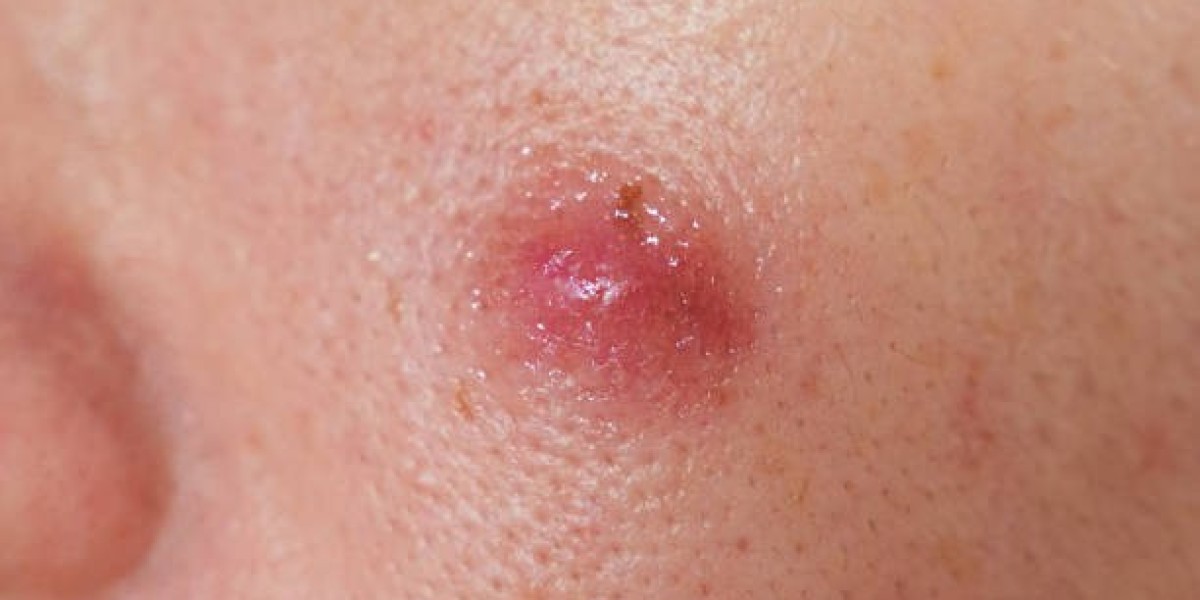
An infected cyst may look swollen, feel warm, or release thick material from the affected area. Some people may also experience increasing pain or redness around the lump. Learning about Sebaceous Cyst Removal in Riyadh helps patients understand why squeezing, puncturing, or cutting an infected cyst at home can worsen inflammation and increase the risk of complications. A qualified healthcare professional can examine the area, assess the severity of the infection, and recommend a treatment plan based on the cyst's size, location, and symptoms.
What Is an Infected Sebaceous Cyst?
A sebaceous cyst is a commonly used term for certain skin cysts, particularly epidermoid cysts, which contain keratin beneath the skin. When a cyst becomes inflamed or infected, the surrounding area may become painful, swollen, red, or warm. However, not every inflamed cyst is infected; a cyst can also become irritated when its contents leak into nearby tissue. A medical examination helps distinguish between these conditions and determine the appropriate treatment.
Common Signs and Symptoms of an Infected Cyst
Recognizing the symptoms of a potentially infected cyst can help you seek care at the right time. Watch for the following changes:
Redness and Warmth
The skin around the cyst may become red and warm to the touch. Spreading redness or rapidly worsening swelling requires prompt medical assessment.
Pain and Tenderness
An infected or inflamed cyst may become painful, especially when touched or pressed. Increasing discomfort should not be ignored.
Swelling and Discharge
The lump may enlarge or release thick, cloudy, or foul-smelling material. Avoid squeezing the area, as this may worsen irritation and introduce additional bacteria.
Fever or Feeling Unwell
Fever, chills, or feeling generally unwell alongside a suspected skin infection may indicate a more serious problem. Seek urgent medical attention if these symptoms occur.
What Causes a Sebaceous Cyst to Become Infected?
Cysts can develop when skin cells become trapped beneath the surface, often forming a sac that contains keratin. Infection may occur when bacteria enter the area through damaged skin or an opening in the cyst. A cyst can also rupture beneath the skin, causing inflammation that resembles infection. Repeated squeezing, scratching, or attempts at home removal may increase irritation and complications. Keeping the area protected and avoiding manipulation can help prevent further trauma while you arrange professional assessment.
Treatment Options for an Infected Sebaceous Cyst
Treatment depends on whether the cyst is infected, inflamed, or both. A healthcare professional will assess the area and recommend the most suitable approach.
Incision and Drainage
If the cyst has developed an abscess, a clinician may make a small incision to release accumulated pus and relieve pressure. This can help manage an acute infection, but it usually does not remove the entire cyst sac. Further treatment may be considered after the inflammation settles.
Antibiotics When Necessary
Antibiotics may be prescribed when a clinician identifies a bacterial infection that requires them, particularly if infection is spreading or accompanied by other concerning symptoms. They are not necessary for every inflamed cyst and should only be used as directed by a healthcare professional.
Complete Surgical Excision
Once the infection or inflammation has settled, the clinician may recommend surgical excision to remove the cyst and its surrounding sac. Removing the entire sac helps reduce the likelihood of recurrence. Immediate complete excision may not be appropriate when the cyst is severely inflamed, so treatment is individualized.
What Happens During Medical Treatment?
Treatment generally begins with an examination of the cyst and a review of relevant medical history. The clinician assesses the severity of inflammation, checks for signs of an abscess, and explains the recommended approach. If drainage is needed, the area is cleaned and local anesthesia may be used before the procedure. The wound is then dressed, and the patient receives instructions on cleaning the area, changing dressings, and attending follow-up appointments. The exact process depends on the condition of the cyst.
How to Care for an Infected Cyst
Proper care can help protect the affected area while you wait for treatment or recover after a procedure.
Keep the Area Clean
Follow your healthcare professional's instructions for cleaning and dressing the affected area. Wash your hands before handling dressings, and avoid applying unapproved creams or harsh substances.
Avoid Squeezing or Puncturing
Do not attempt to drain the cyst yourself. Squeezing or cutting the skin can worsen inflammation, cause tissue damage, and increase the risk of infection.
Follow Medical Instructions
Take prescribed medication exactly as directed and attend recommended follow-up appointments. Contact your clinician if symptoms worsen or the area does not improve as expected.
Recovery After Infected Cyst Treatment
Recovery depends on the severity of the infection and the treatment performed. After drainage, the wound may need regular dressing changes and monitoring. If complete surgical removal is performed later, healing may take several weeks, depending on the incision and individual circumstances. Mild tenderness may occur, but worsening pain, spreading redness, increased swelling, or persistent discharge should be assessed promptly. Follow your clinician's instructions and avoid activities that irritate the treated area.
When Should You Seek Urgent Medical Attention?
Seek prompt medical care if redness spreads quickly, pain becomes severe, swelling increases rapidly, or pus continues to accumulate. Fever, chills, or feeling generally unwell alongside a suspected infection also warrant urgent assessment. People with diabetes or weakened immune systems should seek medical advice early if a cyst appears infected. Do not delay treatment while trying home remedies, especially if symptoms are worsening.
Professional Care for Infected Cysts in Riyadh
When considering Sebaceous Cyst Removal in Riyadh, choose a qualified healthcare provider who can assess the infection, explain treatment options, and provide appropriate follow-up care. A professional can determine whether drainage, medication, or delayed surgical excision is suitable. Clear guidance on wound care and warning signs helps patients manage treatment safely and understand what to expect during recovery.
Book Your Appointment at Royal Clinic Saudia
If you have a red, swollen, painful, or draining skin lump, contact Royal Clinic Saudia to inquire about consultation availability. A healthcare professional can assess the affected area and advise you on appropriate treatment. If you have fever, rapidly spreading redness, or severe pain, seek urgent medical attention rather than waiting for a routine appointment.
FAQs:
Can an infected sebaceous cyst be removed immediately?
Sometimes, but severe inflammation may need treatment before complete removal.
Do all infected cysts require antibiotics?
No. Antibiotics are used when clinically indicated, depending on the infection.
Should I squeeze an infected sebaceous cyst?
No. Squeezing can worsen inflammation and increase complications.
How long does an infected cyst take to heal?
Healing varies with infection severity and treatment; your clinician can advise you.