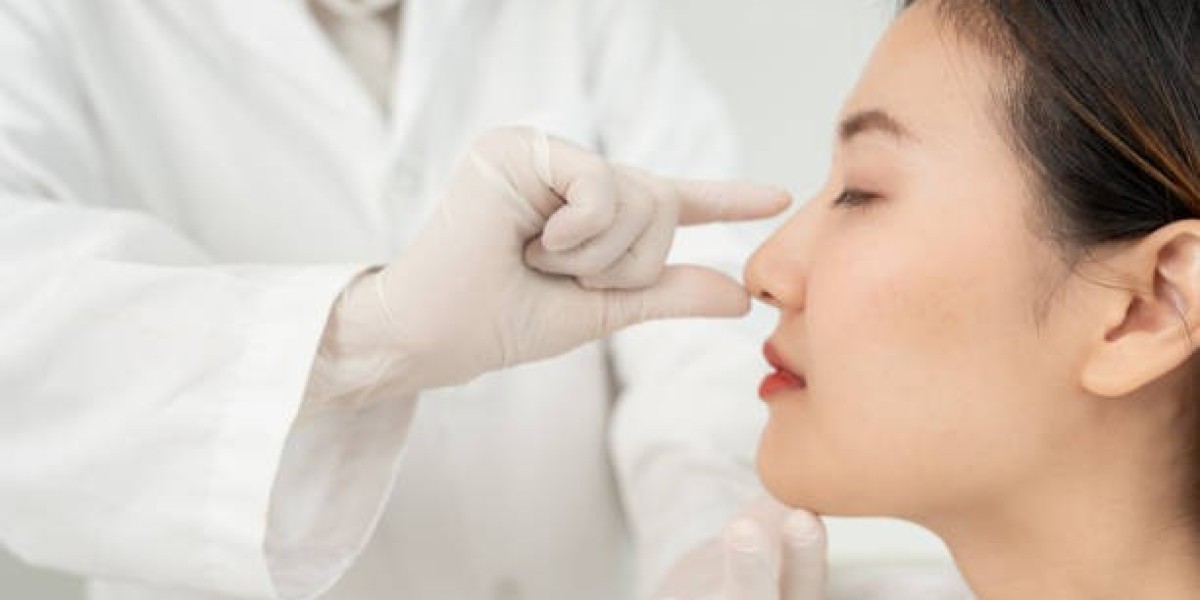

Thick nasal skin can influence the appearance and definition of the nose after surgery. Although rhinoplasty can reshape the underlying cartilage and bone, thicker skin may make subtle structural changes less visible, particularly around the nasal tip. Surgeons consider skin thickness when planning the procedure to achieve balanced, natural-looking results while preserving nasal function. For individuals considering Rhinoplasty in Riyadh (عملية تجميل الانف في الرياض), understanding how thick nasal skin is managed can help establish realistic expectations and support informed treatment decisions.
What Is Thick Nasal Skin?
Thick nasal skin refers to skin and soft tissue that create a fuller covering over the underlying nasal framework. It is often most noticeable around the tip, where it can make the nose appear rounded or less defined. Skin thickness varies naturally among individuals and may be influenced by genetics, oil gland activity, and the distribution of soft tissue.
How Does Thick Skin Affect Rhinoplasty Results?
Thicker skin can conceal small changes made to the cartilage beneath it. As a result, even when the surgeon carefully reshapes the nasal framework, the final tip may appear less sharply defined than it would in someone with thinner skin. Thick skin can also contribute to prolonged swelling, meaning the final result may take longer to become visible.
This does not mean rhinoplasty cannot improve a nose with thick skin. It means that the surgical approach and expected degree of refinement must be tailored to the individual's anatomy.
How Do Surgeons Assess Thick Nasal Skin?
Before surgery, the surgeon examines the skin, cartilage, nasal bridge, tip, and overall facial proportions. They may assess how much soft tissue covers the nasal framework and whether the underlying cartilage provides enough support to create the desired shape.
Evaluating Skin Thickness and Elasticity
The surgeon considers how the skin may adapt to changes in the nasal structure. Skin elasticity, tissue thickness, and the amount of soft tissue around the tip can all affect the final contour. This assessment helps the surgeon determine which changes are realistic and whether additional structural support may be beneficial.
Examining the Nasal Framework
The strength and shape of the cartilage beneath the skin are also important. If the framework is weak or poorly defined, the surgeon may consider techniques to strengthen or reshape it. The aim is to create a stable foundation that supports a more refined appearance without removing too much tissue.
Surgical Techniques for Managing Thick Nasal Skin
Surgeons use different techniques depending on the patient's nasal anatomy and goals. There is no single method suitable for everyone, and treatment planning should balance appearance, structural stability, and breathing function.
Strengthening and Reshaping Nasal Cartilage
Carefully reshaping the cartilage can improve the underlying nasal tip structure. In selected cases, sutures or cartilage grafts may provide additional support or definition. A stronger framework can help the skin settle over a more balanced shape, although thick skin may still limit how sharply the details appear.
Creating Appropriate Nasal Tip Definition
The surgeon may focus on improving the shape, projection, and rotation of the nasal tip. The objective is not necessarily to make the tip extremely narrow, but to create proportions that complement the rest of the face. Excessive cartilage removal can weaken the nose and may lead to irregularities or breathing problems, so conservative structural planning is important.
Managing Soft Tissue Carefully
In selected cases, a surgeon may address excess soft tissue beneath the skin. However, removing too much tissue can cause scarring, uneven contours, or other complications. The skin itself generally cannot simply be thinned to achieve a sharper tip. Any soft-tissue procedure must be carefully selected and performed by an experienced specialist.
Can Rhinoplasty Make a Thick-Skinned Nose Smaller?
Rhinoplasty may improve the nose's overall proportions and refine its shape, but the degree of visible change depends on the underlying framework and skin characteristics. A thick-skinned nose may look more balanced after surgery without becoming dramatically narrow or sharply defined.
Surgeons generally prioritise a natural result that suits the face. Discussing desired changes during the consultation helps establish what can realistically be achieved and reduces the risk of expecting a result that the skin cannot clearly display.
What Is Recovery Like With Thick Nasal Skin?
Swelling is expected after rhinoplasty, but it may take longer to settle around a thick-skinned nasal tip. The nose can initially appear fuller than anticipated, and definition often develops gradually over several months. In some patients, refinement continues for a year or longer.
Patients should follow postoperative instructions, attend follow-up visits, protect the nose from impact, and avoid judging the result too early. Any taping or other swelling-management technique should only be used as directed by the surgeon. Unapproved pressure or treatment may interfere with healing.
Are There Risks When Operating on Thick Nasal Skin?
Rhinoplasty carries risks such as bleeding, infection, scarring, asymmetry, breathing changes, and dissatisfaction with the result. With thick skin, prolonged swelling or limited tip definition may be particular concerns. The surgeon should explain these limitations and discuss the expected degree of improvement before the procedure.
Choosing a qualified surgeon with experience managing different skin types can help ensure that the surgical plan is based on individual anatomy and realistic goals.
Book a Rhinoplasty Consultation at Royal Clinic Saudia
If you have thick nasal skin and are considering nose reshaping, a professional assessment can help you understand the techniques that may suit your needs. At Royal Clinic Saudia (عيادات رويال كلينك), individuals exploring Rhinoplasty in Riyadh can discuss skin thickness, nasal structure, breathing function, and expected outcomes with a qualified specialist. A personalised consultation helps set realistic expectations and supports informed decisions about treatment.
FAQs:
Can people with thick nasal skin get rhinoplasty?
Yes. People with thick nasal skin may be suitable candidates for rhinoplasty. The surgeon adapts the approach to their anatomy and explains the likely degree of refinement.
Does thick nasal skin make rhinoplasty results less noticeable?
It can. Thicker skin may conceal fine details of the underlying cartilage, especially at the tip. However, surgery can still improve overall shape and facial balance.
How long does swelling last after rhinoplasty with thick skin?
Swelling around the nasal tip can persist for several months, and final definition may take a year or longer to develop. The timeline varies by patient and procedure.
Can thick nasal skin be made thinner during rhinoplasty?
Skin thinning is not a simple or routinely appropriate solution because excessive tissue removal can cause scarring and irregular contours. Surgeons generally focus on reshaping and supporting the underlying nasal framework.