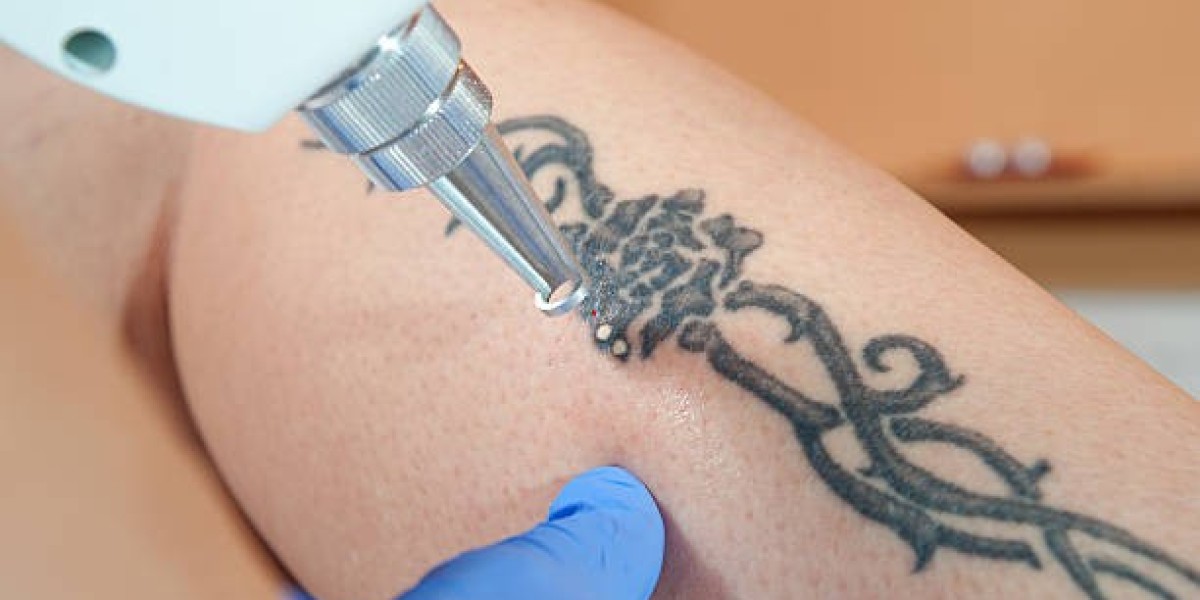

However, one of the most common questions before starting treatment is whether the procedure hurts. Understanding how laser tattoo removal works, what sensations you may experience, and how to care for your skin afterward can help you feel more confident about your decision. With proper assessment and appropriate aftercare, the treatment can be managed comfortably for many individuals.
If you are considering Laser Tattoo Removal in Riyadh, knowing what to expect can help you prepare for your appointment. Whether you want to remove an old design, lighten a tattoo for a future cover-up, or explore eyebrow tattoo removal riyadh, understanding the procedure and its comfort measures is an important first step.
Does Laser Tattoo Removal Hurt?
Laser tattoo removal can cause some discomfort, but the intensity varies from person to person. Many people describe the sensation as similar to a rubber band snapping against the skin or brief, sharp pinpricks. The feeling occurs when laser energy targets tattoo pigment beneath the skin.
The level of discomfort depends on several factors, including the tattoo's location, size, ink colors, and individual pain tolerance. Areas with thinner skin or more sensitive nerve endings may feel more uncomfortable than areas with thicker skin. Although some discomfort is expected, treatment sessions are generally brief, depending on the size and complexity of the tattoo.
Factors That Affect Pain During Laser Tattoo Removal
Tattoo Location and Skin Sensitivity
The location of your tattoo can influence how the procedure feels. Tattoos on areas such as the ribs, ankles, wrists, and fingers may be more sensitive because of thinner skin, nearby bones, or a greater concentration of nerve endings. Tattoos on fleshier areas, such as the upper arm or thigh, may be more tolerable for some individuals.
Tattoo Size, Color, and Ink Depth
Larger tattoos may require longer sessions, which can increase the overall time spent experiencing discomfort. The ink's depth, density, and color also affect the treatment approach. Different laser wavelengths target different pigments, so some colors may respond more readily than others. Your treatment provider can assess your tattoo and explain what may influence the number of sessions required.
Individual Pain Tolerance
Everyone experiences discomfort differently. Factors such as anxiety, skin sensitivity, and previous experiences with tattoos can influence how you perceive the procedure. Discussing your concerns before treatment allows the provider to explain suitable comfort measures and help you feel more prepared.
How Can You Make Laser Tattoo Removal More Comfortable?
Cooling and Other Comfort Measures
Cooling devices or cold air may be used before, during, or after treatment to help reduce discomfort and soothe the skin. Depending on the treatment area and your medical history, a qualified provider may also recommend an appropriate topical numbing product. Always follow professional instructions rather than applying numbing products independently.
Choose a Qualified Treatment Provider
Choosing an experienced, qualified provider is important for both comfort and safety. A proper consultation allows the provider to evaluate your tattoo, skin type, medical history, and expectations before recommending a treatment plan. Appropriate laser settings and careful technique can help minimize unnecessary skin irritation.
What Happens After Laser Tattoo Removal?
After treatment, the skin may feel warm, tender, or similar to a mild sunburn. Temporary redness and swelling can occur, and some people may develop small blisters or scabs as the skin heals. These effects vary according to the treatment and individual skin response.
Following aftercare instructions is essential. Keep the treated area clean, avoid picking at blisters or scabs, protect the skin from direct sunlight, and use recommended skin-care products. Contact your treatment provider if you notice worsening pain, spreading redness, pus, or other signs of infection.
Tattoo removal usually requires multiple sessions spaced several weeks apart to allow the skin to recover and the body's immune system to gradually clear fragmented ink particles. Complete removal is not guaranteed, and results depend on factors such as ink color, tattoo age, depth, and skin response.
Is Laser Tattoo Removal Worth the Discomfort?
For many people, temporary discomfort is manageable when weighed against the goal of fading or removing an unwanted tattoo. The procedure offers a non-surgical approach to tattoo removal, although it can still cause side effects, including pigment changes, blistering, and scarring in some cases.
A professional assessment can help you understand the likely results, expected recovery, and potential risks before you begin. Setting realistic expectations is particularly important if your tattoo contains several colors or has been applied deeply.
Frequently Asked Questions
Is laser tattoo removal more painful than getting a tattoo?
The experience varies. Some people find laser tattoo removal more uncomfortable because the sensation is sharper, while others find the short pulses easier to tolerate than prolonged tattooing.
How long does the pain last after laser tattoo removal?
Mild tenderness, warmth, and redness commonly improve within a few days. Recovery varies, particularly if blistering or other skin reactions occur. Follow your provider's aftercare instructions.
Can numbing cream reduce laser tattoo removal pain?
An appropriate topical anesthetic may help reduce discomfort for some people. It should be selected and used according to professional guidance because incorrect application can cause adverse effects.
How many sessions are needed to remove a tattoo completely?
The number of sessions varies according to tattoo size, ink color, depth, age, and individual skin response. Some tattoos fade substantially, while others may not disappear completely.
Is laser tattoo removal safe for eyebrow tattoos?
Laser treatment may be suitable for certain eyebrow tattoos, but the area requires particular care because it is close to the eyes. Some cosmetic tattoo pigments can also darken or change color after laser exposure. A qualified provider should assess the pigment and use appropriate eye protection before treatment.
Book Your Laser Tattoo Removal Consultation
If you are ready to explore tattoo removal, a professional consultation can help you understand the procedure, comfort options, expected results, and aftercare requirements. Enfield Royal Clinic offers an opportunity to discuss your aesthetic concerns and explore suitable treatment options based on your individual needs. Arrange a consultation to take the next step toward clearer-looking skin with informed expectations and appropriate professional guidance.