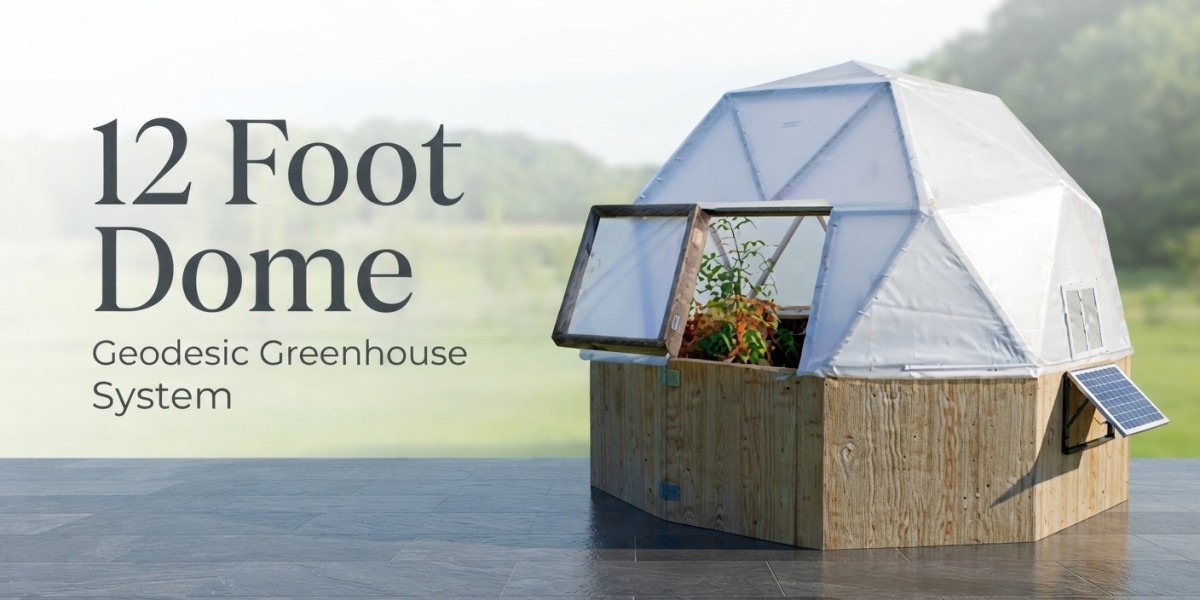

Growing vegetables in a backyard garden is a great way to make use of a small space. A 12 Foot Dome Greenhouse offers about 113 square feet of growing space. This allows you to grow a selection of vegetables and keep your crops organized. You can grow an array of vegetables in a small greenhouse if you plan well, choose the right plants, and use your space wisely.
Plan Which Vegetables You Want To Grow
Before you plant your first seed, plan which vegetables you want to grow. While a small greenhouse can accommodate multiple crops, overcrowding your space becomes an issue if you try to grow too many varieties. Write down a list of vegetables you commonly use, including tomatoes, peppers, lettuce, spinach, radishes, and other favorites.
After making your list, look up how much space each vegetable needs and its days to maturity.
Carefully planning your garden lets you choose which vegetables will get more space and where each crop should be planted.
Choose Vegetables That Suit Your Space
When growing vegetables in any space, it’s important to choose plants that will thrive. Some vegetables require more space to reach maturity than others. Certain vegetables spread out horizontally, but others can be grown in containers or small raised beds.
Leafy greens like lettuce and spinach are often good choices since you can usually grow them relatively close together if their other growing requirements are met. Root vegetables like radishes can also be good choices for small spaces.
Peppers, tomatoes, and cucumbers are other common vegetable garden options. Keep mature size in mind for these vegetables, along with any support they’ll need. Pick varieties that will grow well in your space.
Organize Your Growing Areas
You can divide your growing area into sections to better manage multiple vegetable varieties. Perhaps you’ll grow one type of leafy green in one corner, another area dedicated to tomatoes and peppers, and a small section for radishes. Some crops can be placed in containers if you need to move them around or keep them separated.
Try not to overcrowd your greenhouse just because you have the space available. Sections that are easier to manage will help you water, inspect, and harvest your vegetables.
Make Good Use of Raised Beds
Raised beds can help you delineate a growing area in a small greenhouse. Not only do raised beds create defined areas to garden in, but they also can help keep similar vegetables separated.
Be sure to leave enough space between beds to reach your plants. You don’t want your bed to be so wide that you cannot reach the middle from the side.
Fill your beds with appropriate growing soil, and ensure that excess water can drain out of the bed. Use the right configuration to keep your plants organized without restricting your ability to move around.
Use Containers For Flexible Growing
Small containers are great because they allow you to move them around as needed. Maybe you need to relocate a plant to provide more room for another crop or move it to provide easier access for maintenance.
Certain herbs, leafy greens, and vegetables can do well in containers, as long as they have enough room for roots to grow and soil to drain. Before adding a container to your greenhouse, consider how big the mature plant will get and how often you’ll need to water it.
Keep containers that have similar needs near each other. Grouping together will help you develop an easy gardening routine.
Grow Vertically When Suitable
While floor space is important, vertical growing space can also be utilized in a small greenhouse. Providing trellises or other suitable supports for climbing vegetables is a great way to expand your gardening area.
Beans, peas, and some varieties of cucumbers can grow vertically on a trellis. Certain tomato plants can also use this support.
Ensure that any supports you use are secure and won’t tip over. Do not overcrowd pathways, and be mindful of vertically grown plants shading out smaller vegetable plants. Check each vegetable’s mature height to determine a good location.
Pay Attention To Sunlight
When plants don’t get adequate sunlight, they won’t grow well. Take note of how the sun hits different areas of your greenhouse before you set up your vegetable garden.
You may want to place taller plants at the north end of your garden so they don’t shade out shorter plants. Vegetables need different amounts of sunlight. Just because you grow multiple vegetables doesn’t mean they all need full sunlight all day.
Manage Watering and Drainage
Every vegetable has different watering needs. The type of soil you use, container size, air temperature, and plant size can affect how quickly the soil dries out.
Check the moisture in your soil frequently and water as each crop needs. Some vegetables need daily watering, while others should only be watered every few days. Don’t overwater your vegetables. Standing water can cause drainage issues and lead to root diseases.
Arrange your garden so that you can water each bed and container without stepping into them. By placing similar plants near each other, you can get into a routine when watering your vegetables.
Leave Enough Room For Airflow and Maintenance
Plants need room to grow, even if you are growing vegetables in a small space. If you overcrowd your garden, it will be difficult to weed, inspect your plants for pests, water, and harvest your vegetables.
Leave enough space between plants and rows that you can easily reach your plants. Leaving enough space between plants also makes it easier to spot insects or diseases before they become a large problem.
Use footpaths to make it easy to reach every area of your greenhouse. Store garden tools within reach so you don’t have to rearrange your plants when you need a trowel. A simple garden that you can manage is better than a jungle you can’t control.
Plan for Successive Planting
Successive planting means planting a crop and then planting another crop in its place once it’s harvested. Not everything in your garden will need to be planted at the same time. By staggering your planting times, you can use the same growing space more than once a season.
Once you harvest a fast-growing crop like lettuce or radishes, you can immediately plant another crop in that space.
Label your transplants with the date they were planted. Record keeping isn’t necessary, but it can help you learn from last year’s greenhouse.
Keep Your Garden Flexible
You may find that your needs and wants change as you spend more time gardening. Maybe next season you want to grow more spinach or plant a new variety of tomato. Perhaps you’ll want to dedicate an area to growing seedlings.
If you use some containers that can be moved around and leave open space, changing your setup will be easy. As your plants grow, take a look at your garden setup and make changes if necessary. Remove harvested crops from their beds so you always know how much space is available.
Visit Dome Greenhouses and check out their greenhouse options for backyard gardeners.
Final Thoughts
You can successfully grow vegetables in a 12 Foot Dome Greenhouse by choosing the right types of vegetables. Planning your vegetable garden will allow you to map out where each crop will go and how much space it will need.
Using raised beds, garden containers, vertical growing when possible, and separating your vegetables into sections can help you maximize your space. Pay attention to each vegetable’s sunlight needs, watering requirements, and provide enough space for airflow and maintenance.
Remember to keep your gardening setup flexible. By changing up your garden each year and taking notes, you’ll learn more about what you can do with your small greenhouse.
FAQs
What vegetables can be grown in a 12 Foot Dome Greenhouse?
Radishes, leafy greens, tomatoes, peppers, cucumbers, and plenty of other vegetables may work. The ideal vegetables will depend on mature size, light needs, and other growing requirements.
How much growing space is in a 12 foot dome?
Expect around 113 sq.ft of floor space in a 12 foot dome. You’ll have less growing space once you account for your beds or containers and the paths you need to reach them.
Can I put raised beds in my 12 foot dome?
You can use raised beds to grow vegetables in a small dome. Raised beds will help you stay organized if they are the right size and placed so that you can access the plants and reach all around the beds.
Can you grow vining vegetables in a small dome greenhouse?
Yes! Plant vining vegetables if you have a secure trellis or other type of support for the plants to climb on. Ensure that you have enough height and the plants won’t crowd paths or shade out other plants too much.
How do you avoid overcrowding in a small greenhouse?
Choose the right vegetable varieties, leave adequate space between plants, account for mature sizes, and leave room to access your crops. Don’t try to grow more than you have room to maintain.