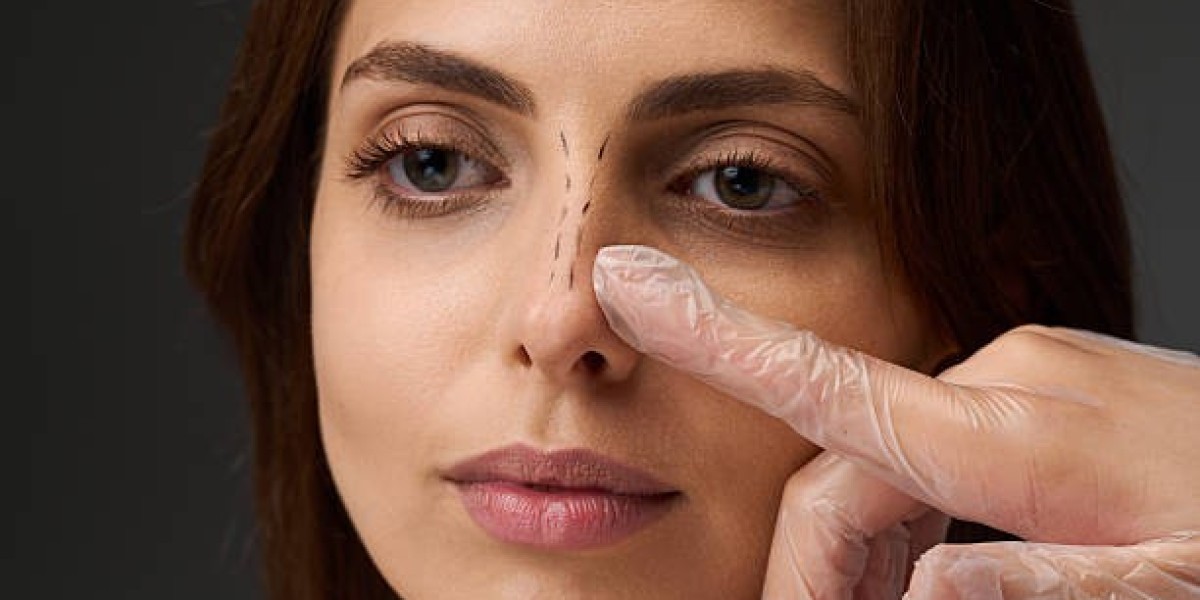

Rhinoplasty is a surgical procedure that reshapes the nose to improve its appearance, function, or both. After surgery, protecting the healing nose is essential for achieving the best possible outcome. One common concern among patients is whether they can wear eyeglasses or sunglasses during recovery. Because glasses rest on the bridge of the nose, their weight and pressure may affect healing, especially during the first few weeks. Understanding when and how to wear glasses after Rhinoplasty in Riyadh can help you protect your results and follow a smoother recovery process.
Why Is Wearing Glasses a Concern After Rhinoplasty?
During rhinoplasty, the nasal bones, cartilage, and surrounding tissues may be adjusted. These structures need time to heal and stabilize. Glasses that rest directly on the nasal bridge can put pressure on sensitive tissues and healing bones, potentially causing discomfort or interfering with the healing process.
The level of concern depends on the surgical technique, the extent of nasal reshaping, and whether the nasal bones were modified. Patients undergoing procedures involving significant bone adjustments may need to avoid direct pressure for longer than those having limited changes. Your surgeon can provide specific guidance based on your procedure and recovery.
How Soon Can You Wear Glasses After Rhinoplasty?
The appropriate time to resume wearing glasses varies from person to person. Your surgeon will assess your healing progress and advise when it is safe to place weight on the nose.
During the First Week
A nasal splint is often used during the first week to support and protect the nose. Some patients may be able to wear glasses over the splint if their surgeon approves, but this should never be assumed. Glasses can shift the splint or create unwanted pressure, so it is important to follow your surgeon's instructions.
After the Splint Is Removed
Removing the splint does not necessarily mean the nose is ready to support glasses. The underlying tissues and nasal bones may still be healing. Your surgeon may recommend avoiding glasses that rest on the bridge for several additional weeks, depending on the procedure.
Several Weeks After Surgery
Many patients are advised to avoid direct pressure from regular glasses for approximately four to six weeks, and sometimes longer after procedures involving nasal bone work. This is a general guideline rather than a universal timeline. Do not restart normal glasses use until your surgeon confirms that it is appropriate.
What Can You Do If You Need Glasses During Recovery?
If you rely on prescription glasses for daily activities, plan for an alternative before surgery. Several options may help you see clearly without placing unnecessary pressure on your healing nose.
Consider Contact Lenses
If you already wear contact lenses and can use them comfortably, they may be a convenient temporary alternative. Ask your surgeon when you can safely resume wearing them, and follow proper hygiene instructions. If you do not normally use contact lenses, discuss whether starting them before surgery is suitable.
Use a Glasses Support System
Specialized glasses supports can hold frames against the forehead or suspend them from another support point, reducing pressure on the nasal bridge. Your surgeon should approve the device and explain how to use it without disturbing any splint or healing tissue.
Tape Glasses to Your Forehead
In some cases, patients can use medical tape to secure glasses to the forehead so the frames do not rest on the nose. This method should only be used if your surgeon approves it and demonstrates a safe approach. Avoid placing tape on incisions, sensitive skin, or the surgical dressing.
Ask About Temporary Visual Alternatives
Depending on your vision needs, your eye care professional may suggest temporary alternatives while you recover. Avoid driving or operating equipment if your vision is not adequately corrected.
Are Sunglasses Safe After Rhinoplasty?
Sunglasses follow the same precautions as prescription glasses. Some styles are heavier than regular frames and may place additional pressure on the nasal bridge. UV protection is valuable outdoors, but protecting your healing nose should remain a priority.
Consider a hat with a brim to provide shade while you avoid resting sunglasses directly on the nose. If you need sunglasses for outdoor activities, ask your surgeon about pressure-free options and when you can safely return to your usual pair.
Tips for Protecting Your Nose While Wearing Glasses
Taking a few precautions can help reduce the risk of unnecessary pressure during recovery:
Follow your surgeon's instructions about when to resume wearing glasses.
Avoid placing frames directly on the nasal bridge until you receive medical clearance.
Do not adjust, remove, or reposition a surgical splint to accommodate glasses.
Choose lightweight frames only when your surgeon says they are safe to use.
Keep any approved support device clean and use it as instructed.
Attend follow-up appointments so your surgeon can monitor healing and advise when normal glasses use can resume.
Contact your surgeon if you notice new or increasing pain, swelling, bleeding, or a change in the shape of your nose after pressure has been applied.
When Should You Contact Your Surgeon?
Mild swelling, tenderness, and bruising are common during early recovery. However, new deformity, significant bleeding, worsening pain, or sudden changes after your glasses press against your nose warrant prompt medical advice. Seek urgent care for severe symptoms, including difficulty breathing. Do not attempt to correct or manipulate the nose yourself.
Book a Rhinoplasty Consultation at Royal Clinic Saudia
If you are considering Rhinoplasty in Riyadh, Royal Clinic Saudia can help you understand the procedure, recovery expectations, and precautions for everyday activities such as wearing glasses. Book a consultation to discuss your needs and receive personalized guidance for protecting your nose during healing.
FAQs:
Can I wear glasses immediately after rhinoplasty?
Not necessarily. Glasses may put pressure on the healing nose, even after the splint is removed. Follow your surgeon's instructions and use an approved alternative if needed.
How long should I avoid wearing glasses after rhinoplasty?
Some patients need to avoid direct pressure for around four to six weeks, while others may need longer. The correct timeline depends on the procedure and your healing progress.
Can I wear sunglasses after rhinoplasty?
Sunglasses can place pressure on the nasal bridge just like prescription glasses. Use alternatives for sun protection and ask your surgeon when it is safe to wear them again.
Do contact lenses make recovery easier?
Contact lenses can be a useful alternative for patients who already use them, provided they can wear them safely and comfortably. Ask your surgeon when to resume using them after surgery.