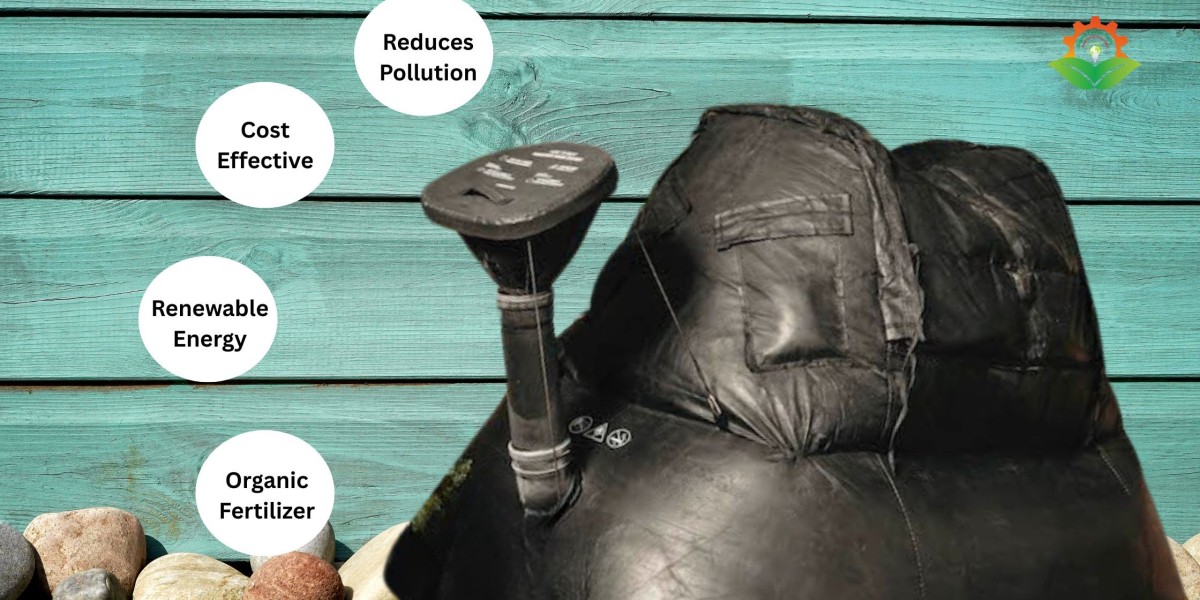

A biogas plant converts biodegradable organic matter into methane-rich gas through anaerobic digestion. Inside a sealed digester, naturally occurring microorganisms decompose organic waste in the absence of oxygen, producing biogas and nutrient-rich bio-slurry.
Kitchen waste is an excellent feedstock because it contains easily digestible organic matter with high moisture content. Vegetable peels, fruit waste, cooked food leftovers, rice, flour, and other biodegradable materials generate methane efficiently when fed consistently into the digester. However, households that combine kitchen waste with cattle manure usually achieve better microbial stability and more consistent gas production because manure introduces beneficial microorganisms that support the digestion process.
Biogas Plant Design for Kitchen Waste Applications
A reliable biogas plant design starts with evaluating the quantity and type of kitchen waste generated every day.
Engineers calculate daily feedstock volume, moisture content, hydraulic retention time, and expected gas demand before determining digester capacity. If animal manure is available, it is often blended with kitchen waste to improve biological performance and maintain a stable digestion environment.
Proper sizing ensures efficient methane production without overloading the digester or reducing gas quality.
How Kitchen Waste Becomes Renewable Energy
The digestion process begins by shredding or chopping larger food particles when necessary and mixing the waste with water to create a pumpable slurry.
Inside the oxygen-free digester, microorganisms gradually convert carbohydrates, proteins, and fats into methane-rich biogas through multiple biological stages.
Suitable kitchen feedstock includes:
Vegetable peels
Fruit waste
Cooked food leftovers
Rice and grains
Bread and flour products
Tea leaves and coffee grounds
Large quantities of oil, excessive salt, plastic, metal, glass, or non-biodegradable materials should never be introduced into the system because they interfere with digestion and reduce efficiency.
The remaining digestate becomes bio-slurry that can be applied as an organic fertilizer to gardens, farms, and agricultural land.
Sizing the Plant for Daily Waste Generation
Plant capacity should always match actual feedstock availability.
A biogas plant for home is typically designed around the household's daily kitchen waste along with manure from available livestock. If kitchen waste is the primary feedstock, engineers carefully estimate the expected gas yield before selecting the digester volume.
Oversized plants may experience insufficient microbial activity due to inadequate feedstock, while undersized digesters can become overloaded and produce unstable gas output.
Correct sizing supports continuous methane production and efficient operation throughout the year.
Gas Storage, Piping, and Safe Gas Delivery
Reliable gas handling is just as important as efficient digestion.
Modern biogas plant systems include gas holders, pressure regulators, moisture separators, safety valves, and leak-proof pipelines designed for household operation.
Proper piping maintains consistent gas pressure for kitchen stoves, water heaters, and, where appropriate, small generator systems. Regular inspection of valves and pipelines further improves safety and long-term reliability.
Key Features of a Modern Biogas Plant
Professionally engineered systems provide dependable operation with minimal daily attention.
Important features include:
Continuous gas generation
Compact installation footprint
Effective odor control through sealed digestion
Durable RCC, FRP, HDPE, or steel tank construction
Weather and temperature resilience
Low daily maintenance
Easy-to-operate design
Scalable capacity for future expansion
Long operational service life
These features make modern systems suitable for both household and agricultural applications.
Applications Beyond Household Kitchens
Although kitchen waste is an excellent feedstock, biogas technology serves a much broader range of applications.
Typical installations include:
Rural households
Dairy and livestock farms
Agricultural cooperatives
Hostels and educational institutions
Small hotels and farm stays
Gated communities and housing societies
Rural electrification projects
Community renewable energy initiatives
A Domestic biogas digester for homes and farms efficiently converts household organic waste into renewable cooking fuel, while larger installations process mixed organic waste streams for commercial energy production.
Cost and Investment Factors
The total biogas plant price depends on several technical considerations beyond feedstock type.
Important investment factors include:
Daily feedstock volume and composition
Digester size and construction material
Gas storage capacity
Pipeline routing and installation complexity
Site preparation requirements
Available installation space
Integration with cooking appliances or generators
Preventive maintenance and AMC costs
Expected long-term payback period
Using available kitchen waste as a primary fuel source often reduces household energy expenses while minimizing waste disposal costs.
Choosing the Right Engineering Partner
Among leading Biogas plant manufacturers in India, buyers should evaluate engineering capability, product quality, and after-sales support before making an investment.
Important considerations include:
Industry experience
Digester design expertise
Manufacturing quality and material standards
Customization capability
Installation expertise
Technical support
Preventive maintenance services
Documentation and subsidy assistance where applicable
Proven project reliability
A Sigma Power Tech biogas plant is designed using site-specific engineering that considers feedstock availability, household energy demand, and long-term operational performance. As a Sigma Power Tech manufacturer and service provider, the company delivers complete solutions that include customized design, manufacturing, installation, commissioning, and ongoing technical support.
Common Mistakes to Avoid
Several operational mistakes can reduce gas production when using kitchen waste.
Common issues include:
Under sizing or oversizing the digester
Inconsistent daily feedstock input
Feeding excessive oil or non-biodegradable waste
Poor site selection and inadequate space planning
Ignoring bio-slurry utilization
Skipping preventive maintenance
Improper gas pipeline installation
Neglecting seasonal temperature effects on digestion efficiency
Maintaining consistent feedstock quality and following recommended operating practices helps maximize methane production and system reliability.
Conclusion
Kitchen waste can successfully operate a biogas plant when sufficient biodegradable material is available and the system is correctly engineered for daily feedstock volume and household energy demand. Combining kitchen waste with animal manure often improves microbial stability and ensures more consistent gas production throughout the year.
Investing in proper sizing, quality engineering, and routine maintenance provides dependable fuel savings, nutrient-rich organic fertilizer through bio-slurry, and a sustainable waste-to-energy infrastructure. A professionally designed biogas system transforms everyday kitchen waste into a reliable renewable energy resource that benefits households, farms, and communities for many years.