
Warts are common skin growths caused by certain types of human papillomavirus (HPV). They can appear on the hands, fingers, feet, and other parts of the body, sometimes causing discomfort or cosmetic concerns. While some warts disappear naturally, others may persist and require treatment. Topical treatments are among the most widely used options for managing certain types of warts because they can gradually break down affected skin or help the body's immune system respond to the growth. Understanding how these products work, their benefits, and their limitations can help individuals make informed decisions about Warts Removal Treatment in Riyadh.
What Are Topical Treatments for Warts?
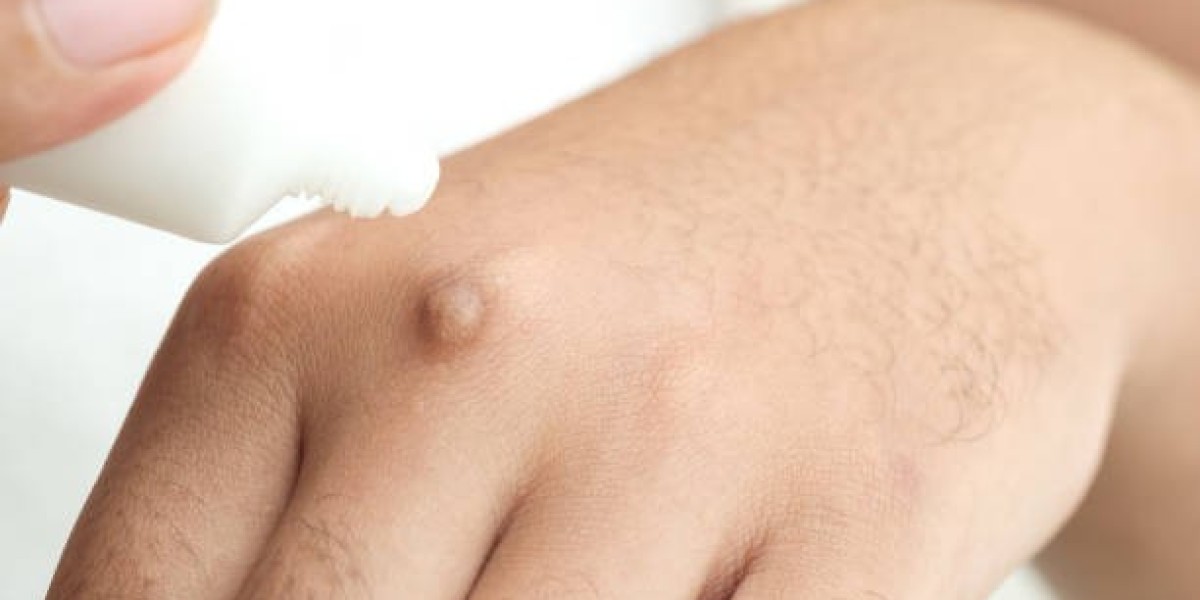
Topical wart treatments are products applied directly to the affected skin. They may contain ingredients that gradually remove thickened wart tissue or medicines prescribed by a healthcare professional for selected cases. The appropriate product depends on the wart's type, size, location, and the person's skin health.
Some topical treatments are available over the counter, while others require medical guidance. Although many common warts can be managed with topical products, not every growth responds to them. A healthcare professional should assess an unusual or uncertain skin lesion before treatment.
How Do Topical Treatments Help Remove Warts?
Topical treatments work in different ways depending on their active ingredients. Some gradually soften and remove layers of affected skin, while others may help stimulate a local immune response. Because these methods generally work over time, regular use according to the product instructions is often necessary.
Salicylic Acid
Salicylic acid is a commonly used treatment for certain common and plantar warts. It helps soften and remove layers of thickened skin, gradually reducing the wart. It is available in different forms, including liquids, gels, and medicated patches.
Treatment may take several weeks, and consistent application is important. Salicylic acid can irritate healthy skin if used incorrectly, so it should be applied only as directed. It is generally unsuitable for use on the face or genital area without professional advice.
Prescription Topical Medicines
A healthcare professional may recommend prescription topical medicines for selected persistent warts. Depending on the diagnosis, these products may help remove affected tissue or stimulate a local immune response. The choice of medicine depends on the wart's location, previous treatment results, and the patient's medical history.
Prescription products can cause irritation, redness, or other side effects. They should be used according to medical instructions, especially when treating sensitive areas or when the diagnosis is uncertain.
Other Medically Supervised Treatments
Some warts may be treated with other topical preparations selected by a clinician. These treatments are not suitable for every wart and may require monitoring to check how the skin responds. Professional guidance is especially important if a wart is persistent, spreading, or located in a sensitive area.
What Types of Warts Can Topical Treatments Help Treat?
Topical products are commonly used for certain common warts on the hands and fingers and for plantar warts on the soles of the feet. Thick plantar warts may take longer to respond because the affected skin can be difficult to treat.
The suitability of topical treatment depends on the wart's location and appearance. Growths on the face, near the eyes, or around the genitals should be assessed by a healthcare professional before treatment. Some skin conditions can resemble warts, so confirming the diagnosis helps avoid unnecessary irritation or injury.
What Are the Benefits of Topical Wart Treatments?
Topical treatments can offer several advantages for suitable warts.
Non-Surgical Approach
Many topical treatments can be used without a surgical procedure. This may make them a practical option for certain common warts, provided the product is appropriate for the location and used correctly.
Convenient Application
Some products can be applied at home according to the instructions on the packaging or the clinician's recommendations. This allows treatment to take place over time without repeated clinic visits for every application.
Gradual Removal of Affected Skin
Ingredients such as salicylic acid gradually break down thickened wart tissue. This process may help reduce the size of the growth over several weeks. However, results vary, and some warts do not respond adequately to topical treatment alone.
What Are the Limitations and Possible Side Effects?
Topical treatments usually require patience and consistent use. A wart may take several weeks or longer to improve, and treatment may not be successful in every case. Some persistent warts need professional procedures or a different treatment plan.
Possible side effects include redness, dryness, burning, irritation, and damage to surrounding healthy skin. Using excessive amounts or applying a product to the wrong area can increase these risks. Do not cut, scrape, or aggressively pick at the wart to speed up the process.
People with diabetes, circulation problems, reduced sensation, or weakened immune systems should seek medical advice before treating warts themselves. A clinician can help determine whether a topical product is appropriate.
How Should You Apply Topical Wart Treatments Safely?
Safe use begins with choosing a product intended for the specific type and location of wart. Read the instructions carefully and follow the recommended application schedule. Protect surrounding skin when directed, and avoid using more product than recommended.
Stop using the product and seek advice if you develop severe irritation, significant pain, or skin damage. Do not apply ordinary wart-removal products to the face, genitals, or other sensitive areas unless a healthcare professional specifically recommends an appropriate treatment.
If the wart bleeds without an obvious cause, changes in appearance, grows quickly, or fails to improve, arrange a medical assessment rather than continuing self-treatment indefinitely.
When Should You Consider Professional Wart Removal?
Professional assessment may be helpful when a wart is painful, persistent, spreading, or interfering with daily activities. It is also advisable when home treatments have not worked or when you are unsure whether a growth is a wart.
A clinician can evaluate the lesion and discuss suitable options, which may include topical medicines, cryotherapy, or selected procedures. Warts Removal Treatment in Riyadh can be tailored to the individual's skin condition, treatment history, and medical needs, helping patients understand the potential benefits and risks before proceeding.
Book a Consultation at Royal Clinic Saudia
If you have a persistent wart or are unsure which topical treatment to use, consider arranging a consultation at Royal Clinic Saudia. A qualified healthcare professional can assess the affected area, recommend suitable treatment options, and explain how to care for your skin safely.
FAQs:
How long do topical wart treatments take to work?
Many topical treatments require several weeks of consistent use. The time depends on the wart's size, thickness, location, and response to the product. Some warts may need an alternative treatment.
Can salicylic acid remove warts completely?
Salicylic acid can help clear certain common and plantar warts, but it does not work for everyone. Correct and consistent use is important, and some warts may require professional treatment.
Are topical wart treatments safe for the face?
Many ordinary wart-removal products are not suitable for facial skin because they can cause irritation, burns, or scarring. Warts on the face should be assessed by a healthcare professional before treatment.
What should I do if a topical treatment does not remove my wart?
If the wart persists, becomes painful, changes in appearance, or worsens, consult a healthcare professional. They can confirm the diagnosis and recommend whether another topical medicine or a different removal method is appropriate.