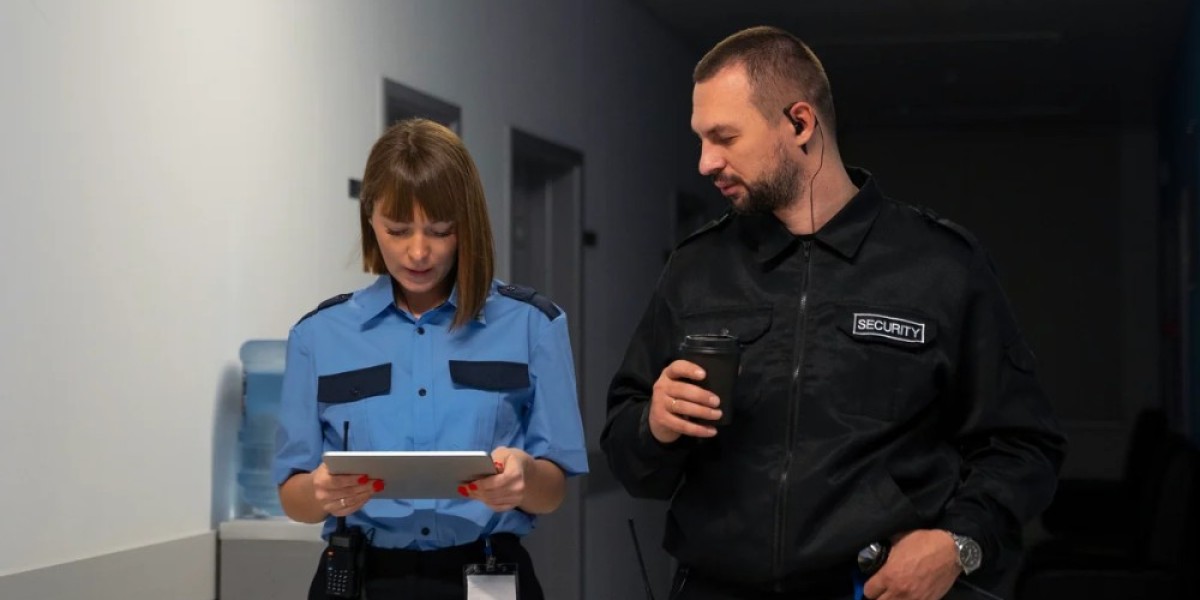

Commercial properties face different security risks, from unauthorised access and theft to workplace disputes and emergency situations. Offices, warehouses, retail premises and business centres need reliable security arrangements to protect people, property and daily operations.
Security guard teams help businesses manage these risks through regular patrols, access control, incident monitoring and clear communication. Their presence can discourage unwanted behaviour, identify potential problems and support a safer working environment. By combining practical security measures with professional judgement, security teams help businesses maintain better control over their premises.
Identifying Security Risks Across Commercial Premises
Every commercial property has different security requirements. An office may need visitor management and protection for confidential areas, while a warehouse may require additional attention to loading bays, stockrooms and delivery entrances. Security guards can assess daily activities and identify areas where security weaknesses may create problems.
Common risks that security teams help businesses monitor include:
Unauthorised entry into restricted areas
Theft of equipment, stock or valuable assets
Suspicious behaviour around entrances and exits
Poor control of visitor and contractor access
Safety concerns in car parks and shared spaces
Identifying these risks allows businesses to take a more organised approach to protection. Security guards can report recurring concerns, monitor vulnerable areas and help management understand where additional measures may be required. Regular observations also help businesses adjust their security arrangements when working patterns or site conditions change.
Maintaining Effective Access Control
Access control is an important part of commercial protection because it helps businesses manage who enters and leaves their premises. Security guards can check visitor details, confirm appointments, verify identification where appropriate and direct people to the correct departments. These procedures help prevent unauthorised individuals from entering sensitive areas.
A well-managed entrance also creates a more organised experience for employees, customers, suppliers and contractors. Security personnel can maintain visitor records, follow site entry procedures and communicate with relevant staff when access needs to be confirmed. Clear and consistent checks reduce confusion while supporting the business's wider security arrangements.
Protecting Employees, Customers and Visitors
A secure commercial environment should protect everyone who uses the premises. Employees need to feel comfortable at work, while customers and visitors should be able to enter and move around the property without unnecessary concern. Security guards provide a visible point of contact and can respond when someone requires assistance.
Their responsibilities may include:
Monitoring entrances, reception areas and shared spaces
Helping visitors understand site procedures
Responding calmly to disagreements or disruptive behaviour
Reporting hazards that could affect people's safety
Contacting emergency services when necessary
Professional conduct is essential when dealing with people. Security guards should communicate clearly, remain alert and handle difficult situations calmly. Their ability to recognise potential problems early can help prevent minor concerns from developing into more serious incidents.
Using Security Patrols to Protect Valuable Assets
Commercial premises often contain valuable equipment, stock, documents and technology. Without suitable monitoring, these assets may be exposed to theft, damage or unauthorised use. Security patrols help maintain visibility across a site and allow guards to check areas that may not be continuously monitored.
Patrols can cover corridors, storage areas, car parks, loading zones, perimeter boundaries and other vulnerable locations. Depending on the site, security teams may follow scheduled routes or adjust their patrols to address specific risks. Checking doors, gates and other access points can also help identify potential weaknesses before they lead to an incident.
Improving Incident Response and Emergency Preparedness
When an incident occurs, a prompt and organised response can help reduce disruption and protect people. Security guards are often among the first people available to assess a situation, communicate relevant information and follow the property's emergency procedures. Their actions can support a coordinated response until additional assistance arrives.
Effective preparation involves understanding evacuation routes, emergency contacts, reporting procedures and the responsibilities assigned to security personnel. Security teams may help businesses prepare for situations such as fire alarms, medical emergencies, suspicious activity and disruptive behaviour. Regular communication with management also helps ensure that procedures remain clear and practical.
Supporting Daily Business Operations
Security should protect commercial premises without creating unnecessary obstacles for normal business activities. Guards can help manage deliveries, guide contractors, monitor busy entrances and keep access routes clear. Their presence can support the smooth movement of people and vehicles throughout the working day.
Good coordination is particularly important in buildings shared by multiple businesses or departments. Security personnel can communicate with reception teams, facilities managers and site supervisors to resolve routine issues quickly. By understanding the property's daily operations, they can balance security responsibilities with the practical needs of employees, customers and visitors.
Maintaining Accurate Reports and Communication
Security reporting helps businesses understand what is happening across their premises. Clear records of incidents, patrol observations, visitor issues and access concerns give management useful information for reviewing existing arrangements. Accurate reporting also helps establish what happened, when it occurred and what action was taken.
Useful security reports should be factual, organised and easy to understand. Security teams may record details such as:
The date, time and location of an incident
The people or areas involved, where appropriate
Actions taken by security personnel
Any damage, hazards or suspicious activity observed
Follow-up actions that management may need to consider
Consistent communication helps ensure that important concerns are not overlooked. When security guards share relevant information with authorised managers, businesses can investigate recurring problems and improve their procedures. This approach supports accountability and helps security arrangements develop in line with changing operational needs.
Choosing a Security Guard Company for Commercial Protection
Selecting a suitable security provider requires businesses to consider the nature of their premises, working hours, visitor activity and specific risks. A reliable security guard company should understand the site's requirements and provide personnel who can carry out their duties professionally. Businesses should also review staff training, communication standards, supervision and the provider's approach to incident reporting.
Before making a decision, organisations should consider several practical factors:
Experience with similar commercial environments
Appropriate licensing and role-specific training
Clear procedures for patrols and access control
Reliable communication with site management
Consistent reporting and supervisory support
Flexibility to respond to changing security needs
A provider that understands commercial operations can help create a security plan suited to the property rather than relying on a one-size-fits-all approach. Reviewing performance regularly and maintaining open communication can also help businesses identify gaps and make improvements over time.
Conclusion
Security guard teams strengthen commercial protection by combining visible security, access control, regular patrols, incident response and accurate reporting. Their work helps businesses protect employees, visitors, equipment and other valuable assets while supporting everyday operations.
The most effective security arrangements reflect the risks and working patterns of each property. By choosing a suitable security provider, maintaining clear procedures and reviewing performance regularly, businesses can develop a more organised approach to commercial safety and protection.