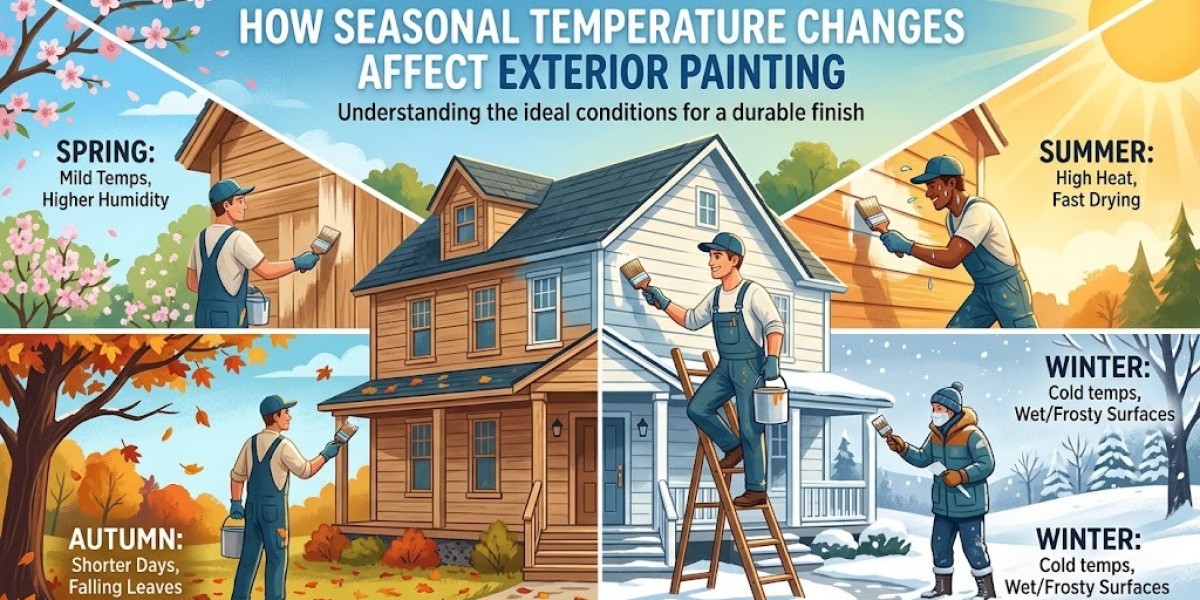

A fresh coat of exterior paint can make your home look cleaner, brighter, and better maintained. However, achieving a smooth, durable finish involves more than choosing an attractive color and applying it to the walls. Seasonal temperature changes play a major role in how exterior paint spreads, dries, adheres to surfaces, and withstands the elements over time.
Painting your home during extremely hot, cold, or unpredictable weather can lead to problems such as peeling, cracking, blistering, uneven color, and premature fading. Even if the finished surface looks perfect initially, unsuitable weather conditions during application can affect how well the paint performs in the months and years ahead.
If you are planning an exterior painting project, understanding the relationship between temperature and paint performance can help you make better decisions. Working with an experienced Interior and exterior painting company in Valhalla can also help you choose an appropriate painting schedule, prepare surfaces correctly, and select products suited to your home's exterior materials and local climate.
Let's explore how seasonal temperature changes affect exterior painting and what you can do to achieve a finish that lasts.
Why Temperature Matters When Painting Exterior Surfaces
Exterior paint contains pigments, binders, solvents or water, and other ingredients that work together to create a protective coating. Temperature influences how these ingredients behave during application and drying.
When the weather is within the paint manufacturer's recommended range, the coating can spread evenly, bond properly to the surface, and develop the durability it was designed to provide.
When temperatures fall outside that range, several problems can occur:
- Paint may become too thick or dry too slowly.
- Hot conditions may cause paint to dry before it levels properly.
- Cold temperatures may prevent the coating from forming a strong film.
- Sudden temperature changes can affect curing and adhesion.
- Temperature differences between the air and the surface can create unexpected application problems.
It is important to remember that air temperature is only one part of the equation. Surface temperature, humidity, direct sunlight, wind, and the possibility of rain or overnight dew can all influence the final result.
How Spring Weather Affects Exterior Painting
Spring is a popular time for exterior painting because temperatures generally become milder and homeowners prepare their properties for the warmer months. However, spring weather can be unpredictable, particularly in areas where cold nights follow relatively warm afternoons.
Benefits of Spring Painting
Moderate temperatures can provide favorable conditions for applying many exterior paints. Paint often spreads more easily, and workers may have a comfortable window for completing preparation and application.
Spring also offers an opportunity to address damage caused by winter weather. Homeowners can inspect siding, trim, doors, and other painted surfaces for peeling, cracking, moisture damage, or areas where the old coating has worn away.
Challenges to Watch For
Cool mornings can slow drying, while warm afternoons may accelerate it. This variation can create an inconsistent drying schedule if the temperature changes significantly throughout the day.
Spring showers and lingering moisture can also interfere with painting. Applying paint over damp siding or wood can prevent proper adhesion and may trap moisture beneath the coating.
Practical tip: Check both daytime and overnight temperatures before scheduling a project. Allow surfaces to dry completely after rain, washing, or morning dew, and follow the product label for application and recoat requirements.
How Summer Heat Affects Exterior Paint
Summer may seem like the ideal season for exterior painting because warm weather generally helps paint dry. However, excessive heat can create challenges that are easy to overlook.
Paint May Dry Too Quickly
When temperatures are too high, especially under direct sunlight, water or other volatile components may evaporate faster than intended. This can prevent the paint from leveling smoothly, leaving visible brush marks, roller marks, lap marks, or uneven texture.
Fast surface drying can also make it difficult to maintain a consistent appearance when working across large walls.
Hot Surfaces Can Affect Adhesion
A wall exposed to several hours of direct sunlight may become much hotter than the surrounding air. Even when the air temperature falls within the manufacturer's recommended range, the siding itself may be too hot for proper application.
Excessive surface heat can cause paint to dry before it bonds effectively, increasing the risk of poor adhesion and other finish defects.
Choose the Right Time of Day
In hot weather, painting shaded areas during cooler parts of the day may produce better results. However, avoid starting so early that dew remains on the surface, and stop when temperatures or direct sunlight make application unsuitable.
Professional painters may work around the building according to the movement of the sun rather than painting every wall at once.
Practical tip: Always check the paint manufacturer's temperature limits for both air and surface conditions. Avoid assuming that a hot, sunny day automatically means ideal painting weather.
How Cold Weather Affects Exterior Painting
Cold weather presents a different set of challenges. Many water-based exterior paints need temperatures above a specified minimum to dry and form a durable film.
Slower Drying and Curing
Low temperatures slow the evaporation of water and other components in paint. As a result, a coating may remain wet or soft for longer than expected.
Longer drying times can increase the risk of dust, debris, insects, or moisture settling on the surface before the coating becomes sufficiently dry.
Some paints may also struggle to form a continuous film when temperatures fall below their recommended limits. This can weaken adhesion and reduce the coating's ability to protect the underlying material.
Increased Risk of Cracking and Peeling
If paint is applied under unsuitable cold conditions, it may fail to develop the flexibility and bonding strength needed to withstand normal expansion and contraction.
Over time, the coating may crack, flake, or peel, exposing the surface underneath to moisture and further deterioration.
Cold weather can also make existing wood or other exterior materials more vulnerable to moisture-related problems if the coating does not adhere properly.
Can You Paint During Winter?
Some modern exterior paints are formulated for application at lower temperatures. However, the minimum allowable temperature varies by product, and the surface must remain within the required range throughout the specified application and initial drying period.
If freezing conditions, frost, or prolonged dampness are expected, postponing the project is often the safer choice.
Practical tip: Never rely solely on the afternoon forecast. Check overnight lows and the manufacturer's instructions to ensure the coating has enough time to develop properly before temperatures fall.
How Daily Temperature Fluctuations Affect Exterior Paint
Seasonal averages are useful, but rapid changes between warm and cold conditions can be just as important.
For example, a wall may heat up significantly during the day and cool quickly after sunset. Exterior materials naturally expand as they warm and contract as they cool. Paint must accommodate some of this movement without losing adhesion or developing cracks.
Repeated expansion and contraction can place stress on a coating, particularly when the paint is old, poorly bonded, or unsuitable for the substrate.
Temperature fluctuations can also affect moisture. Warm air and cool surfaces may contribute to condensation under certain conditions, while damp materials can interfere with adhesion and drying.
What Homeowners Can Do
To reduce temperature-related paint problems:
- Choose a quality exterior coating designed for your specific surface.
- Repair loose paint, damaged wood, and deteriorated caulking before painting.
- Ensure the substrate is clean and sufficiently dry.
- Avoid application immediately before a cold snap or extreme heat.
- Allow the recommended drying time between coats.
- Inspect painted surfaces regularly for early signs of failure.
Proper preparation and suitable product selection help the coating withstand normal seasonal movement.
How Humidity and Sunlight Work With Temperature
Temperature rarely acts alone. Humidity, sunlight, wind, and moisture all influence exterior painting conditions.
High humidity can slow the drying of many water-based paints, especially when temperatures are low. Excessively dry, hot, or windy conditions may accelerate drying and make it difficult to achieve a uniform finish.
Direct sunlight can raise surface temperatures well above the surrounding air temperature. Meanwhile, shaded areas may remain cool and damp for longer periods.
Dew is another important consideration. Paint applied late in the day may not dry sufficiently before moisture settles on the surface overnight. This can interfere with film formation or affect the appearance of the coating.
Before beginning a project, check the weather forecast for temperature, humidity, wind, rain, and overnight dew. Follow the paint manufacturer's guidance for acceptable conditions and the required rain-free drying period.
The Importance of Surface Preparation Across Every Season
Regardless of the season, proper preparation is essential for a durable exterior paint job. Temperature-related problems become more likely when paint is applied over a surface that is dirty, damp, unstable, or damaged.
Clean and Inspect the Exterior
Remove dirt, mildew, chalking residue, and other contaminants using an appropriate cleaning method. Allow the surface to dry fully before proceeding.
Inspect siding, trim, and other painted components for cracks, peeling paint, soft wood, and damaged caulking. Address underlying problems rather than simply covering them with a new coat.
Scrape, Sand, and Prime Where Needed
Remove loose or failing paint and sand rough edges to create a more uniform surface. Apply a suitable primer to bare or repaired areas when the paint system requires it.
Primer can improve adhesion and help create a consistent finish, but it cannot compensate for damp materials or unsuitable application temperatures.
Use Products Suited to the Surface
Wood, masonry, metal, and previously painted siding may require different preparation methods and coatings. Select a product specifically designed for the material and expected weather exposure.
For additional protection, follow the manufacturer's recommendations regarding the number of coats, coverage rate, and drying time.
How to Choose the Best Season for Exterior Painting
There is no single ideal painting season for every home. The best time depends on the local climate, the type of paint, the condition of the exterior, and the forecast during application and drying.
In many temperate climates, spring and early autumn offer useful windows because temperatures may be moderate. However, these seasons can also bring rain, cool nights, or high humidity.
Summer can work well when temperatures are suitable and the painter can avoid excessively hot surfaces. Winter may be possible with certain low-temperature products, provided all application and curing requirements are met.
Before scheduling your project, consider the following checklist:
- Review the forecast: Look for a stable period without rain, frost, or extreme temperatures.
- Check surface conditions: Make sure the exterior is clean, dry, and within the product's temperature limits.
- Consider overnight weather: Ensure the coating has enough time to dry before temperatures drop or dew forms.
- Plan the work area: Account for sunlight and shade across different walls.
- Follow product instructions: Check minimum and maximum temperatures, humidity guidance, and recoat times.
- Allow enough time: Avoid rushing preparation or applying additional coats before the previous layer is ready.
If you are coordinating exterior painting with roof maintenance, siding repairs, or other home improvements, arrange the work carefully so that repairs and surface preparation are completed before the final paint application.
For example, consulting Roofing Contractors in Golden's Bridge may be useful when roof-edge deterioration, damaged flashing, or drainage issues could affect nearby painted surfaces. Addressing water intrusion before painting helps protect the new finish from avoidable moisture damage.
Signs That Temperature May Have Affected Your Paint Job
Even with careful planning, exterior paint can develop problems if conditions change unexpectedly. Recognizing early warning signs can help you determine whether repairs are needed.
Watch for:
- Peeling or flaking: The coating separates from the underlying surface, potentially because of poor adhesion or moisture.
- Blistering: Bubbles form beneath the paint film, sometimes because of heat or moisture.
- Cracking: The coating develops lines or splits as it ages or loses flexibility.
- Uneven sheen: Different areas reflect light differently because of inconsistent application or drying.
- Lap marks: Overlapping sections remain visible, often when paint dries too quickly during application.
- Persistent softness: The coating remains unusually soft or tacky beyond the expected drying period.
These symptoms can have multiple causes, including poor preparation, incompatible coatings, moisture, or ordinary aging. Temperature may contribute, but it is not always the only explanation.
If problems appear soon after painting, consult the product instructions and have the affected surface assessed before applying another coat.
Conclusion
Seasonal temperature changes have a significant influence on exterior painting, affecting everything from application and drying time to adhesion, flexibility, and long-term durability. Hot weather can make paint dry too quickly, cold conditions may interfere with film formation, and sudden temperature fluctuations can place stress on painted surfaces. The best way to avoid these problems is to choose suitable weather conditions, prepare the exterior thoroughly, and use a coating designed for the material and climate. With careful planning, homeowners can protect their investment and enjoy a more attractive finish for years to come. When you need guidance on scheduling, preparation, or product selection, JLL Paintings can be a starting point for exploring your exterior painting needs and planning a finish that stands up to changing seasons.
Frequently Asked Questions
1. What is the best temperature for exterior painting?
The ideal temperature depends on the paint product. Many exterior paints specify an application range around 50°F to 85°F (10°C to 29°C), although some products allow a wider range. Always check the manufacturer's instructions and consider both air and surface temperatures.
2. Can exterior paint be applied during cold weather?
Yes, some exterior paints are formulated for lower-temperature application. However, the surface must meet the product's minimum temperature requirements, and conditions must remain suitable during the initial drying period. Avoid painting over frost, ice, or damp surfaces.
3. Does hot weather make exterior paint peel?
Hot weather can contribute to peeling when paint dries too quickly, is applied to excessively hot surfaces, or fails to adhere properly. However, peeling may also result from moisture, inadequate preparation, or incompatible coatings. Correct application and suitable weather conditions help reduce the risk.
4. How long should exterior paint dry before rain?
The required rain-free period varies by paint formulation, temperature, humidity, and surface conditions. Some products become rain-resistant within a few hours, while others need longer. Check the manufacturer's technical instructions and allow extra time in cool or humid weather.