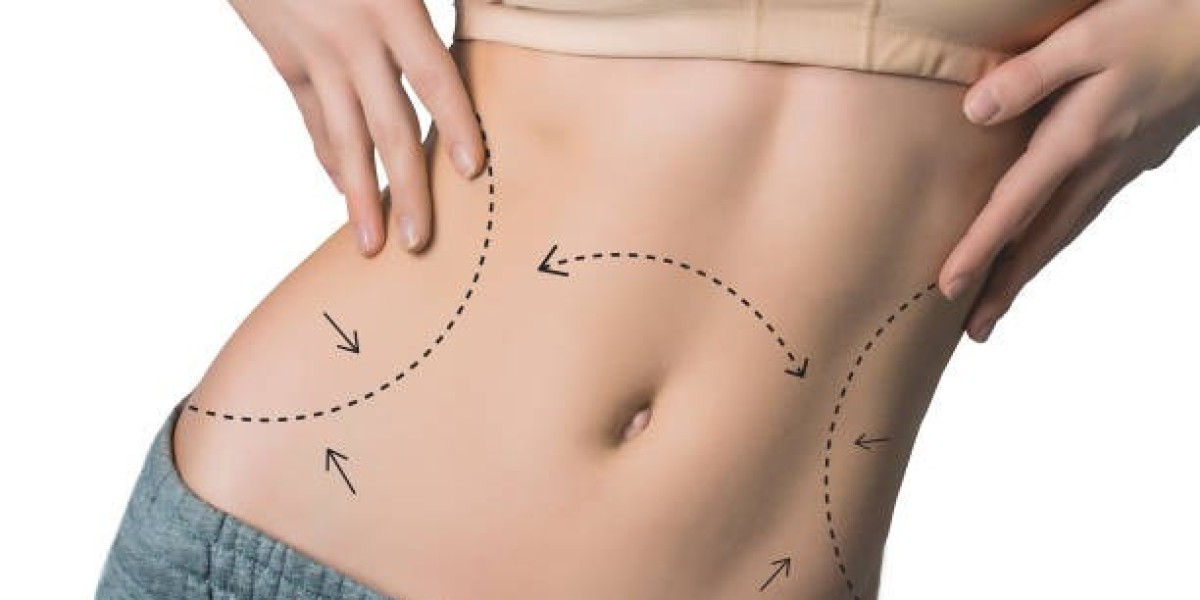

Preparing for liposuction surgery involves more than choosing the areas you want to treat. Patients need to understand the procedure, review their medical history, follow their surgeon’s instructions, and plan for a safe recovery. Liposuction in Riyadh (عملية شفط الدهون في الرياض) can help address stubborn fat deposits in selected body areas, but appropriate preparation is essential for reducing avoidable risks and supporting healing. Knowing what to expect before surgery can help patients feel more confident and make informed decisions about their treatment.
Schedule a Comprehensive Medical Consultation
The first step is to arrange a consultation with a qualified plastic surgeon. During this appointment, the surgeon evaluates your health, examines the areas you want to treat, and discusses your expectations.
Share Your Medical History
Tell your surgeon about existing medical conditions, previous operations, allergies, and any history of complications with anesthesia. Provide a complete list of prescription medicines, over-the-counter medications, vitamins, and herbal supplements you take. This information helps the medical team assess your suitability for surgery and plan appropriate precautions.
Discuss Your Treatment Goals
Explain which areas concern you and what changes you hope to achieve. Your surgeon can clarify whether liposuction is appropriate or whether another procedure may better address concerns such as loose skin. Realistic expectations are important because liposuction improves body contours but does not replace weight-loss treatment or guarantee a specific result.
Follow Preoperative Medical Instructions
Your surgeon may request medical examinations or tests based on your health, age, and the planned procedure. Complete all recommended assessments before your scheduled surgery.
Review Your Medications and Supplements
Some medications and supplements can affect bleeding, blood pressure, or anesthesia. Ask your surgeon which products should be continued, adjusted, or temporarily stopped. Never discontinue prescribed medication without medical guidance, particularly if you take medication for heart conditions, diabetes, or blood clot prevention.
Follow Fasting Instructions
If your procedure involves general anesthesia or sedation, you may be instructed to avoid food and drinks for a specific period before surgery. Follow the exact instructions provided by your anesthesia team. Eating or drinking outside the permitted timeframe can increase anesthesia-related risks and may require the procedure to be postponed.
Maintain Healthy Habits Before Surgery
Good general health can support recovery, although no preparation routine eliminates every surgical risk.
Eat a Balanced Diet and Stay Hydrated
Choose balanced meals containing protein, vegetables, fruits, and other nutrient-rich foods. Adequate nutrition supports normal tissue repair. Drink fluids according to your medical team's guidance, particularly when approaching the required fasting period.
Avoid crash diets or rapid weight-loss methods before surgery. Maintaining a relatively stable weight can help your surgeon assess your body contours more accurately.
Stop Smoking and Avoid Nicotine
Smoking and nicotine products can impair circulation and wound healing. They may also increase the risk of complications. Ask your surgeon how far in advance you should stop smoking, vaping, or using other nicotine products and how long to avoid them after surgery.
Avoid Alcohol When Advised
Alcohol can interact with certain medications and may affect hydration or anesthesia planning. Follow your surgeon's advice about when to stop drinking before surgery and when it is safe to resume afterward.
Prepare Your Home for Recovery
Planning ahead can make the first few days after liposuction more manageable.
Arrange Transportation and Support
If you receive general anesthesia or sedation, arrange for a responsible adult to take you home. You may also need someone to stay with you during the initial recovery period, depending on the procedure and your medical team's instructions.
Organize Essential Supplies
Prepare loose, comfortable clothing and any compression garments recommended by your surgeon. Keep prescribed medications, water, meals, and frequently used items within easy reach. Arrange a comfortable resting area where you can move around safely when advised.
Plan Time Away From Work and Exercise
Recovery time depends on the extent of surgery, the areas treated, and your individual healing progress. Discuss when you can return to work, drive, lift heavy objects, and resume exercise. Avoid scheduling demanding activities immediately after surgery.
Understand the Risks and Recovery Process
Before proceeding with Liposuction in Riyadh, ask your surgeon to explain the potential benefits, limitations, and complications. Possible risks include infection, bleeding, fluid accumulation, irregular contours, changes in sensation, and anesthesia-related complications. More serious complications can occur, although their likelihood varies with individual health and surgical circumstances.
Your medical team should explain how to care for incisions, wear compression garments if prescribed, manage discomfort, and attend follow-up appointments. Contact your healthcare provider promptly if you develop concerning symptoms. Severe shortness of breath, chest pain, fainting, or sudden difficulty breathing requires emergency medical attention.
Follow Your Surgeon’s Final Instructions
In the days before surgery, confirm your arrival time, transportation arrangements, fasting requirements, medication plan, and postoperative support. Inform your surgical team if you develop a fever, respiratory illness, skin infection, or another significant health change before the procedure. Surgery may need to be delayed if proceeding would be unsafe.
Careful preparation helps you understand each stage of treatment and reduces uncertainty about what happens next. Your surgeon's instructions should always take priority over general advice because preparation requirements differ between patients and surgical techniques.
Conclusion
Preparing safely for liposuction includes completing a medical assessment, reviewing medications, following fasting instructions, maintaining healthy habits, and organizing support for recovery. Understanding possible complications and setting realistic expectations are equally important. With appropriate planning and professional medical guidance, patients can approach surgery with a clearer understanding of the procedure and their responsibilities during recovery.
Book an Appointment at Royal Clinic Saudia
If you are considering Liposuction in Riyadh, book a consultation at Royal Clinic Saudia ( عيادات رويال كلينك ) to discuss your goals, medical suitability, and preparation requirements. A qualified medical professional can explain the procedure, review potential risks, and provide individualized instructions to help you prepare for treatment safely.