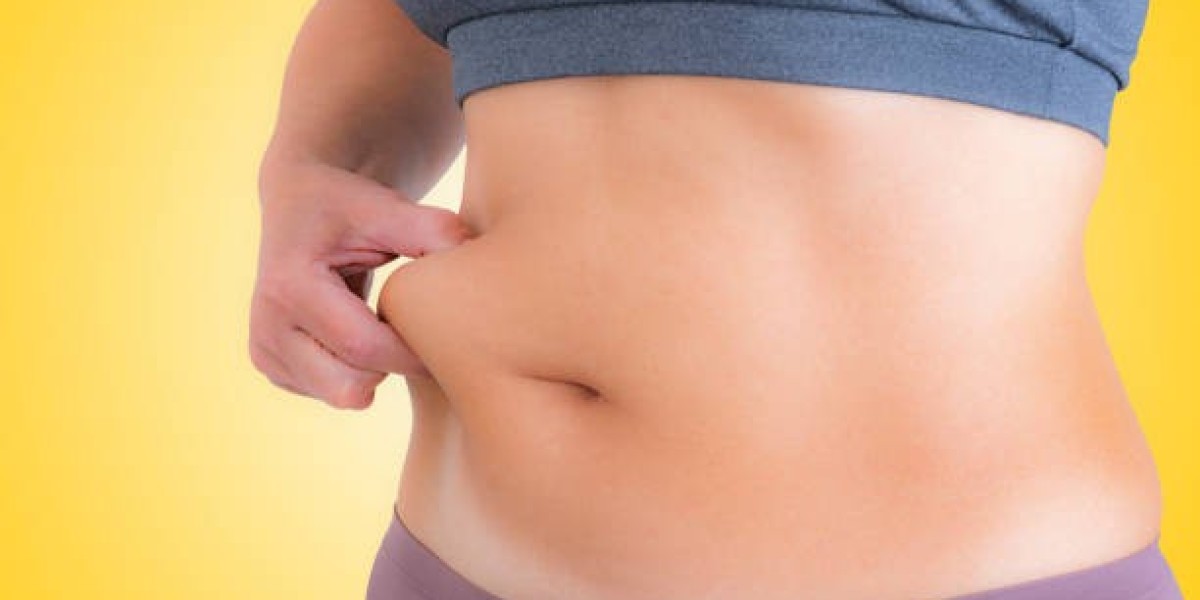

Choosing the right clothing after abdominal surgery can make recovery more comfortable and help protect the healing incision. Loose fabrics, easy-to-wear garments, and surgeon-approved compression wear can reduce unnecessary pressure on the abdomen while allowing easier movement. Patients considering Tummy tuck surgery in Riyadh (عملية شد البطن في الرياض) should understand which clothing options are appropriate during the early recovery period and how their wardrobe may need to change as healing progresses.
After surgery, the abdominal area may feel swollen, tender, and tight. Clothing that rubs against the incision or requires excessive bending to put on can increase discomfort. Planning comfortable outfits before the procedure can simplify daily activities and help patients follow their postoperative instructions. Tummy tuck surgery in Riyadh involves an individualized recovery process, so clothing choices should always reflect the surgeon's guidance and the patient's specific needs.
Why Clothing Matters After Tummy Tuck Surgery
A tummy tuck, also called abdominoplasty, removes excess abdominal skin and may tighten weakened muscles. The incision and surrounding tissues need time to heal, making gentle support and minimal friction important during recovery.
Reducing Pressure on the Abdomen
Tight waistbands, stiff fabrics, and restrictive clothing can press against sensitive tissues. Soft garments with adjustable closures can help patients dress without putting unnecessary strain on the surgical area. Avoid clothing that causes pain, leaves deep marks, or interferes with breathing.
Making Daily Activities Easier
During the first days after surgery, standing upright and reaching down may feel difficult. Clothing that opens at the front or has a simple pull-on design can make dressing easier. Having assistance available may also help prevent sudden movements that strain the abdomen.
Wear Your Prescribed Compression Garment
A compression garment is commonly recommended after tummy tuck surgery, depending on the procedure and the surgeon's protocol. It provides support around the abdominal area and may help manage swelling during recovery.
Follow Your Surgeon's Instructions
Your surgeon will explain when to start wearing the garment, how long to wear it, and when it can be removed for bathing or wound care. Follow these instructions rather than relying on advice intended for other patients, because recommendations vary with surgical technique and individual healing.
Choose the Correct Fit
The garment should feel supportive without causing excessive pressure. A garment that is too tight may cause discomfort, skin irritation, or breathing difficulties. If you notice worsening pain, numbness, skin discoloration, or unusual pressure, contact your surgical team for advice.
Avoid Replacing Medical Compression With Shapewear
Regular shapewear, waist trainers, and tight abdominal belts are not necessarily suitable substitutes for a prescribed postoperative garment. They may apply pressure unevenly or rub against the incision. Use only the support garment approved by your surgeon during the recommended recovery period.
Best Clothing Options After Tummy Tuck Surgery
Selecting practical clothing before your procedure can make the first weeks at home more manageable.
Loose-Fitting Shirts and Tops
Choose soft, breathable tops that do not cling to the abdomen. Button-up or zip-front shirts are especially useful because they can be put on and removed without lifting your arms excessively or pulling fabric over your head.
Comfortable Pants With Adjustable Waistbands
Loose pants with elastic or adjustable waistbands can be easier to wear than jeans or trousers with rigid buttons and zippers. Make sure the waistband does not press against the incision or interfere with your compression garment.
Soft Dresses and Nightwear
Loose dresses, nightgowns, and comfortable sleepwear can reduce friction around the abdomen. Choose designs that allow easy access for dressing changes or medical checks when necessary. Avoid rough seams and decorative elements that sit directly over the surgical area.
Slip-On Footwear
Supportive slip-on shoes or slippers can help reduce the need to bend down while dressing. Choose footwear with good grip to lower the risk of slipping, particularly if medication causes dizziness or drowsiness.
What Should You Avoid Wearing?
Certain clothing choices may cause irritation or make movement more difficult during early recovery.
Tight Jeans and Rigid Waistbands
Avoid restrictive jeans, belts, and trousers that press firmly against the abdomen. Return to fitted clothing gradually, once swelling has reduced and your surgeon confirms it is appropriate.
Rough or Irritating Fabrics
Scratchy materials, stiff seams, and rough elastic can rub against sensitive skin. Soft cotton and other breathable materials are often comfortable choices, provided they do not stick to dressings or create friction around the incision.
Clothing That Is Difficult to Remove
Avoid outfits that require significant bending, twisting, or stretching. Complicated fastenings and tight-fitting garments can make dressing unnecessarily uncomfortable during the initial healing period.
How to Dress Safely During Recovery
Prepare several comfortable outfits before surgery and keep frequently used clothing within easy reach. Sit down while dressing if you feel unsteady, and ask for assistance when necessary. Follow your instructions for incision care, showering, and changing dressings, and do not remove surgical dressings or compression garments unless directed.
As recovery progresses, you can gradually return to your usual wardrobe when movement becomes easier and your surgeon approves. If clothing causes persistent irritation, bleeding, increasing swelling, or worsening pain, stop wearing it and contact your medical team.
Consultation at Royal Clinic Saudia
For guidance about recovery clothing and postoperative care, contact Royal Clinic Saudia (عيادات رويال كلينك) to discuss your questions with a qualified medical professional. A consultation can help you understand the recommended compression garment, suitable clothing, and precautions based on your procedure and healing progress.
FAQs:
How long should I wear a compression garment after tummy tuck surgery?
The recommended duration varies according to the surgical technique and your surgeon's protocol. Follow your personalized instructions about daily wear, removal, and when to stop using the garment.
Can I wear regular underwear after tummy tuck surgery?
You may be able to wear soft, loose underwear if it does not rub against the incision or interfere with dressings. Ask your surgeon which styles are suitable for your incision location.
When can I wear jeans after tummy tuck surgery?
You should wait until swelling and tenderness have improved and your surgeon confirms that fitted clothing is appropriate. Start with comfortable styles that do not press against the abdomen.
Is it safe to sleep in my compression garment?
Some surgeons recommend wearing a compression garment while sleeping during part of recovery, while others provide different instructions. Follow your surgeon's guidance and report any breathing difficulty, unusual pressure, or increased pain.