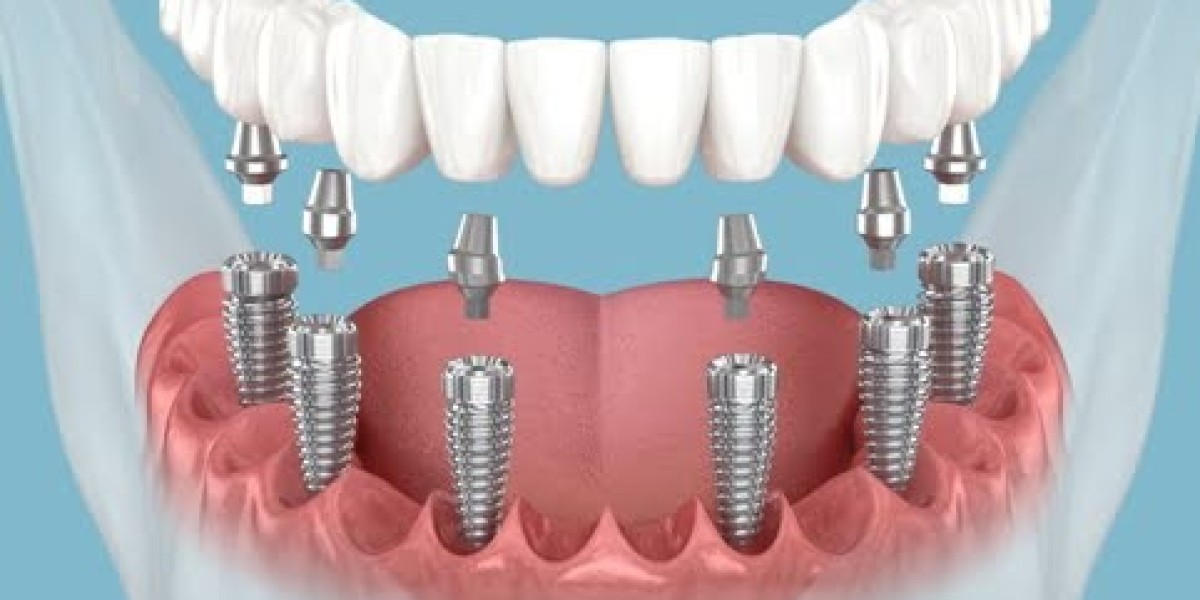

Losing one or more teeth can affect more than your smile. Missing teeth may make chewing difficult, affect how your teeth meet, and change the appearance of your smile. A dental bridge is one option dentists may recommend to replace a missing tooth or teeth. If you are searching for dental bridge cost, understanding what influences the price can help you plan your treatment better.
The total dental bridge cost in Pune can vary depending on the type of bridge, materials used, number of teeth involved, condition of the surrounding teeth, and the treatment required before placement. A dental consultation is important to determine which option is suitable for you and provide an accurate estimate.
What Is a Dental Bridge?
A dental bridge is a fixed dental restoration used to replace one or more missing teeth. It usually consists of an artificial tooth, called a pontic, supported by neighbouring teeth or dental implants.
Unlike a removable denture, a conventional dental bridge is designed to stay in place. It can help restore basic chewing function and improve the appearance of the smile.
Dental bridges may be considered when:
- One or more teeth are missing.
- The neighbouring teeth can provide suitable support.
- You want a fixed replacement rather than a removable option.
- The dentist determines that a bridge is appropriate after examining your teeth and gums.
Dental Bridge Cost in Pune
There is no single price for a dental bridge because every patient's treatment requirements are different. The dentist generally evaluates your oral health, the location of the missing tooth, the type of bridge required, and the material before providing a treatment estimate.
Factors That Affect Dental Bridge Cost
Several factors can influence the overall cost, including:
- Type of dental bridge: Traditional, cantilever, Maryland, and implant-supported bridges have different designs and treatment requirements.
- Material: Bridges may be made using different dental materials, which can affect the overall price.
- Number of missing teeth: Replacing multiple teeth may require a more extensive restoration.
- Condition of supporting teeth: Existing decay, damaged teeth, or gum problems may need treatment before the bridge is placed.
- Additional procedures: Treatments such as tooth preparation, fillings, root canal treatment, or gum care may add to the overall cost when clinically required.
- Laboratory and fabrication requirements: The design and fabrication process can vary depending on the selected restoration.
Because of these factors, it is better to get a personalised estimate after a dental examination rather than relying only on an online price range.
Types of Dental Bridges
1. Traditional Dental Bridge
This is one of the commonly used bridge designs. The artificial tooth is supported by crowns placed on the neighbouring teeth.
2. Cantilever Bridge
A cantilever bridge is supported from one side rather than both sides. Its suitability depends on the location of the missing tooth and the condition of the supporting tooth.
3. Maryland Dental Bridge
A Maryland bridge uses a framework attached to the back of neighbouring teeth. It may be considered in selected situations, particularly for certain front-tooth replacements.
4. Implant-Supported Bridge
Instead of relying on natural teeth, this type of bridge is supported by dental implants. It may be considered when several adjacent teeth are missing and the dentist determines that implant treatment is appropriate.
How Is a Dental Bridge Placed?
The exact process depends on the type of bridge selected, but treatment commonly involves several steps.
- Dental examination: The dentist checks the missing tooth area, surrounding teeth, gums, and overall oral health.
- Treatment planning: The dentist discusses suitable replacement options and explains the expected procedure and cost.
- Preparation: For a traditional bridge, the supporting teeth may need to be carefully reshaped to accommodate crowns.
- Impressions or digital scans: Measurements are taken so the dental laboratory can create a bridge that fits the mouth.
- Temporary restoration: A temporary solution may be provided while the permanent bridge is being prepared, depending on the treatment plan.
- Bridge placement: The final bridge is checked for fit, comfort, appearance, and bite before it is fixed in place.
The number of appointments and treatment time can vary depending on the type of bridge and whether additional dental treatment is needed.
Benefits of Dental Bridges
A dental bridge can offer several potential benefits when it is suitable for the patient:
- Replaces missing teeth with a fixed restoration.
- Helps restore chewing function.
- Can improve the appearance of a smile.
- Helps fill the space created by a missing tooth.
- May support more balanced biting and chewing.
- Can be designed to blend with the appearance of surrounding teeth.
However, a bridge is not suitable for everyone. A dentist should assess the condition of the teeth, gums, and supporting structures before recommending treatment.
What to Expect After Getting a Dental Bridge
Some people may need a short adjustment period after bridge placement. Mild sensitivity or awareness of the new restoration can occur as you get used to it.
Good oral hygiene is important. Brush regularly and clean around and underneath the bridge as recommended by your dentist. Regular dental check-ups can also help monitor the bridge and the supporting teeth.
Avoid using the bridge to bite extremely hard objects, and contact your dentist if you experience persistent pain, looseness, significant sensitivity, or difficulty chewing.
When Should You Consult a Dentist?
Consider scheduling a dental evaluation if you have:
- One or more missing teeth
- Difficulty chewing because of missing teeth
- A damaged tooth that may need replacement
- Changes in your bite after tooth loss
- Concerns about the appearance of a missing tooth
A qualified dentist can examine your mouth and explain whether a dental bridge, implant, denture, or another treatment may be more appropriate.
Why Choose Diagnopein?
Diagnopein can help patients access healthcare services and information through its network. For dental concerns, patients should consult a qualified dental professional to understand their treatment requirements, available options, and expected costs. The appropriate treatment should be selected after a proper dental evaluation rather than based solely on online information.
Frequently Asked Questions
1. What is the dental bridge cost in Pune?
The cost varies depending on the bridge type, material, number of teeth being replaced, condition of supporting teeth, and any additional treatment required. A dental examination is needed for an accurate estimate.
2. How long does a dental bridge procedure take?
The treatment timeline depends on the type of bridge and whether other dental procedures are required. Traditional bridges may involve preparation, impressions or scans, laboratory fabrication, and final placement across multiple appointments.
3. Is a dental bridge better than a dental implant?
Both are different tooth-replacement options. The appropriate choice depends on factors such as oral health, the condition of neighbouring teeth, the number and location of missing teeth, and your dentist's assessment.