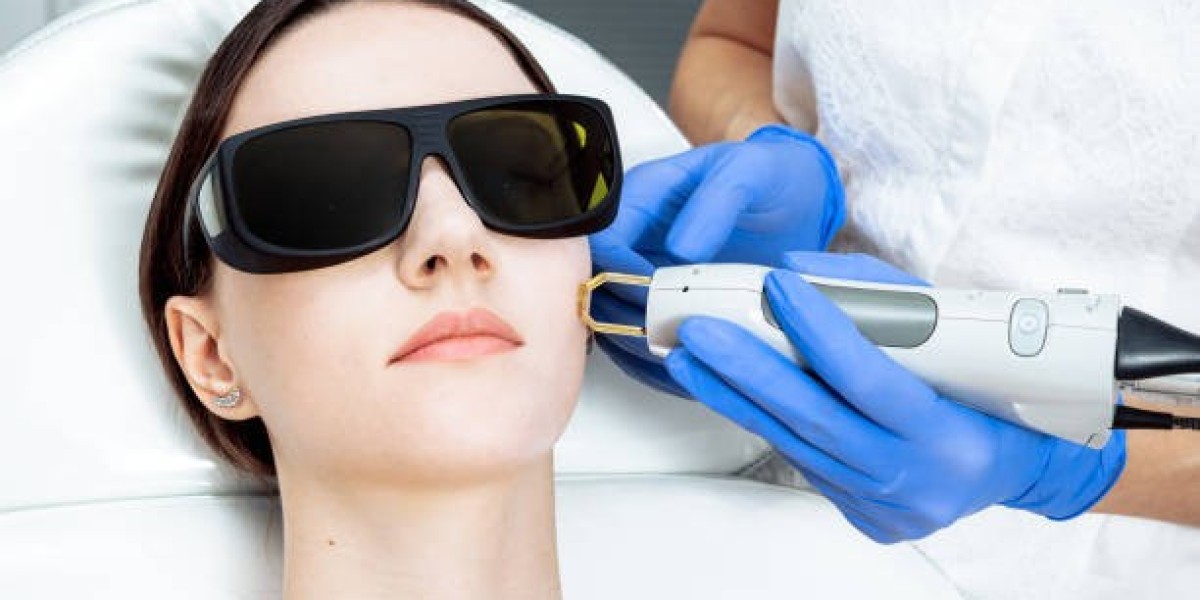

Dark skin spots can develop from sun exposure, acne, inflammation, hormonal changes, and other factors that stimulate excess melanin production. Although a consistent skincare routine can help support a more even complexion, some persistent spots may require targeted professional treatment. q switch laser uses carefully controlled laser energy to interact with unwanted pigment and can help improve the appearance of selected dark spots.
Understanding how the laser works can help you know what to expect from the treatment. Q-switched technology delivers very short pulses of energy that are absorbed by pigment in the skin. This targeted approach can help break down concentrated melanin while allowing the treatment to be adjusted according to skin type and pigmentation. For suitable candidates, Q-switched Laser Treatment in Riyadh can be part of a personalized plan for improving uneven pigmentation.
What Causes Dark Skin Spots?
Sun Exposure
Regular exposure to ultraviolet radiation can stimulate melanin production and contribute to darker areas on the skin. Sun-related spots may become more noticeable over time, particularly on areas that receive frequent sun exposure.
Acne and Skin Inflammation
Acne, irritation, and inflammation can leave behind dark marks after the original skin concern has healed. These marks are often referred to as post-inflammatory hyperpigmentation.
Hormonal and Other Factors
Hormonal changes and certain skin conditions can also contribute to uneven pigmentation. Identifying the underlying cause is important because different types of pigmentation may respond differently to treatment.
What Is Q-switched Laser Treatment?
Short Laser Pulses
Q-switched lasers produce extremely short pulses of energy. Rather than continuously heating the skin, the technology delivers controlled bursts that can target pigment more precisely.
Interaction With Melanin
Melanin absorbs specific wavelengths of laser energy. When the laser reaches the targeted pigment, the energy can break concentrated pigment into smaller particles that the body can gradually process.
How Q-switched Laser Works on Dark Spots
Targeting Excess Pigment
The treatment is directed toward areas containing unwanted pigmentation. The laser energy interacts with the melanin within those spots while treatment parameters are selected according to the individual's skin characteristics.
Breaking Pigment Into Smaller Particles
The short laser pulses can fragment pigment into smaller particles. The body's natural processes can then gradually clear the treated pigment, allowing the spot to become less noticeable over time.
Gradual Improvement
Dark spots generally do not disappear immediately after treatment. The skin needs time to recover and process the targeted pigment, so improvement can develop progressively.
Which Dark Spots May Be Treated?
Sun-Related Dark Spots
Certain localized spots associated with sun exposure may respond to Q-switched laser treatment. Professional assessment is necessary to determine whether a particular spot is appropriate for laser treatment.
Post-Acne Dark Marks
When acne leaves behind pigmentation rather than a significant change in skin texture, targeted laser treatment may help improve the appearance of the dark marks.
Freckles
Some freckles can be treated with laser technology because they contain increased concentrations of melanin. However, results vary according to skin type and individual characteristics.
Why Skin Assessment Is Important
Identifying the Cause
Not every dark spot is caused by the same process. A professional evaluation can help distinguish pigmentation from other types of skin changes and determine whether laser treatment is appropriate.
Assessing Skin Tone
Skin tone plays an important role in laser treatment planning. Appropriate settings need to be selected carefully to target pigmentation while reducing the risk of unwanted changes to surrounding skin.
Evaluating Pigment Depth
Some pigmentation is closer to the surface, while other discoloration can involve deeper layers. The depth and characteristics of the pigment can influence treatment response.
What Happens During a Q-switched Laser Session?
Before Treatment
The skin is examined and the treatment area is assessed. The professional may discuss your pigmentation history, previous treatments, skincare products, and any factors that could influence the procedure.
During Treatment
The laser device delivers controlled pulses to the selected dark spots. You may experience brief sensations of warmth, tingling, or light snapping during the procedure.
Immediately After Treatment
Mild redness or sensitivity may occur. The appearance of the treated spots can also temporarily change as the skin begins its recovery process.
What Influences Treatment Results?
Type of Pigmentation
The cause and characteristics of a dark spot can affect how it responds. Some pigmentation may respond more readily than other forms.
Skin Characteristics
Skin tone, sensitivity, and overall condition can influence treatment settings and recovery. Personalized planning is therefore important.
Number of Sessions
Some dark spots may improve with one session, while others require multiple treatments. The appropriate schedule depends on individual response and treatment goals.
Caring for Skin After Treatment
Use Sun Protection
Sun protection is one of the most important parts of caring for pigmentation-prone skin. Broad-spectrum sunscreen can help reduce ultraviolet exposure that may contribute to new or recurring dark spots.
Keep the Routine Gentle
Avoid unnecessary irritation while the skin is recovering. Gentle cleansing, appropriate moisturizing, and following professional recommendations can help support the skin barrier.
Avoid Picking or Scratching
Allow the treated skin to recover naturally. Picking or scratching the area can increase irritation and may contribute to unwanted pigmentation changes.
Is Q-switched Laser Suitable for Dark Spots?
Q-switched Laser Treatment in Riyadh may be considered for certain dark spots, freckles, and post-inflammatory pigmentation. However, laser treatment is not suitable for every type of skin discoloration. A professional assessment is important to identify the cause of the spot and determine the safest and most appropriate treatment approach.
Book an Appointment at Royal Clinic Saudia
If persistent dark spots are affecting the appearance of your skin, Royal Clinic Saudia can help you explore appropriate treatment options. A professional consultation can assess your pigmentation, skin type, and individual goals before recommending a personalized approach.
FAQs:
How does Q-switched laser target dark spots?
It delivers short pulses of laser energy that interact with melanin and help break excess pigment into smaller particles.
Can Q-switched laser treat acne-related dark marks?
It may help improve post-acne pigmentation when the concern is primarily discoloration rather than textured scarring.
Will dark spots disappear after one treatment?
Not always. Some pigmentation may require multiple sessions, and improvement usually develops gradually.
Can dark spots return after treatment?
Yes. Sun exposure and other pigmentation triggers can contribute to new or recurring spots, making ongoing sun protection important.