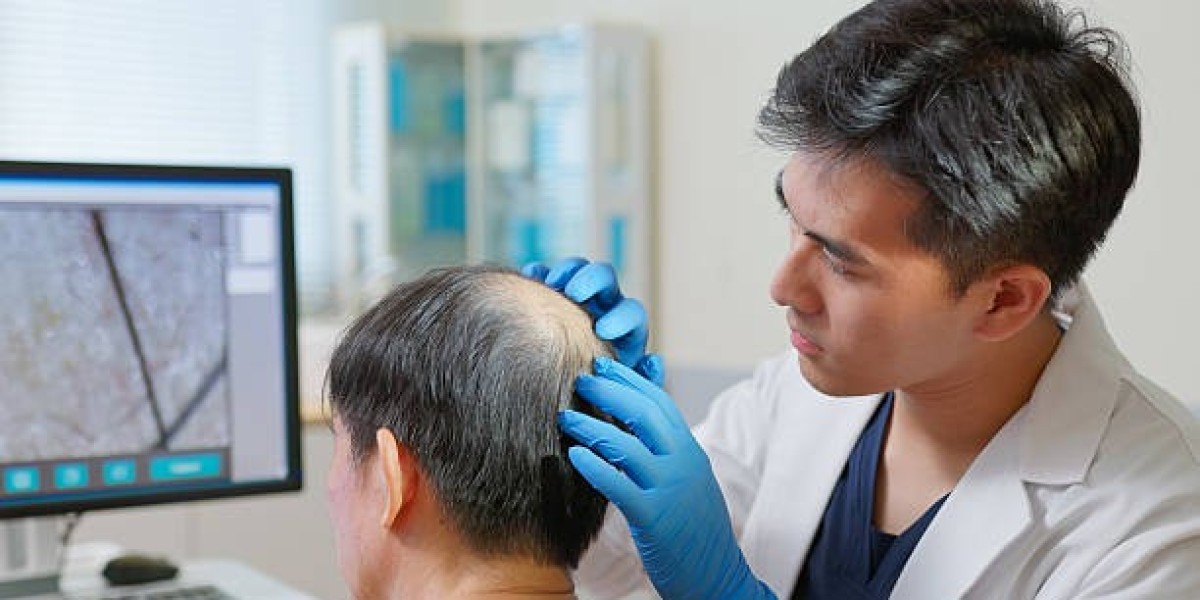

Early hair thinning can be concerning, especially when changes in density are noticed around the hairline, crown, or parting area. Acting when thinning is still developing may provide an opportunity to discuss treatment options before more noticeable loss occurs. PRP Hair Treatment in Riyadh uses a concentrated preparation of the patient’s own blood platelets and is being studied as a treatment option for certain types of hair loss, particularly androgenetic alopecia. Research suggests PRP may improve hair density in some patients, although results can vary.
For people noticing gradual thinning rather than extensive baldness, PRP Hair Treatment in Riyadh may be considered as part of an individualized hair-restoration plan. PRP involves drawing a small amount of blood, processing it to concentrate platelets, and applying the prepared plasma to areas of the scalp affected by thinning. Platelets contain growth-related substances that may support the environment around hair follicles. However, PRP is not a guaranteed cure, and determining the underlying cause of thinning is an important first step.
Understanding Early-Stage Hair Thinning
What does early hair thinning look like?
Early thinning may appear as increased scalp visibility, a widening part, reduced density around the crown, a gradually receding hairline, or more hair being noticed during washing and brushing. These changes can develop slowly, making them easy to overlook at first. A professional evaluation can help distinguish pattern hair loss from temporary shedding or other scalp conditions.
Why identify the cause first?
Hair thinning can have multiple causes, including androgenetic alopecia, nutritional deficiencies, hormonal changes, certain medical conditions, stress, medications, and scalp disorders. PRP is most commonly discussed in research involving androgenetic alopecia, so identifying the cause helps determine whether it is an appropriate option. A treatment plan should be based on the individual's diagnosis rather than thinning alone.
How PRP May Help Early Thinning
Supporting hair density
Studies evaluating PRP for androgenetic alopecia have reported improvements in hair density compared with control treatments. A 2024 systematic review found that several included studies reported statistically significant improvements in hair density or hair count, although the researchers also noted limitations in study quality and differences between treatment protocols.
Supporting weakened follicles
PRP is intended to deliver concentrated platelets to the scalp, where their growth-related factors may influence the local follicular environment. The goal is not to create new follicles where none exist but to support existing follicles that may still be producing thinner or weaker hairs.
What Happens During PRP Hair Treatment?
Blood collection and preparation
A small blood sample is collected and processed to separate and concentrate the platelet-rich portion. The exact preparation method can differ between protocols, and research has not established one universally standardized approach. Factors such as platelet concentration, activation, and preparation technique may influence results.
Scalp application
The prepared PRP is introduced into selected areas of the scalp using multiple small injections. Treatment is generally focused on regions where thinning has been identified. Because injection patterns and treatment schedules can differ, a qualified professional should determine the approach according to the patient's needs.
Who May Benefit From PRP for Early Thinning?
PRP may be considered for adults with certain forms of early hair thinning, particularly androgenetic alopecia. Patients who still have active but miniaturizing follicles may be considered more suitable than individuals with areas where follicles have been absent for a long period. However, candidacy cannot be determined from the amount of hair loss alone.
A consultation can include examination of the scalp, assessment of the pattern of hair loss, review of medical history, and discussion of previous treatments. In some cases, additional evaluation may be appropriate to investigate another cause of shedding before a procedural treatment is considered.
What Results Can You Expect?
Results develop gradually
Hair growth follows a natural cycle, so improvements should not be expected immediately after treatment. Research has reported improvements in hair density at follow-up periods such as three and six months, but individual responses differ.
Results are not guaranteed
PRP research has produced encouraging findings, but studies differ considerably in preparation methods, injection techniques, treatment schedules, and outcome measurements. A recent meta-analysis described the evidence as low quality because of substantial variation and publication bias. This means patients should have realistic expectations rather than assuming PRP will produce identical results for everyone.
PRP and Other Hair-Loss Treatments
PRP does not necessarily have to be considered in isolation. Depending on the diagnosis, a healthcare professional may discuss established medical treatments or other hair-restoration approaches. Research has also examined PRP alongside topical minoxidil, with some studies suggesting improved hair-density outcomes from the combination, although the certainty of that evidence remains low to very low.
The most appropriate approach depends on the cause and pattern of hair loss, existing medical conditions, medications, and personal treatment goals. Combining treatments should therefore be guided by a qualified healthcare professional rather than self-directed.
Why Early Assessment Matters
Early thinning does not always mean that significant hair loss is inevitable. Seeking an assessment when changes are first noticed can help identify the cause and establish appropriate expectations. If PRP is suitable, beginning a structured treatment plan while follicles remain active may be considered as part of an overall strategy for managing pattern hair loss.
Book an Appointment at Royal Clinic Saudia
If you are noticing early hair thinning or increased scalp visibility, Royal Clinic Saudia can provide an assessment to help identify the likely cause and discuss appropriate treatment options. Book an appointment to learn whether PRP may be suitable for your hair-restoration goals.
FAQs:
Is PRP suitable for early-stage hair thinning?
PRP may be considered for certain types of early hair thinning, particularly androgenetic alopecia. Suitability depends on the diagnosis, follicle condition, medical history, and other individual factors.
How long does it take to see PRP hair results?
Hair changes develop gradually because follicles follow a natural growth cycle. Studies have assessed outcomes at several months after treatment, including around three and six months.
Can PRP regrow hair in completely bald areas?
PRP is generally intended to support existing hair follicles rather than create new follicles in areas where follicles are no longer present. A professional evaluation is needed to determine whether PRP is appropriate.
Are PRP hair-treatment results the same for everyone?
No. Results can vary because of differences in the cause of hair loss, individual response, PRP preparation, treatment technique, and treatment schedule. Current research also highlights significant variation between PRP studies.