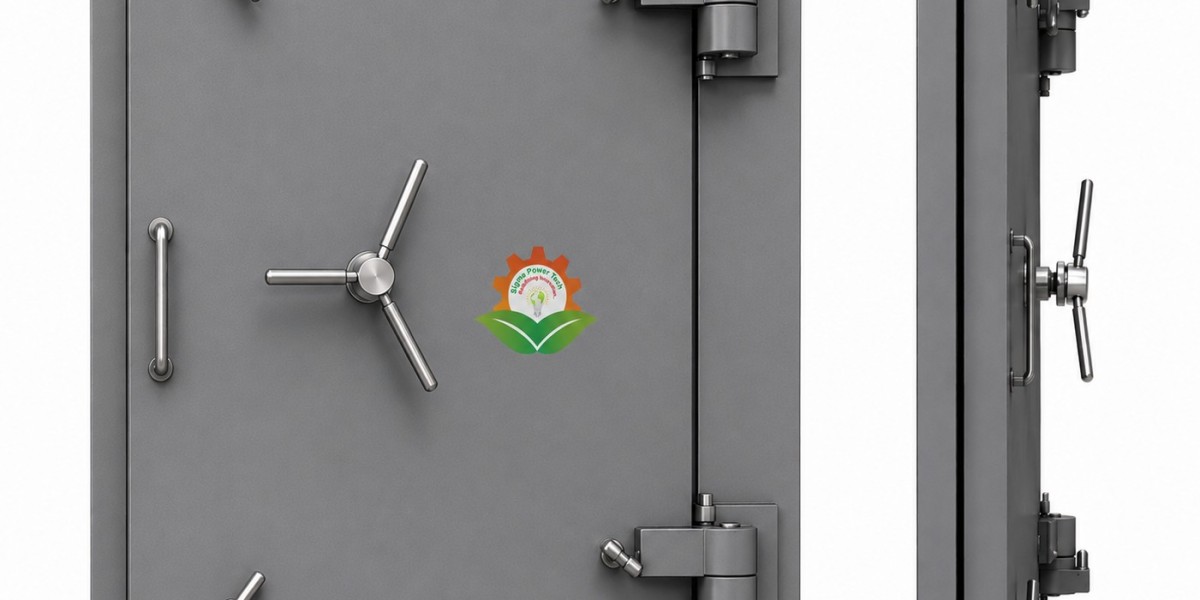

Industrial plants, defence facilities, government buildings, embassies, and hazardous process units all require specialised protective doors. However, understanding the distinction between explosion-resistant and blast-resistant systems is essential for selecting the correct solution. A properly engineered Blast proof door is designed to withstand external explosive pressure waves, whereas explosion-proof designs are generally intended to contain or isolate hazards associated with explosive environments. Knowing where each system is appropriate helps improve safety, compliance, and long-term operational reliability.
What is a Blast Proof Door?
A Blast proof door is a structurally engineered protective barrier designed to resist the pressure and impulse generated by an external explosion. Rather than preventing an explosion from occurring, it protects occupants and critical infrastructure by maintaining structural integrity during a blast event.
Every blast door design consists of a reinforced steel door leaf, heavy-duty hinges, structural locking mechanisms, engineered frames, anchor systems, airtight seals, and a reinforced supporting wall. Each component works together to absorb and redistribute blast energy while limiting structural damage.
The door is engineered according to site-specific blast calculations, including expected pressure levels, stand-off distance, occupancy, and building performance objectives.
How Explosion Proof Doors Differ
Despite the similar terminology, explosion proof doors serve a different purpose.
They are commonly installed in facilities where hazardous gases, vapours, or combustible dust may create explosive atmospheres. Their primary role is to help contain fire, isolate hazardous areas, or support equipment designed for explosive environments rather than resisting large external blast pressures.
In many industrial projects, explosion-proof construction and blast-resistant construction are combined into a single engineered solution when multiple hazards exist.
Blast Pressure Ratings and Certified Testing
One of the defining characteristics of a blast-resistant system is its certified pressure rating.
Certified blast resistant doors undergo engineering analysis and performance testing to verify their ability to withstand specified blast pressures. Typical evaluations include:
Peak reflected blast pressure
Blast impulse
Structural deformation
Frame stability
Locking mechanism performance
Hinge integrity
Operational functionality after blast loading
Compliance with recognised IS/BIS requirements and internationally accepted blast standards ensures the system performs according to its design criteria.
Explosion-proof doors may follow different testing requirements depending on their intended application, making it important to understand the relevant certification before specifying a product.
Structural Performance Under Explosive Pressure Waves
When an external explosion occurs, the resulting pressure wave reaches nearby structures within milliseconds.
A properly engineered blast door controls deformation while maintaining the integrity of the protected opening. Reinforced steel construction, internal stiffeners, high-capacity locking systems, and structural hinges allow the assembly to absorb and transfer loads safely into the surrounding structure.
Reliable blast resistant door systems protect occupants, equipment, and operational continuity by preventing catastrophic failure.
Frame Anchoring and Wall Integration
The performance of a blast-resistant door depends on more than the door leaf itself.
Engineers design the frame, anchors, and supporting wall as one integrated system. Critical considerations include:
Reinforced concrete strength
Frame engineering
Anchor bolt capacity
Weld quality
Structural reinforcement
Installation tolerances
Improper frame integration can significantly reduce the effectiveness of even a certified blast door.
Fire Resistance and Multi-Hazard Protection
Many high-risk facilities require protection against multiple threats.
Modern protective doors can combine:
Blast resistance
Fire resistance
Smoke containment
Corrosion resistance
Airtight sealing
Forced-entry protection
Environmental durability
Where both explosive atmospheres and external blast risks exist, engineers may specify systems that incorporate the benefits of both blast-resistant and explosion-resistant construction.
Automation and Access Control Integration
Advanced protective doors frequently support integrated security systems, including:
Biometric authentication
RFID access control
Building Management System (BMS) integration
Remote monitoring
Fire alarm interfaces
Emergency lockdown controls
Automated opening systems
These technologies improve operational efficiency while maintaining security across critical facilities.
Maintenance and Long-Term Reliability
Protective doors require regular inspection to maintain their performance.
Routine maintenance should include checks of hinges, locking mechanisms, seals, coatings, anchor systems, frame alignment, automation equipment, and structural connections.
Preventive maintenance reduces operational risk and helps preserve the certified performance of blast-resistant systems throughout their service life.
Key Features of Blast Resistant Door Systems
An engineered blast protection solution should provide:
High structural strength
Certified blast pressure rating
Corrosion-resistant construction
Fire-resistant capability
Airtight sealing
Security-grade locking systems
Reinforced frames and hinges
Long operational lifespan
Low maintenance requirements
Compliance with recognised certification standards
These characteristics ensure dependable performance in demanding environments.
Applications Across Critical Infrastructure
Blast-resistant systems are widely used in:
Defence and military installations
Government and administrative buildings
Embassies and consulates
Oil & gas and petrochemical plants
Power generation facilities
Data centres
Ammunition depots
Industrial process units handling hazardous materials
Projects involving combustible gases or explosive atmospheres may also require explosion proof doors, depending on the operational risk assessment.
Cost and Investment Factors
Several engineering factors influence the overall blast door price, including:
Required blast pressure rating
Door size and configuration
Steel grade and plate thickness
Frame and anchoring engineering
Testing and certification costs
Automation and locking systems
Installation complexity
Site-specific structural assessment
Long-term maintenance planning
Selecting the correct door type at the design stage reduces lifecycle costs while improving overall facility protection.
Selecting the Right Manufacturer
When evaluating Blast proof door manufacturers in India, buyers should prioritise engineering capability over catalogue specifications.
Consider manufacturers with:
Extensive industry experience
Blast engineering and testing expertise
Compliance with IS/BIS and recognised international blast standards
Customisation capability
Precision manufacturing
Professional installation services
Comprehensive technical support
After-sales maintenance programmes
Proven project performance
An experienced Sigma Power Tech manufacturer and service provider offers integrated engineering, manufacturing, installation, and lifecycle support for high-security facilities. Every Sigma Power Tech blast door is developed using project-specific engineering to satisfy defence, industrial, government, and critical infrastructure requirements.
Common Mistakes to Avoid
When selecting protective doors, avoid these common errors:
Choosing solely on purchase price
Ignoring site-specific blast pressure assessments
Incorrect frame and wall integration
Underestimating fire or corrosion risks
Failing to verify certification
Neglecting maintenance planning
Overlooking future security and automation requirements
A proper engineering assessment should always determine whether blast resistance, explosion resistance, or a combination of both is required.
Conclusion
Although the terms are sometimes confused, Blast proof door systems and explosion-proof doors are engineered for different safety objectives. Blast-resistant doors protect buildings and occupants from external explosive pressure waves, while explosion-proof doors are generally intended for hazardous environments where explosive atmospheres may be present. Selecting the correct solution depends on detailed risk assessment, certified engineering, structural integration, and verified testing. By prioritising appropriate blast ratings, professional installation, and long-term maintenance instead of upfront cost alone, organisations can achieve reliable protection for critical infrastructure and mission-essential operations.