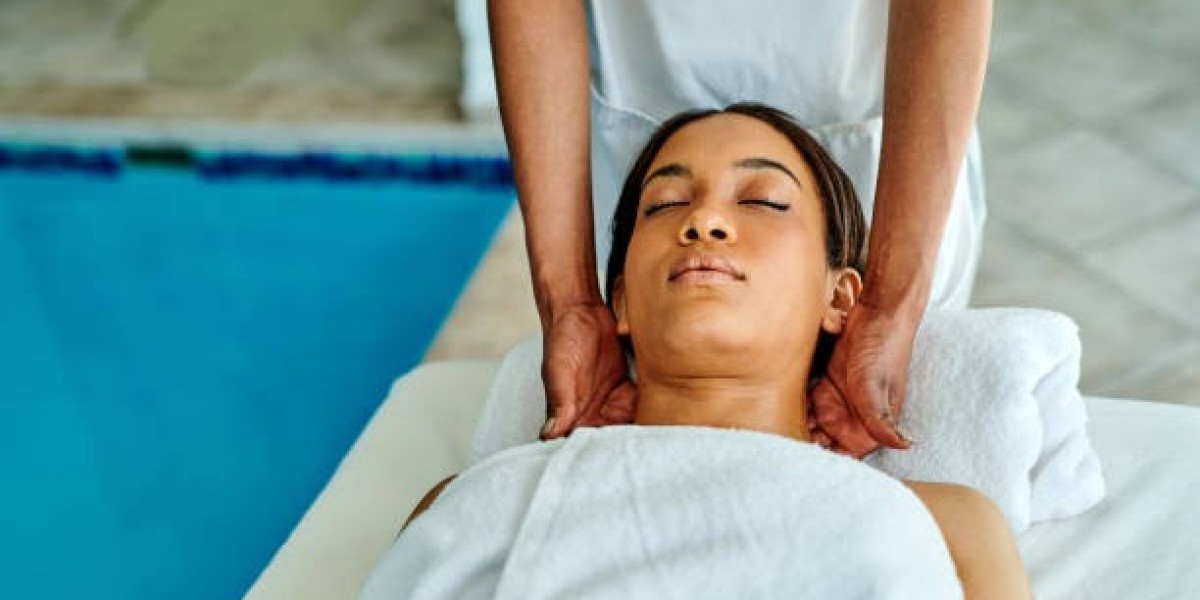

Preparing properly for a lymphatic drainage massage can help make the session more comfortable and allow the practitioner to understand your individual needs. Since the technique focuses on supporting natural lymph fluid movement, Lymphatic drainage massage in Riyadh (التدليك اللمفاوي في الرياض) can be approached as part of a personalized wellness or recovery plan. Simple preparation, clear communication, and appropriate medical guidance are especially important for people receiving lymphatic care after surgery or for swelling-related concerns.
What Is Lymphatic Drainage Massage?
Lymphatic drainage massage is a gentle technique that uses light, rhythmic movements to support the movement of lymph fluid through superficial lymphatic pathways. The lymphatic system contributes to fluid balance and immune function, while muscle activity, breathing, and normal movement also help lymph circulate through the body.
Why Preparation Matters
Preparation gives the practitioner useful information about your goals, medical history, recent procedures, and areas of concern. It can also help identify situations where massage may need to be postponed or modified.
What Should You Tell Your Practitioner Before Treatment?
Before your first session, provide accurate information about your health and the reason you are seeking lymphatic drainage. This allows the practitioner to determine whether the technique is appropriate and how the session may need to be adapted.
Mention Recent Surgery
If you recently had cosmetic or other surgery, tell the practitioner when the procedure took place, which areas were treated, and whether your surgeon has cleared you for lymphatic massage. Incisions, drains, healing tissues, and postoperative restrictions can affect how treatment is performed.
Discuss Swelling or Other Symptoms
Explain where swelling or discomfort occurs and whether it is new, persistent, painful, or changing. Unexplained swelling may require medical evaluation before massage rather than being treated as a simple lymphatic concern.
Should You Drink Water Before a Session?
Maintaining normal hydration is generally a sensible part of preparing for a massage session. However, there is no need to excessively increase water intake immediately before treatment. Drink according to your normal needs unless a healthcare professional has given you different instructions.
Avoid Overhydration
Drinking unusually large amounts of water does not guarantee better lymphatic drainage. Excessive fluid intake can be inappropriate for some people, particularly those with medical conditions that require fluid restrictions.
What Should You Eat Before Lymphatic Drainage?
There is generally no need for a special diet before lymphatic drainage. A normal, balanced meal pattern is usually more practical than arriving either extremely full or excessively hungry.
Keep Meals Comfortable
If abdominal treatment is planned, eating a very large meal immediately before the session may feel uncomfortable. A lighter meal or normal eating schedule may be preferable depending on your personal comfort.
Avoid Unfamiliar Foods
It may be sensible to avoid foods that you already know cause digestive discomfort before a session. The goal is simply to arrive feeling comfortable rather than following a restrictive diet.
What Should You Wear?
Comfortable, loose clothing can make getting ready for treatment easier. Depending on the area being treated and the clinic's approach, you may be provided with appropriate instructions about clothing or changing before the session.
Choose Comfortable Clothing
Avoid clothing that is excessively tight around areas that are swollen or sensitive. Comfort is particularly important after surgery, when tissues may still feel tender.
Should You Exercise Before a Session?
Normal light movement may be appropriate for many people, but strenuous exercise immediately before treatment is not necessary. If you are recovering from surgery, follow your surgeon's activity restrictions instead.
Follow Your Recovery Plan
Postoperative patients should not increase physical activity simply to prepare for lymphatic drainage. Your surgical team's instructions should take priority over general wellness advice.
What Happens During the Consultation?
A professional lymphatic drainage session may begin with a discussion of your goals, health history, symptoms, and treatment expectations. The practitioner may also consider areas of swelling, previous procedures, and any relevant medical restrictions.
Expect a Personalized Approach
There is no single technique or treatment schedule that suits everyone. The areas addressed and the intensity of treatment should be adapted according to your needs and the reason lymphatic drainage is being considered.
Ask Questions
If you are unsure about the technique, expected sensations, treatment frequency, or postoperative restrictions, ask the practitioner before the session begins. Clear communication can make the experience more comfortable and help establish realistic expectations.
What Should You Avoid Before Lymphatic Drainage?
There is no universal list of activities that everyone must avoid, but certain situations require caution. Do not hide relevant medical information or recent procedures from the practitioner simply because you want to proceed with treatment.
Avoid Unapproved Treatment
If you have recently undergone surgery, do not receive massage until your surgical team has confirmed that it is appropriate. Similarly, unexplained or rapidly developing swelling should be assessed before attempting to treat it with massage.
Do Not Expect a Detox or Weight-Loss Effect
Lymphatic drainage should not be approached as a quick detox or fat-loss treatment. Its primary purpose is to support lymphatic fluid movement and, in appropriate cases, comfort associated with certain types of swelling.
Who May Need Medical Clearance?
Some people should obtain medical guidance before receiving lymphatic drainage. This may include individuals with active infections, certain blood-clotting concerns, significant heart or kidney conditions, unexplained swelling, or recent surgery.
Why Professional Assessment Is Important
Swelling can have many causes, and massage is not suitable for every condition. Medical assessment can help determine whether lymphatic drainage is appropriate or whether another form of care is needed.
What Should You Expect After the Session?
After an appropriate session, some people may feel relaxed or notice temporary changes in areas affected by fluid accumulation. Individual responses vary, and there is no guarantee that swelling or puffiness will change immediately.
Stay Consistent With Professional Advice
If lymphatic drainage is part of a recovery or supportive care plan, follow the recommended schedule and any accompanying instructions. Results are influenced by the underlying cause of fluid accumulation and overall health.
Book a Consultation at Royal Clinic Saudia
If you are considering lymphatic drainage and want guidance on preparing for your session, a professional consultation can help ensure that treatment is appropriate for your needs. Lymphatic drainage massage in Riyadh can be tailored to individual wellness or recovery goals when medically suitable. Contact Royal Clinic Saudia (عيادات رويال كلينك) to discuss your concerns and arrange a consultation.
FAQs:
Should I drink water before lymphatic drainage massage?
Normal hydration is generally appropriate, but excessive water intake is unnecessary. Follow any specific fluid instructions provided by your healthcare professional.
Should I eat before a lymphatic drainage massage?
There is usually no special eating requirement. A normal, comfortable meal schedule is generally suitable, while very large meals immediately before treatment may feel uncomfortable.
What should I wear to a lymphatic drainage massage?
Comfortable, loose clothing is generally practical. The clinic may provide additional instructions depending on the treatment area and technique.
Can I have lymphatic drainage after surgery?
It may be appropriate as part of some postoperative recovery plans, but you should receive clearance from your treating surgeon or healthcare professional before beginning treatment.