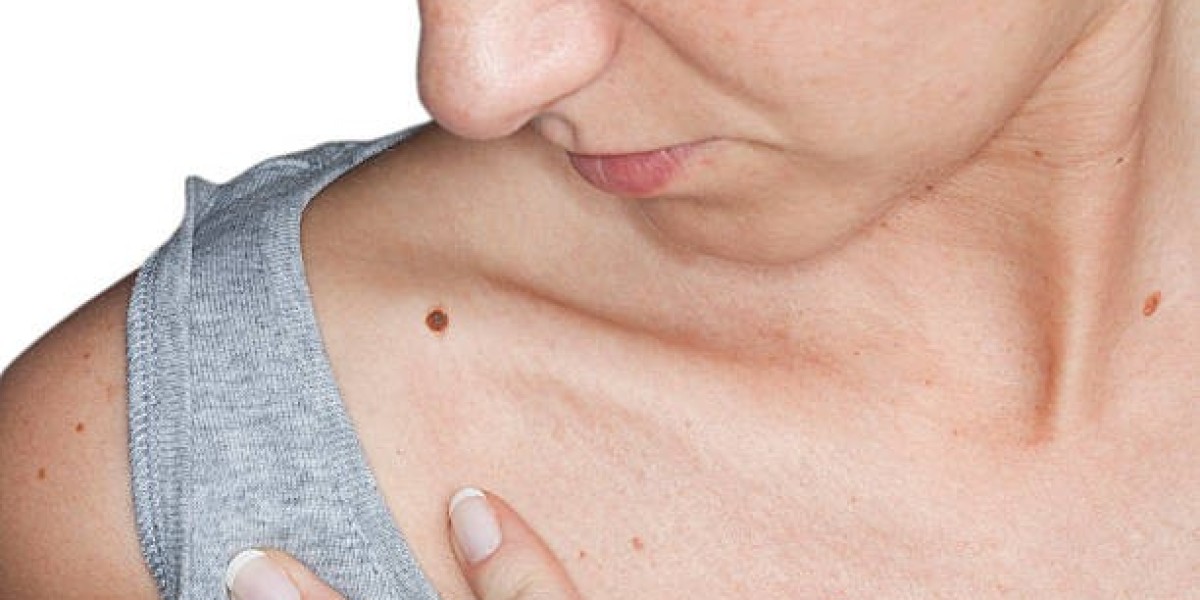

Moles are common skin growths that may vary in size, shape, color, and texture. While many are harmless, some people may want them removed because they are noticeable, frequently irritated, or located in an inconvenient area. When considering mole removal, it is important to understand why professional treatment is different from attempting to remove a mole at home. A clinical approach focuses not only on changing the mole's appearance but also on proper assessment, appropriate technique, safety, and aftercare.
Professional Mole Removal Starts With Skin Assessment
One of the biggest differences between professional treatment and home remedies is the evaluation that takes place before removal. A qualified skin specialist can examine the mole and look for characteristics that may require further investigation.
Changes in size, shape, color, or texture, as well as bleeding, persistent itching, crusting, or pain, should be assessed professionally. These signs do not automatically indicate a serious condition, but they should not be overlooked.
Why Examination Matters
A mole that appears cosmetic on the surface may still require medical assessment. A specialist can determine whether removal is appropriate and whether the tissue should be examined after removal.
Home remedies cannot provide this level of clinical evaluation.
Home Remedies Can Cause Skin Damage
Some home mole-removal methods involve cutting, burning, scraping, or applying unregulated chemical products. These approaches can damage healthy skin surrounding the mole and may result in irritation, burns, bleeding, infection, or noticeable scarring.
Even products marketed specifically for mole removal may not be suitable for every skin type or every type of mole.
Trying to remove a mole without professional guidance can also make it more difficult to determine what the original lesion looked like if medical assessment becomes necessary later.
Professional Techniques Are Selected for the Individual
There is no universal technique for removing every mole. Depending on its appearance, depth, location, and clinical characteristics, a specialist may consider approaches such as shave removal or surgical excision.
Shave Removal
For selected raised moles, a specialist may use a controlled shave technique to remove the growth from the skin. Whether this approach is suitable depends on the individual mole.
Surgical Excision
Surgical excision involves removing the mole more completely and may be recommended when the characteristics of the lesion make complete removal or tissue examination appropriate.
The treatment decision should be based on professional assessment rather than simply choosing the method that appears easiest.
Professional Treatment Can Include Tissue Examination
An important advantage of clinical removal is the ability to send appropriate tissue for pathological examination when indicated. Laboratory analysis can help determine the nature of a mole when there are medical concerns.
This is particularly important when a mole has unusual or changing characteristics. A home remedy does not provide the same opportunity for controlled tissue removal and appropriate examination.
Professional Care Helps Manage Scarring Risks
Both professional procedures and inappropriate home treatments can potentially leave marks. However, clinical treatment allows the provider to select a technique based on the mole and its location while considering the surrounding skin.
For Mole Removal in Riyadh, the specialist can explain the possibility of redness, pigmentation changes, scarring, or temporary changes in skin texture before treatment. Although no procedure can guarantee completely scar-free skin, appropriate technique and aftercare can support proper healing.
Recovery Is Easier to Manage With Aftercare Guidance
After professional removal, patients receive instructions for caring for the treated area. Depending on the procedure, this may involve keeping the area clean, protecting it from irritation, following wound-care recommendations, and limiting excessive sun exposure during healing.
With home remedies, people may not know how to respond if the area becomes excessively irritated, infected, or slow to heal.
Home Removal Can Delay Proper Diagnosis
Perhaps the most important concern with home treatment is that it may delay appropriate medical evaluation. If a suspicious mole is partially removed, burned, or altered, its appearance may become more difficult to assess.
Professional assessment before treatment helps ensure that a potentially concerning mole is not treated as a simple cosmetic issue.
Professional Removal Offers More Predictable Treatment Planning
Clinical procedures are performed using controlled techniques and appropriate equipment. The specialist considers the mole's characteristics and the patient's skin before deciding how to proceed.
This individualized approach can make the treatment process more predictable than experimenting with household ingredients or over-the-counter products.
What Patients Should Consider Before Treatment
Before choosing Mole Removal in Riyadh, ask the provider:
Does the mole need medical assessment?
Which removal method is appropriate?
Will the tissue need pathological examination?
What changes should I expect during healing?
Could the procedure leave a scar or pigmentation change?
How should I care for the treated area?
What symptoms should prompt follow-up?
Having these questions answered can help you make an informed decision.
Choosing Professional Care Over Home Remedies
Removing a mole is not simply about making a skin growth disappear. The mole should first be evaluated, and the treatment method should be selected according to its individual characteristics.
For Mole Removal in Riyadh, professional care provides an opportunity for proper assessment, controlled treatment, appropriate tissue examination when needed, and structured aftercare. These factors make clinical treatment fundamentally different from unverified home remedies.
Book an Appointment at Royal Clinic Saudia
If you are considering mole removal, a professional consultation is a safer starting point than attempting to treat the mole yourself. At Royal Clinic Saudia, specialists can evaluate your skin concern, discuss suitable treatment options, and explain the expected recovery process. Mole Removal in Riyadh should be approached with careful assessment and individualized professional guidance rather than relying on potentially harmful home remedies.
FAQs:
Are home remedies safe for removing moles?
They can cause burns, infection, bleeding, irritation, and scarring, and may delay appropriate medical assessment.
Can I cut off a mole at home?
No. Cutting a mole yourself can cause significant bleeding, infection, scarring, and may interfere with proper medical evaluation.
Why might a removed mole need laboratory testing?
If a mole has concerning or unusual characteristics, pathological examination can help determine what type of tissue was removed.
Is professional mole removal always scar-free?
No. Any removal procedure can potentially leave a scar or pigmentation change, depending on the technique and individual healing response.