
Hair thinning is a common concern for many women and can affect appearance, confidence, and overall satisfaction with their hair. Changes in hair density may develop gradually because of hormonal fluctuations, genetics, nutritional concerns, stress, aging, or other underlying factors. As awareness of modern hair restoration approaches continues to grow, platelet-rich plasma therapy has become an area of interest for women looking for nonsurgical options.
PRP Hair Treatment in Riyadh uses a preparation derived from the patient’s own blood to support the scalp and potentially encourage healthier hair growth. The treatment is designed around the biological properties of platelets and growth factors, which may contribute to tissue repair and follicle support. Understanding how the procedure works, who may benefit, and what results can realistically be expected can help women make informed decisions about their hair care.
Understanding Hair Thinning in Women
Female hair thinning can appear in several ways. Some women notice a widening part, reduced density around the crown, increased hair shedding, or a generally thinner appearance. Unlike sudden hair loss, gradual thinning can sometimes go unnoticed until the change becomes more visible.
Common contributing factors include hereditary hair loss, hormonal changes, pregnancy, menopause, stress, certain medical conditions, nutritional deficiencies, and some medications. Because the cause can differ considerably from one person to another, identifying the underlying reason for hair thinning is an important part of choosing an appropriate treatment approach.
What Is PRP Hair Treatment?
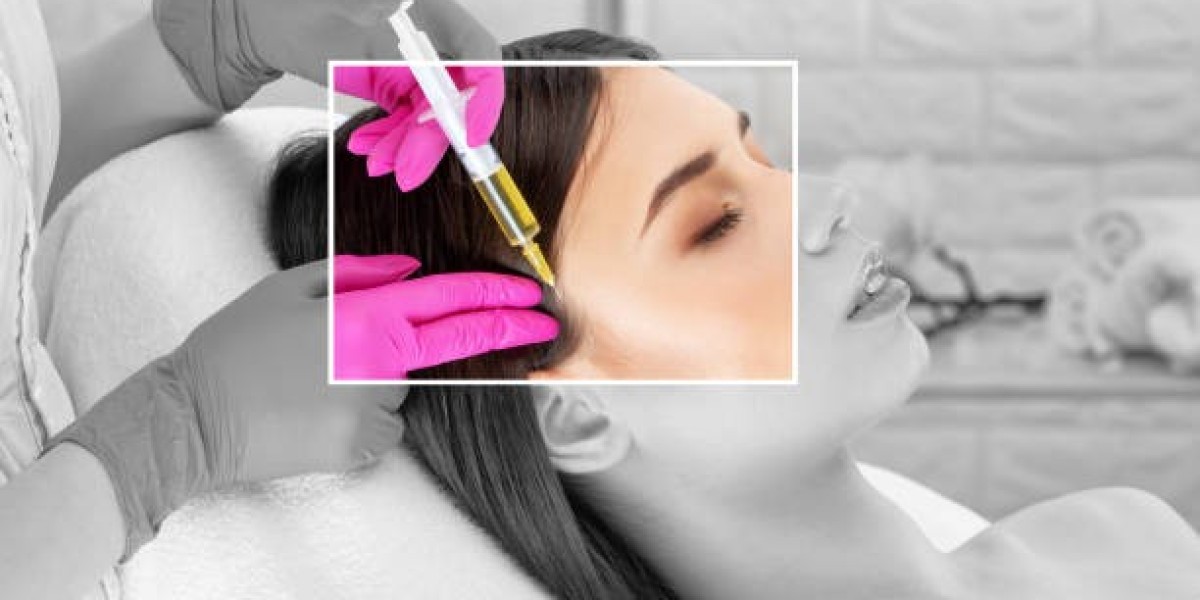
PRP therapy involves collecting a small sample of the patient's blood and processing it to concentrate platelets and growth factors. The resulting platelet-rich plasma is then applied or injected into selected areas of the scalp according to the treatment plan.
Platelets contain substances involved in tissue repair and cellular signaling. When introduced into areas experiencing hair thinning, these components may help create an environment that supports existing hair follicles. PRP does not involve transplanting new follicles, so it is generally considered a regenerative or supportive approach rather than a hair transplantation procedure.
How PRP May Support Hair Growth
Hair follicles naturally move through different growth phases. Factors affecting follicular activity can cause more hairs to enter resting or shedding phases, resulting in reduced density. PRP is being studied for its potential role in supporting follicular activity and prolonging the growth phase of the hair cycle.
The growth factors contained in platelets may influence cellular processes around hair follicles. However, individual responses vary, and PRP should not be considered a guaranteed solution for every type or cause of hair loss.
Why Women Consider PRP for Hair Thinning
One reason women explore PRP Hair Treatment in Riyadh is that it does not require surgical hair transplantation. The procedure uses the patient's own blood components and focuses on areas where hair density has decreased.
Women may consider PRP when they are experiencing early or moderate thinning and still have active hair follicles in the affected region. The suitability of the treatment depends on the cause and pattern of hair loss, the condition of the scalp, and the individual's overall circumstances.
PRP Hair Treatment in Saudi Arabia
Interest in PRP Hair Treatment in Saudi Arabia has increased alongside broader awareness of nonsurgical hair restoration techniques. Women researching treatment options may encounter different approaches, protocols, and recommendations depending on their individual hair concerns.
A professional assessment can help determine whether PRP is appropriate or whether another treatment or investigation would be more suitable. Hair thinning can sometimes indicate an underlying issue, making proper evaluation particularly important before beginning any procedure.
What Happens During PRP Hair Treatment?
The treatment generally begins with a consultation and assessment of the scalp and hair pattern. A small blood sample is collected and processed to separate the platelet-rich portion from other blood components.
The concentrated plasma is then introduced into targeted areas of the scalp. Depending on the individual's treatment plan, the process may focus on areas such as the crown, parting line, or other regions showing reduced density.
The procedure itself is typically performed as an outpatient treatment. Some patients may experience temporary tenderness, redness, swelling, or sensitivity around the treated areas. These effects generally vary between individuals.
Who May Be Suitable for PRP?
PRP may be considered for women whose hair follicles are still present but producing thinner or weaker hairs. It can be particularly relevant when the goal is to support existing hair rather than replace completely absent follicles.
However, suitability cannot be determined from hair thinning alone. A healthcare professional may consider the pattern of hair loss, duration of symptoms, scalp condition, medical history, medications, hormonal factors, and possible nutritional or systemic causes.
Factors That Can Affect Treatment Results
Results from PRP Hair Treatment in Riyadh can differ significantly between individuals. The cause and severity of hair thinning are important factors, as are age, general health, follicle condition, and consistency with the recommended treatment plan.
Hair growth is naturally slow, so improvements are not usually immediate. New growth and changes in hair density may take time to become noticeable. Some individuals may observe gradual improvements in thickness or reduced shedding, while others may experience more limited changes.
It is also important to recognize that PRP cannot necessarily reverse every form of hair loss. Expectations should therefore be based on a professional assessment rather than promotional claims.
Preparing for PRP Hair Treatment
Preparation requirements may vary depending on the provider and the patient's circumstances. During a consultation, women may be asked about medications, supplements, medical conditions, previous hair treatments, and the history of their hair loss.
A detailed discussion can also help identify whether additional testing may be useful. For example, if thinning appears to be related to hormonal changes, nutritional deficiencies, or another underlying concern, addressing that issue may be an important part of overall hair management.
Recovery After PRP Treatment
Because PRP is a nonsurgical procedure, recovery is generally different from that associated with surgical hair restoration. Temporary scalp sensitivity, mild swelling, or redness can occur after treatment.
Patients should follow the specific aftercare instructions provided by their healthcare professional. Recommendations may involve scalp care, hair-washing practices, physical activity, or the use of particular hair products during the immediate recovery period.
Following professional instructions can help minimize irritation and support appropriate healing after treatment.
Maintaining Realistic Expectations
Women considering PRP Hair Treatment in Riyadh should understand that the objective is generally to support hair growth and improve the condition of existing follicles rather than produce instant transformation.
Hair growth occurs gradually, and treatment response may become apparent over an extended period. Some people may require a series of sessions or maintenance treatments depending on their individual response and professional recommendations.
Photographs taken under consistent conditions can sometimes help track gradual changes more accurately than relying solely on day-to-day observations.
Choosing a Professional Hair Restoration Approach
Selecting an appropriate treatment involves more than choosing a procedure. Women should consider whether the healthcare professional provides a proper assessment, explains the possible benefits and limitations, discusses alternative approaches, and establishes realistic expectations.
A consultation should also provide an opportunity to discuss concerns about hair loss and understand why a particular treatment may or may not be suitable. This approach is especially important because female hair thinning can have many different causes.
PRP Hair Treatment and Overall Hair Health
PRP can be considered as one part of a broader approach to hair health. Healthy nutrition, appropriate scalp care, management of contributing medical conditions, and suitable hair-care practices may all be relevant depending on the individual's circumstances.
Women experiencing persistent or unexplained hair loss should consider professional evaluation rather than relying exclusively on cosmetic treatments. Identifying the cause can help guide a more appropriate and individualized management strategy.
Frequently Asked Questions
Is PRP Hair Treatment Suitable for Women With Hair Thinning?
PRP may be suitable for some women with thinning hair, particularly when viable hair follicles remain in the affected areas. A professional assessment is necessary to determine whether the treatment matches the underlying cause of hair loss.
How Does PRP Hair Treatment in Riyadh Work?
PRP Hair Treatment in Riyadh involves collecting a small blood sample, processing it to concentrate platelets and growth factors, and introducing the prepared plasma into selected areas of the scalp. The aim is to support the activity and condition of existing hair follicles.
How Long Does It Take to See PRP Hair Treatment Results?
Hair grows gradually, so changes are not normally immediate. The timeline can vary according to the individual, the cause of hair thinning, follicle condition, and the treatment plan. A healthcare professional can provide more individualized expectations.
Is PRP Hair Treatment in Saudi Arabia a Surgical Procedure?
No. PRP Hair Treatment in Saudi Arabia is generally considered a nonsurgical treatment because it does not involve transplanting hair follicles or making the incisions associated with surgical hair restoration.
Can PRP Stop Female Hair Loss Permanently?
PRP should not be described as a permanent cure for every form of female hair loss. Its potential benefits depend on the underlying cause and the individual's response. Continuing assessment and appropriate hair-care management may be necessary.
How Is PRP Different From Hair Transplantation?
PRP focuses on supporting existing hair follicles through concentrated platelet-rich plasma, while hair transplantation involves surgically moving hair follicles from one area of the scalp to another. The appropriate option depends on the individual's pattern and extent of hair loss.
Conclusion
Female hair thinning can have numerous causes, and understanding those causes is an important first step toward selecting an appropriate treatment. PRP Hair Treatment in Riyadh offers a nonsurgical approach that uses concentrated components of the patient's own blood to support existing hair follicles. Although results vary and should not be guaranteed, PRP may be considered by women seeking a modern approach to managing certain forms of hair thinning.
For women researching PRP Hair Treatment in Saudi Arabia, a professional consultation can provide a clearer understanding of suitability, expected outcomes, treatment planning, and alternative options. Discussing individual concerns with a qualified professional can help ensure that treatment decisions are based on realistic expectations and the specific characteristics of the hair and scalp. Enfield Royal Clinic Saudi can be considered as part of the information-gathering process when exploring available hair restoration care.