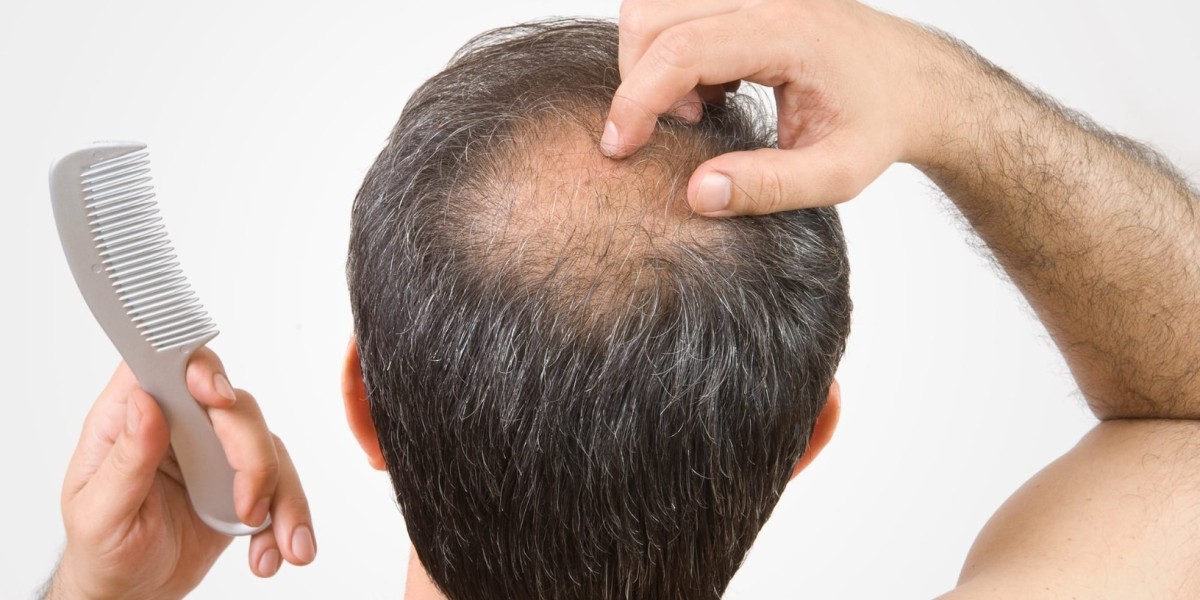

Seeing more hair on your pillow, in the shower, or on your comb can be worrying. In Gurgaon, many working people face this problem because of long work hours, stress, pollution, and irregular eating habits. Some lose hair slowly over the years. Others suddenly notice a thin patch or a higher forehead.
The good news is that hair loss can be treated, and the right treatment depends on the cause. This blog explains why hair falls, what treatment options are available, and how to know if you need a transplant.
Common Reasons for Hair Fall
Family history. If your parents or grandparents had thinning hair, you may have it too.
Stress and poor sleep. Too much tension can push hair into a shedding phase.
Low nutrients. Low iron, vitamin D, vitamin B12, or protein can weaken hair.
Health and hormone problems. Thyroid issues, PCOS, and changes after delivery often cause hair fall.
Scalp problems. Dandruff, itching, or infections can damage hair roots.
Crash diets and strong medicines. These can also lead to sudden hair loss.
It is normal to lose 50 to 100 hairs a day. If you lose much more, or if your scalp looks thinner, it is time to see a doctor.
Why a Proper Check-Up Comes First
Many people try oils, shampoos, and social media tips for months before seeing a doctor. Sometimes this wastes valuable time, because hair that is still alive can be saved only if treatment starts early.
A good check-up includes looking at your scalp, checking the hair pattern, asking about your health and lifestyle, and sometimes doing blood tests. Only then can the doctor decide the right plan. If you are looking for Hair Loss Treatment in Gurgaon, choose a clinic that finds the cause first instead of selling the same product to everyone.
Treatment Options for Hair Loss
Depending on your case, the doctor may suggest:
Medicines. Tablets or lotions that slow hair fall and help weak hair grow thicker.
Nutrition support. Supplements and diet changes if tests show low vitamins or iron.
PRP therapy. A treatment that uses your own blood plasma to help strengthen hair roots.
Treating the root problem. For example, managing thyroid levels or scalp infection.
Hair transplant. A surgical option when hair roots are permanently lost.
Medicines and PRP work best in the early stage. They can reduce hair fall and improve thickness, but they cannot bring back roots that have completely died. In such cases, surgery may be the better choice.
When Should You Consider a Hair Transplant?
A transplant may help if you have a bald patch, a receding hairline, or advanced thinning that has not improved with medicines. You are more likely to be a good candidate if:
Your hair loss has become stable
You have enough healthy hair at the back and sides of your head
You are in good health
You expect natural improvement, not a "magic" result
If you are thinking about Hair Transplant in Gurgaon, remember that this is a one-time decision. The doctor's planning, hairline design, and experience matter a lot. A poor result is difficult to correct later.
What Is FUE Hair Transplant?
FUE stands for Follicular Unit Extraction. In this method, the doctor takes healthy hair roots one by one from the donor area, usually the back of the head. These roots are then placed in the thin or bald area.
Many patients prefer FUE Hair Transplant in Gurgaon because:
It does not leave a long cut or a line scar
The tiny marks heal well and are hard to notice
Recovery is usually quick
The results look natural when the work is done carefully
The procedure is done under local anaesthesia, so you do not feel pain during the surgery. It can take several hours depending on the number of grafts, and you can usually go home the same day.
What Happens After the Transplant?
Hair growth takes time, so patience is needed. A rough timeline looks like this:
First few days: Mild swelling and small scabs.
After 2 weeks: Scabs fall off and the scalp looks clean.
After 3 to 4 weeks: The new hair may shed. This is normal and not a failure.
After 3 to 4 months: New hair starts to grow.
After 8 to 12 months: You can see the full, thicker result.
Follow your doctor's advice carefully. Avoid scratching your scalp, stay away from smoking and alcohol for some time, and use only the medicines and shampoo the doctor suggests.
How to Choose the Right Clinic
Check the doctor's qualifications and experience
Ask to see real before-and-after photos
Make sure the doctor is personally involved in planning and the procedure
Ask clearly about the method, number of grafts, and total cost
Be careful of clinics that promise 100% results or offer very cheap packages
Do not rush. Compare your options and ask all your doubts
Care and Guidance at Citrine Clinic
At Citrine Clinic, patients are guided by Dr. Niti Gaur, who first understands the reason for your hair loss before suggesting any treatment. Not every patient needs surgery. Some do well with medicines or PRP, while others need a transplant. You get honest advice based on your hair, your health, and your goals.
Final Words
Hair loss is common, and there is no need to feel shy about it. The earlier you find the cause, the more options you have. Whether you need simple medicines or a transplant, the right doctor makes the biggest difference.
If you are worried about hair fall, visit Citrine Clinic to learn more about the treatments and book an appointment with Dr. Niti Gaur.