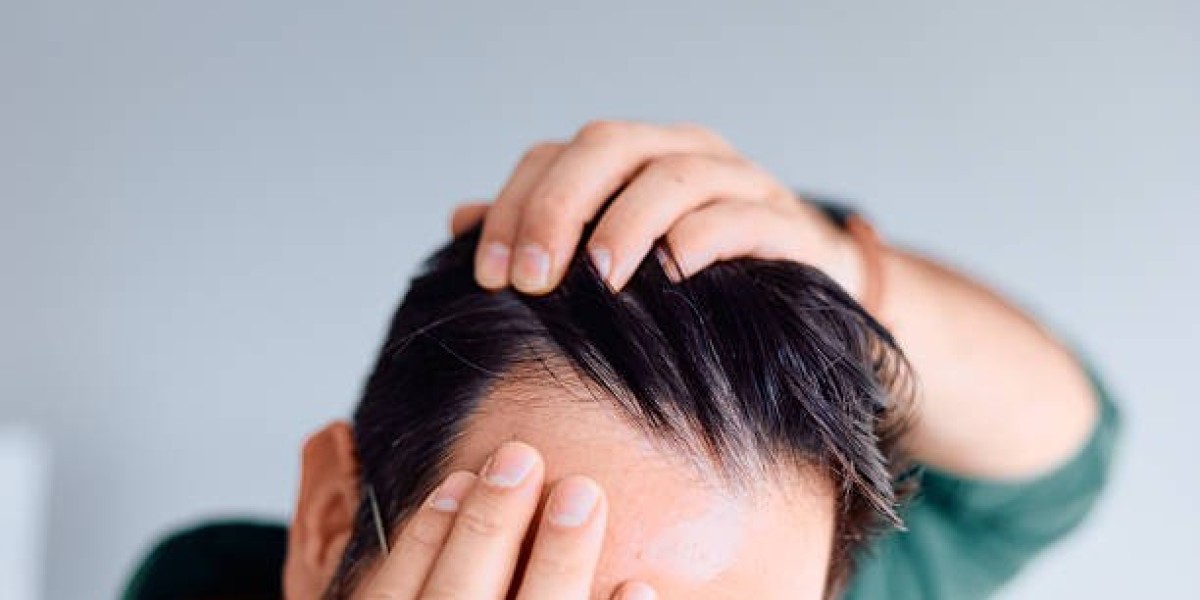

A receding hairline is one of the most noticeable signs of hair thinning, particularly when changes develop gradually around the temples and forehead. While a changing hairline can have several causes, early evaluation may help identify whether the follicles in the affected area are still active. For people considering PRP Hair Treatment in Riyadh, understanding how platelet-rich plasma may support existing follicles can help set realistic expectations about treating a receding hairline.
What Causes a Receding Hairline?
A receding hairline occurs when hair density decreases along the front or sides of the scalp. In many cases, hereditary or pattern hair loss plays an important role, although other factors can contribute to changes in the hairline.
Genetics and Pattern Hair Loss
Genetic factors can influence how susceptible hair follicles are to hormonal signals associated with pattern hair loss. Over time, affected follicles may gradually produce finer and shorter strands.
Other Possible Factors
Hormonal changes, nutritional deficiencies, certain medical conditions, scalp problems, stress, and some medications can also contribute to increased shedding or thinning. Identifying the underlying cause is important before selecting a treatment.
How PRP May Help a Receding Hairline
PRP, or platelet-rich plasma, is prepared from a small sample of the patient's own blood. The sample is processed to concentrate platelets, and the resulting plasma is injected into selected areas of the scalp.
Supporting Existing Follicles
Platelets contain growth factors and other biologically active substances that may influence cellular signaling and tissue-repair processes. PRP is intended to support existing viable follicles rather than create entirely new ones.
Focusing on Thinning Areas
When the hairline is thinning but follicles remain present, a provider may consider targeted PRP injections as part of an individualized treatment plan. The specific areas treated depend on the patient's hair-loss pattern.
Can PRP Restore a Completely Receded Hairline?
PRP should not be viewed as a way to recreate follicles that have been permanently lost. Its potential role is primarily to support follicles that remain capable of producing hair.
Viable Follicles Are Important
A professional scalp assessment can help determine whether thinning areas contain follicles that may still respond to treatment. Early-stage thinning may be different from an area where hair follicles have been permanently lost.
Expectations Matter
PRP may potentially improve the appearance of existing thinning hair, but it cannot guarantee that a previously receded hairline will return to its original shape. Results vary from person to person.
Who May Consider PRP for a Receding Hairline?
PRP may be discussed with individuals who are experiencing early or moderate thinning around the temples or frontal scalp. However, treatment suitability requires individual evaluation.
Early Hairline Changes
People who notice gradual thinning, finer hairs, or increased visibility of the scalp around the hairline may benefit from discussing the issue with a qualified provider.
Ongoing Hair Loss
If the hairline continues to recede, identifying the underlying cause is particularly important. PRP may be considered alongside other approaches when appropriate.
What Happens During PRP Treatment?
A typical session begins with an assessment of the scalp and hairline. A small blood sample is collected and processed before the prepared PRP is administered through small injections.
Preparing the PRP
The blood sample is processed to separate the platelet-rich plasma from other blood components. The resulting preparation is then used for the targeted scalp treatment.
Treating the Hairline
The provider carefully identifies areas of reduced density and administers PRP through multiple small injection points. The treatment pattern can vary according to the patient's needs.
What Is Recovery Like?
PRP usually involves limited downtime, although temporary tenderness, redness, sensitivity, or mild swelling may occur around the injection sites.
The First Few Days
Your scalp may feel sensitive after treatment. Following professional instructions regarding washing, exercise, hair products, and scalp care can support a comfortable recovery.
Returning to Normal Activities
Many people can resume their usual routine relatively quickly, but the timing depends on individual recovery and the recommendations provided by the healthcare professional.
When Can You Expect Results?
Hair follicles follow a natural growth cycle, so PRP does not produce an immediate change in the hairline. If a person responds to treatment, potential improvements generally develop gradually.
Gradual Hair Changes
The appearance of increased density or stronger-looking hair may take time to become noticeable. Individual results can vary considerably.
Monitoring Progress
Follow-up appointments and consistent photographs can help track changes in the hairline. Your provider can use these observations to assess your response and discuss future treatment.
How Many PRP Sessions Are Needed?
There is no single session schedule that applies to everyone. Some treatment plans involve a series of sessions, followed by monitoring or maintenance depending on the patient's response.
Individualized Treatment Planning
The number and timing of sessions may depend on the extent of thinning, follicle condition, treatment goals, and response to previous sessions.
Combining Treatment Approaches
Depending on the cause of hair loss, a provider may discuss PRP alongside other evidence-based approaches. Combining treatments should be based on professional assessment rather than self-directed treatment.
What Factors Affect PRP Results?
The potential response to PRP can be influenced by several factors, including the cause of hair loss, the degree of thinning, follicle condition, overall health, and individual biological response.
Cause and Stage of Hair Loss
PRP may be more relevant for certain forms of hair thinning than others. Early evaluation can provide useful information about the condition of the affected follicles.
Consistency and Follow-Up
Following the recommended treatment plan and attending follow-up appointments can help your provider monitor your progress and make appropriate adjustments.
When Should You Seek Professional Advice?
A receding hairline can progress gradually, making early changes easy to overlook. If you notice persistent thinning around the temples or forehead, a professional assessment can help determine the likely cause and available treatment options.
Evaluate Before Choosing Treatment
Rather than assuming that every receding hairline requires the same procedure, discuss your symptoms and hair history with a qualified healthcare professional.
Set Realistic Goals
Understanding what PRP can and cannot accomplish is essential. If you are considering PRP Hair Treatment in Riyadh, a consultation can help determine whether your existing follicles may be suitable for PRP and what outcomes may reasonably be expected.
Book an Appointment
If you are concerned about a receding hairline or gradual thinning, book a consultation with Royal Clinic Saudia. A professional scalp assessment can help you understand the cause of your hair changes and explore an appropriate treatment plan.
FAQs:
Can PRP help a receding hairline?
PRP may support existing viable follicles in areas affected by certain types of hair thinning. Its effectiveness varies, and it cannot guarantee restoration of a completely receded hairline.
Can PRP regrow hair at the temples?
PRP may potentially support follicles around the temples when viable follicles are still present. A professional assessment is needed to determine whether the area is suitable for treatment.
Is PRP effective for a completely bald hairline?
PRP is generally intended to support existing follicles rather than create new ones. Areas with permanent follicle loss may require other hair-restoration approaches.
How long does it take to see results from PRP for a receding hairline?
Potential changes develop gradually because hair follicles follow natural growth cycles. Your provider can explain the expected timeline based on your individual condition and treatment plan.