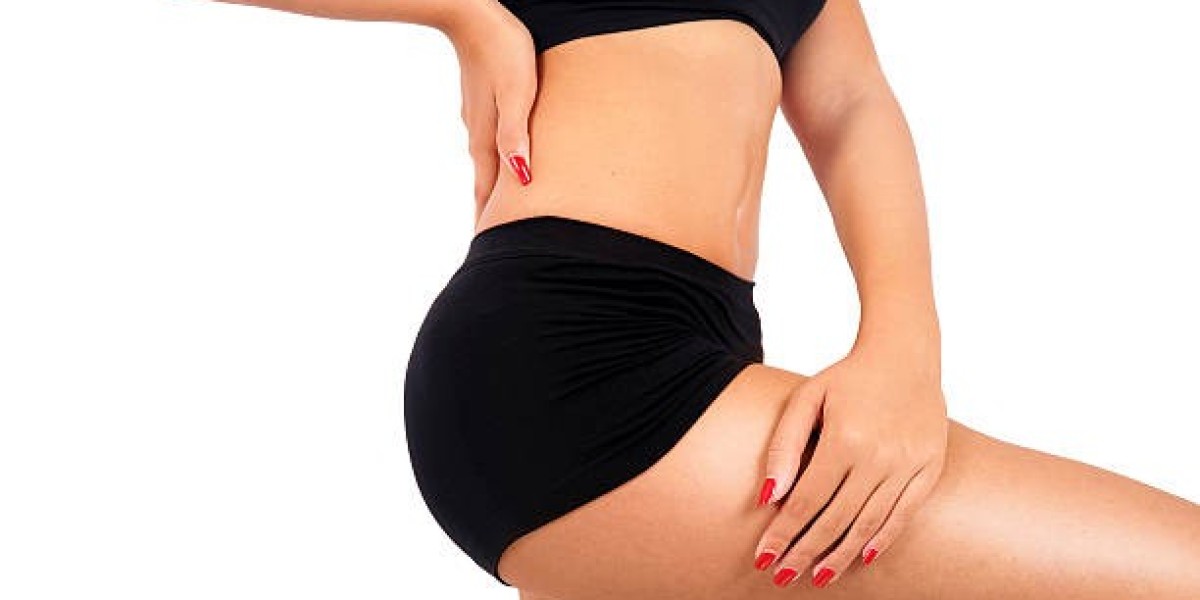

Pregnancy can bring lasting changes to the abdomen, including stretched skin, stubborn tissue, and weakened abdominal muscles. Even after returning to a stable weight, some changes may remain despite healthy eating and regular exercise. Tummy tuck surgery in Riyadh (عملية شد البطن في الرياض) may help address selected concerns after pregnancy by removing excess abdominal skin and, when appropriate, repairing weakened or separated abdominal muscles.
How Does Pregnancy Change the Abdomen?
During pregnancy, the abdominal area expands to accommodate the growing baby. This stretching can affect the skin, connective tissues, and abdominal muscles. After delivery, some tissues gradually recover, while others may remain stretched or separated.
Loose Skin After Pregnancy
The skin may not completely return to its pre-pregnancy tightness, particularly after significant abdominal stretching or multiple pregnancies. Excess skin can sometimes form a fold across the lower abdomen and may remain even when a person reaches a stable weight.
Abdominal Muscle Separation
Pregnancy can cause the abdominal muscles to move apart as the abdomen expands. This is commonly known as diastasis recti. When significant muscle laxity or separation is present, a tummy tuck may include surgical repair as part of the overall procedure.
What Can a Tummy Tuck Address After Pregnancy?
A tummy tuck is primarily a body-contouring procedure designed to address excess abdominal skin and certain forms of abdominal wall laxity. Depending on the individual's condition, it may improve the appearance of loose skin, create a smoother abdominal contour, and repair selected muscle separation.
Excess Skin and Abdominal Contour
During surgery, the surgeon removes an appropriate amount of excess skin and repositions the remaining tissue. This can create a smoother and firmer-looking abdominal profile.
Muscle Laxity
When abdominal muscles have become separated or weakened, surgical tightening may be incorporated into the procedure. The specific technique depends on the location and extent of the muscle changes.
When Should You Consider a Tummy Tuck After Pregnancy?
Timing is an important consideration. Many surgeons recommend waiting until the body has had adequate time to recover from pregnancy and childbirth and the individual's weight has stabilized. It is also generally preferable to consider surgery when future pregnancies are not immediately planned.
Why Stable Weight Matters
Weight can naturally fluctuate during and after pregnancy. Reaching and maintaining a relatively stable weight before surgery can make it easier for the surgeon to assess the abdominal tissues and develop an appropriate treatment plan.
What About Future Pregnancies?
A future pregnancy can stretch the abdominal skin and muscles again and may alter the results of a previous tummy tuck. Anyone considering another pregnancy should discuss family-planning plans with a qualified surgeon before deciding on surgery.
Are You a Good Candidate?
Suitability depends on more than having loose skin after pregnancy. A qualified surgeon may consider your general health, abdominal anatomy, skin quality, muscle condition, weight stability, previous surgeries, and expectations.
Health and Recovery
Good overall health is important for elective surgery and healing. During consultation, your medical history and any factors that could affect surgery or recovery should be reviewed.
Realistic Expectations
A tummy tuck can improve certain physical changes caused by pregnancy, but it does not recreate the body exactly as it looked before pregnancy. Scars remain part of the procedure, and natural aging and future body changes can affect the abdomen over time.
Full or Mini Tummy Tuck After Pregnancy?
The appropriate tummy tuck technique depends on the location and extent of the abdominal changes. A full tummy tuck can address a broader area of excess skin and muscle laxity, while a mini tummy tuck generally focuses on the lower abdomen.
Full Tummy Tuck
A full tummy tuck may be considered when loose skin extends above and below the belly button or when muscle laxity affects a larger portion of the abdominal wall. Belly button repositioning is commonly part of this approach.
Mini Tummy Tuck
A mini tummy tuck may be considered when concerns are mainly concentrated below the belly button. It typically involves a more limited treatment area and usually does not require repositioning the belly button.
What Is Recovery Like?
Recovery varies from person to person and depends on the extent of surgery performed. During the early period, swelling, tightness, and discomfort can occur. Gentle movement may be encouraged according to the surgeon's instructions, while strenuous activity and heavy lifting generally need to be restricted during healing.
Patients should follow their postoperative instructions carefully, attend follow-up appointments, and gradually return to normal activities according to their surgeon's guidance. The abdomen continues to change as swelling decreases and tissues settle.
What Results Can You Expect?
The initial appearance after surgery is not the final result. Swelling can temporarily obscure the abdominal contour, while scars may initially appear more noticeable. As healing progresses, the abdomen can develop a smoother and firmer appearance.
Tummy tuck surgery in Riyadh can provide long-lasting improvement when appropriately planned, but pregnancy, significant weight changes, aging, and other factors can alter the abdomen in the future.
How Can You Maintain Your Results?
Maintaining a stable weight and following a healthy lifestyle can help support the abdominal contour after recovery. Regular physical activity can also support overall fitness once your surgeon has cleared you to resume exercise.
If you are considering another pregnancy, discussing your plans with your surgeon is important because pregnancy can change the abdominal tissues again.
Why a Professional Consultation Matters
Every pregnancy affects the body differently, so an individualized assessment is essential. A qualified surgeon can evaluate excess skin, muscle separation, skin elasticity, abdominal structure, and previous procedures before recommending a treatment approach.
The consultation also provides an opportunity to discuss the incision, scar placement, recovery expectations, possible risks, and whether a full or mini tummy tuck may be appropriate.
Book an Appointment at Royal Clinic Saudia
If you are considering Tummy tuck surgery in Riyadh after pregnancy, Royal Clinic Saudia (عيادات رويال كلينك) can provide a professional consultation to evaluate your abdominal concerns and discuss suitable treatment options. Book an appointment to receive personalized guidance based on your individual needs and goals.
FAQs:
How long should I wait after pregnancy before having a tummy tuck?
The appropriate timing varies, but the body generally needs time to recover from pregnancy and childbirth and for weight to stabilize. Your surgeon can recommend suitable timing based on your individual circumstances.
Can a tummy tuck repair abdominal separation after pregnancy?
In selected patients, a tummy tuck can include repair of separated or weakened abdominal muscles. The need for muscle repair is determined during a professional assessment.
Can I have a tummy tuck if I plan to have another baby?
Future pregnancy can stretch the abdominal skin and muscles again and may change the surgical results. If another pregnancy is planned, discuss the timing and implications with a qualified surgeon.
Will a tummy tuck remove all pregnancy-related abdominal changes?
A tummy tuck can address certain concerns such as excess skin and selected abdominal muscle laxity, but it cannot eliminate every pregnancy-related change. Individual results depend on anatomy, skin quality, healing, and other factors.